
Smart Buying Made Simple: How Reviews, Comparisons, and Best-Of Lists Help You Choose Better
Why Reviews, Comparisons, and Best-Of Lists Matter
Modern shoppers have more choices than ever before. Whether you are buying a laptop, selecting accounting software, choosing a mattress, or comparing kitchen appliances, the volume of options can quickly become overwhelming. This is where reviews, comparisons, and best-of lists become essential. They organize information, reduce decision fatigue, and help buyers focus on what actually matters.
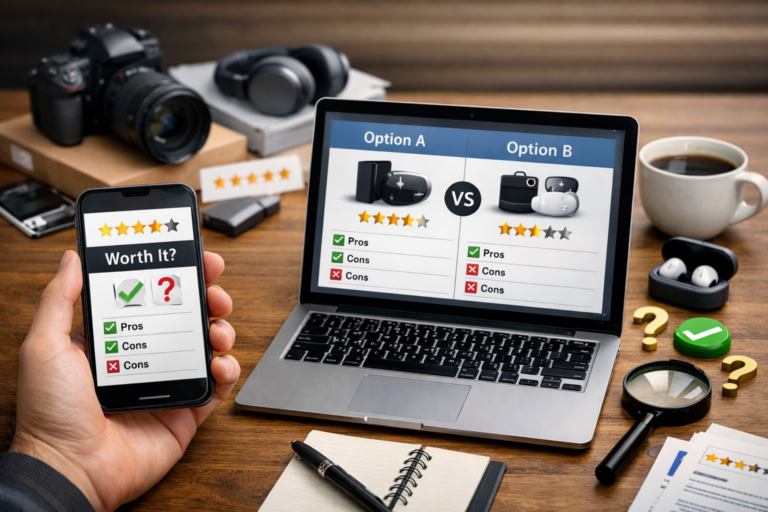
Each format serves a different purpose. Reviews provide detailed analysis of a single product or service. Comparisons place multiple options side by side to highlight differences in features, pricing, usability, and overall value. Best-of lists act as curated recommendations, often identifying top picks for specific needs, budgets, or user types. Together, these content types create a practical framework for smarter decision-making.
What Makes a Good Review?
A strong review does more than praise or criticize. It explains how a product performs in real-world use and gives readers enough context to decide whether it suits their needs. The best reviews are balanced, specific, and transparent about both strengths and weaknesses.
Key elements of a reliable review
-
Clear evaluation criteria: Performance, durability, design, support, ease of use, and price should all be considered where relevant.
-
Real use cases: Reviews are more useful when they describe how a product performs in everyday situations.
-
Pros and cons: No product is perfect, and honest drawbacks improve credibility.
-
Audience fit: A good review explains who the product is best for and who may want an alternative.
-
Updated information: Pricing, features, and software capabilities can change, so current details matter.
Readers should also pay attention to the reviewer’s testing process. A thoughtful review often explains how the item was evaluated, which adds trust and helps separate informed analysis from shallow opinion.
The Value of Side-by-Side Comparisons
Comparisons are ideal for buyers who have narrowed their choices to two or more options. Instead of reading long product pages or scattered customer feedback, a comparison presents the most important details in a structured way. This makes it easier to identify meaningful differences instead of getting distracted by marketing claims.
What comparisons typically reveal
-
Feature differences: One option may include premium tools, longer battery life, or stronger integrations.
-
Price versus value: A cheaper option is not always the best deal if it lacks essential functions.
-
Performance trade-offs: One product may be faster, while another offers better reliability or comfort.
-
User experience: Setup, learning curve, and interface quality can dramatically impact satisfaction.
-
Long-term ownership costs: Subscription fees, maintenance, accessories, and warranties should be considered.
Effective comparisons also account for different buyer priorities. For example, a freelancer may value affordability and simplicity, while a growing team may prioritize scalability and automation. A side-by-side comparison helps users choose based on their own goals rather than generic popularity.
Why Best-Of Lists Are So Popular
Best-of lists are popular because they save time. Instead of evaluating dozens of products individually, readers can scan a curated shortlist of top options. These lists are especially useful at the beginning of the buying journey, when a shopper wants a broad view of the market before diving deeper.
The strongest best-of lists do not simply rank products from one to ten without context. They explain why each item earned a place and often assign categories such as “Best Overall,” “Best Budget Pick,” “Best for Beginners,” or “Best Premium Choice.” This approach makes recommendations more practical and relevant.
Traits of a useful best-of list
-
Clear selection methodology: Readers should understand how products were chosen and evaluated.
-
Diverse recommendations: The list should include options for different budgets and needs.
-
Specific category winners: Category-based picks are more useful than vague rankings.
-
Concise summaries: Each recommendation should quickly explain key benefits and limitations.
-
Easy navigation: Readers should be able to skim and find relevant options fast.
How to Use All Three Together
The smartest buyers rarely rely on just one source of information. Instead, they use best-of lists to discover strong candidates, comparisons to narrow those candidates, and full reviews to validate the final choice. This layered research process improves confidence and reduces the chances of buyer’s remorse.
For example, someone shopping for a robot vacuum might begin with a best-of list to identify top-rated models. Next, they may read a comparison of the two most promising options to examine battery life, mapping features, suction, and app quality. Finally, they would consult in-depth reviews to understand noise levels, maintenance demands, and real cleaning performance over time.
Common Pitfalls to Avoid
While reviews and rankings are helpful, they are not all created equally. Some content is overly influenced by affiliate incentives, brand partnerships, or surface-level research. Buyers should stay alert and evaluate the quality of the source as carefully as the products being discussed.
Red flags to watch for
-
Overly generic language: Vague praise without evidence often signals weak analysis.
-
No drawbacks mentioned: If every product seems perfect, the content may lack honesty.
-
Outdated details: Expired pricing, old models, or discontinued features reduce usefulness.
-
Poor category fit: A “best” pick may not be best for your budget or use case.
-
Lack of transparency: Trustworthy sources explain testing, criteria, and recommendation logic.
What Readers Should Look for Before Making a Final Choice
Before committing to a purchase, readers should check whether the recommendation aligns with their priorities. A highly rated item may still be the wrong choice if it exceeds your budget, offers unnecessary complexity, or lacks one feature you truly need. Good buying decisions come from matching the product to the person, not simply choosing the top-ranked option.
It is also wise to look beyond star ratings. Read detailed comments, evaluate warranty terms, compare return policies, and consider ongoing costs. The best overall value often comes from a product that balances quality, usability, support, and price over time.
Conclusion
Reviews, comparisons, and best-of lists are more than content formats. They are decision-making tools that help buyers cut through noise and focus on quality, fit, and value. Reviews offer depth, comparisons provide clarity, and best-of lists deliver speed. When used together, they create a smarter path to better purchasing decisions.
In a crowded marketplace, informed choices matter. By understanding how each format works and what separates useful guidance from weak recommendations, readers can shop with greater confidence and choose products that genuinely meet their needs.