
Building a Safer Home Life: Practical Family Wellbeing Habits That Last
Why Safety and Wellbeing Start at Home
Parenting involves more than meeting daily needs—it also means creating an environment where children feel physically safe, emotionally supported, and prepared for the wider world. Safety and wellbeing are closely connected. A child who feels secure at home is more likely to develop confidence, healthy routines, and good decision-making skills.
Modern families face a wide range of concerns, from household hazards and online risks to emotional stress, sleep disruption, and busy schedules. The good news is that strong family wellbeing does not require perfection. It grows through consistent habits, thoughtful boundaries, and open communication.
Creating a Physically Safe Home
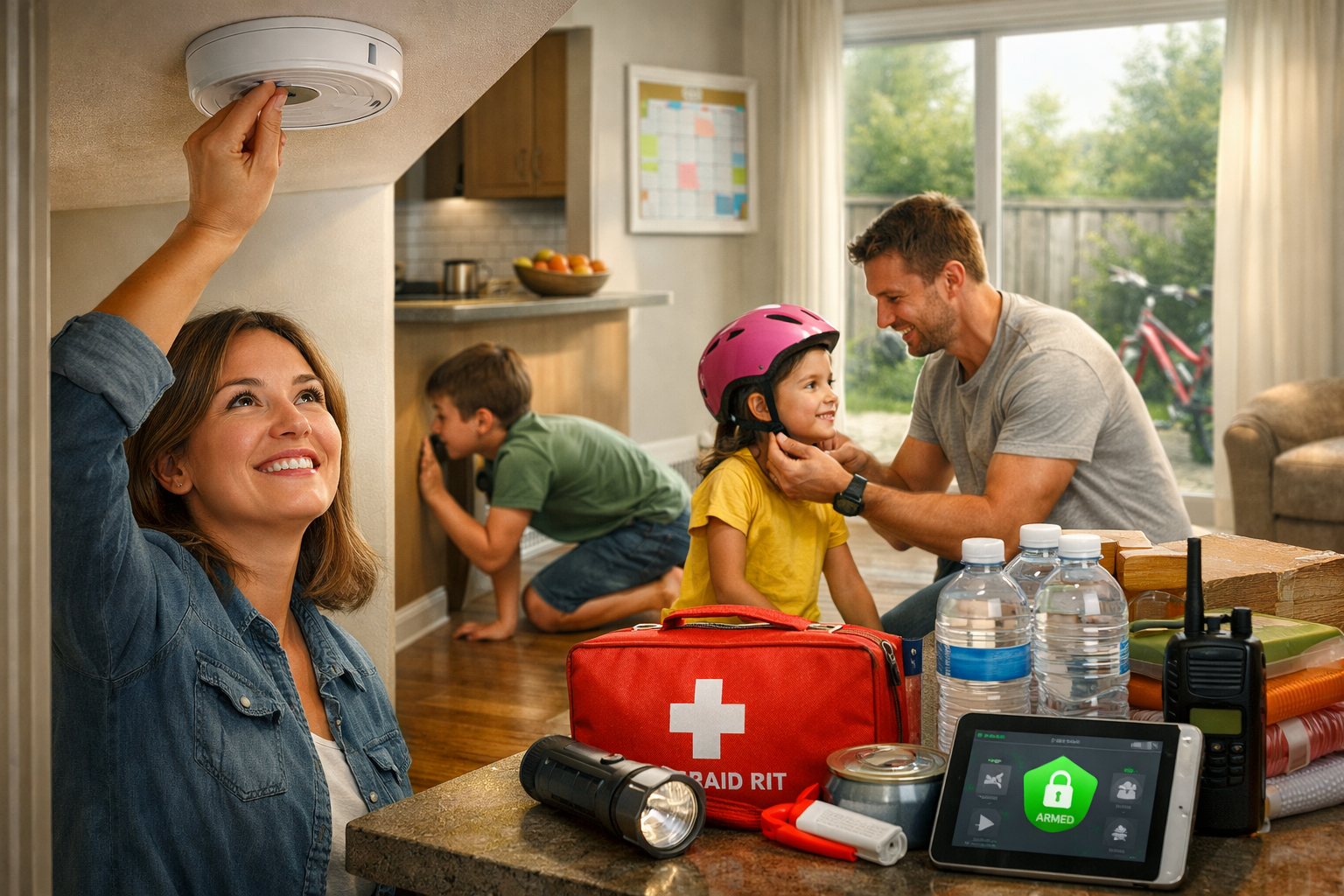
Home safety changes as children grow, so regular reviews are essential. Babies, toddlers, school-age children, and teens all interact with their surroundings differently. Parents can reduce preventable injuries by staying alert to age-specific risks and making simple adjustments.
Core home safety priorities include:
- Installing smoke alarms and testing them regularly
- Keeping medicines, cleaning products, and sharp objects locked away
- Using stair gates, window locks, and furniture anchors where needed
- Setting water heater temperatures to prevent burns
- Practicing fire escape plans with the whole family
- Teaching children basic emergency information, including how to call for help
It is also wise to keep a stocked first aid kit in an accessible place for adults but out of reach of young children. Emergency contacts, allergy information, and important medical details should be easy to find. These small preparations can make a major difference during stressful moments.
Supporting Emotional Safety
Safety is not only about avoiding accidents. Children also need emotional safety—the sense that they are heard, respected, and loved without fear of harsh judgment. In homes where communication is calm and consistent, children are more likely to share worries, ask questions, and seek help when something feels wrong.
Parents can strengthen emotional wellbeing by listening carefully, validating feelings, and responding with patience. This does not mean removing all limits. In fact, healthy boundaries help children feel secure because they understand what to expect.
Ways to build emotional safety at home:
- Use respectful language, even during conflict
- Encourage children to name and discuss their emotions
- Create regular one-to-one time with each child
- Set clear routines for meals, homework, and bedtime
- Model calm problem-solving and apology when mistakes happen
- Watch for changes in mood, sleep, appetite, or behavior
When children know they can talk openly, families are better able to address stress, bullying, friendship problems, and school pressures before they grow more serious.
Healthy Routines That Promote Wellbeing
Daily structure supports both safety and family wellbeing. Predictable routines help children regulate emotions, sleep better, and manage responsibilities. They also reduce chaos, which often contributes to accidents, arguments, and mental overload.
Start with the basics: balanced meals, regular movement, enough sleep, and time for rest. Even small routines—such as packing school bags the night before or having a quiet wind-down period in the evening—can reduce morning stress and improve the family atmosphere.
Important wellbeing habits for families:
- Prioritize age-appropriate sleep schedules
- Share meals together when possible
- Encourage outdoor play and physical activity
- Limit overscheduling to protect downtime
- Teach handwashing and everyday hygiene
- Make space for relaxation, reading, and conversation
Children thrive when they experience both activity and recovery. A family culture that values rest, connection, and healthy habits can improve focus, resilience, and overall health.
Digital Safety in Family Life
Technology is now part of everyday parenting, which makes digital safety an essential part of family wellbeing. Children need guidance not just on screen time, but also on privacy, online behavior, and how to respond to uncomfortable content or contact.
A balanced approach works best. Rather than relying only on restrictions, parents should teach children how to think critically and act safely online. This includes discussing what personal information should never be shared, why kindness matters in digital spaces, and how to leave a conversation that feels unsafe.
Digital safety tips for parents:
- Set age-appropriate screen time boundaries
- Keep devices in shared family spaces when possible
- Use parental controls as a support, not a substitute for conversation
- Teach children never to meet online contacts without adult approval
- Encourage them to report bullying, threats, or upsetting content immediately
- Review apps, games, and privacy settings together
When digital rules are explained clearly and reviewed often, children are more likely to cooperate and make safer choices independently.
Preparing Children for the World Beyond Home
Family safety also means helping children develop the skills to navigate school, public spaces, friendships, and community life. This preparation should be gradual and age-appropriate. Young children can learn to stay close in crowded places, while older children can practice safe travel habits, boundary-setting, and who to contact if plans change.
Parents can build confidence by role-playing common scenarios. For example, children can practice what to do if they get lost, feel pressured by peers, or need help from a trusted adult. These conversations should be calm and practical rather than fear-based.
Essential life skills to teach over time:
- Memorizing key contact details
- Recognizing trusted adults and safe places
- Understanding body boundaries and consent
- Using roads, transport, and public places safely
- Knowing when to say no and ask for help
- Identifying unsafe situations without panic
Children who practice these skills regularly tend to feel more capable and less overwhelmed when faced with real-world challenges.
When Parents Need Support Too
Family wellbeing depends on caregiver wellbeing as well. Parents under constant stress may find it harder to stay patient, organized, or emotionally available. Seeking support is not a weakness; it is a protective step for the whole family.
This support might include sharing responsibilities with a partner, asking relatives for help, connecting with other parents, or speaking with a health professional when concerns arise. If a child shows signs of ongoing anxiety, low mood, sleep problems, or behavior changes, early guidance can be valuable.
Conclusion
Safety and wellbeing in family life are built through steady, everyday actions. By creating a secure home, nurturing emotional trust, teaching practical skills, and maintaining healthy routines, parents can give children a strong foundation for life. The goal is not to eliminate every risk, but to raise children in an environment where they feel protected, supported, and ready to grow.