
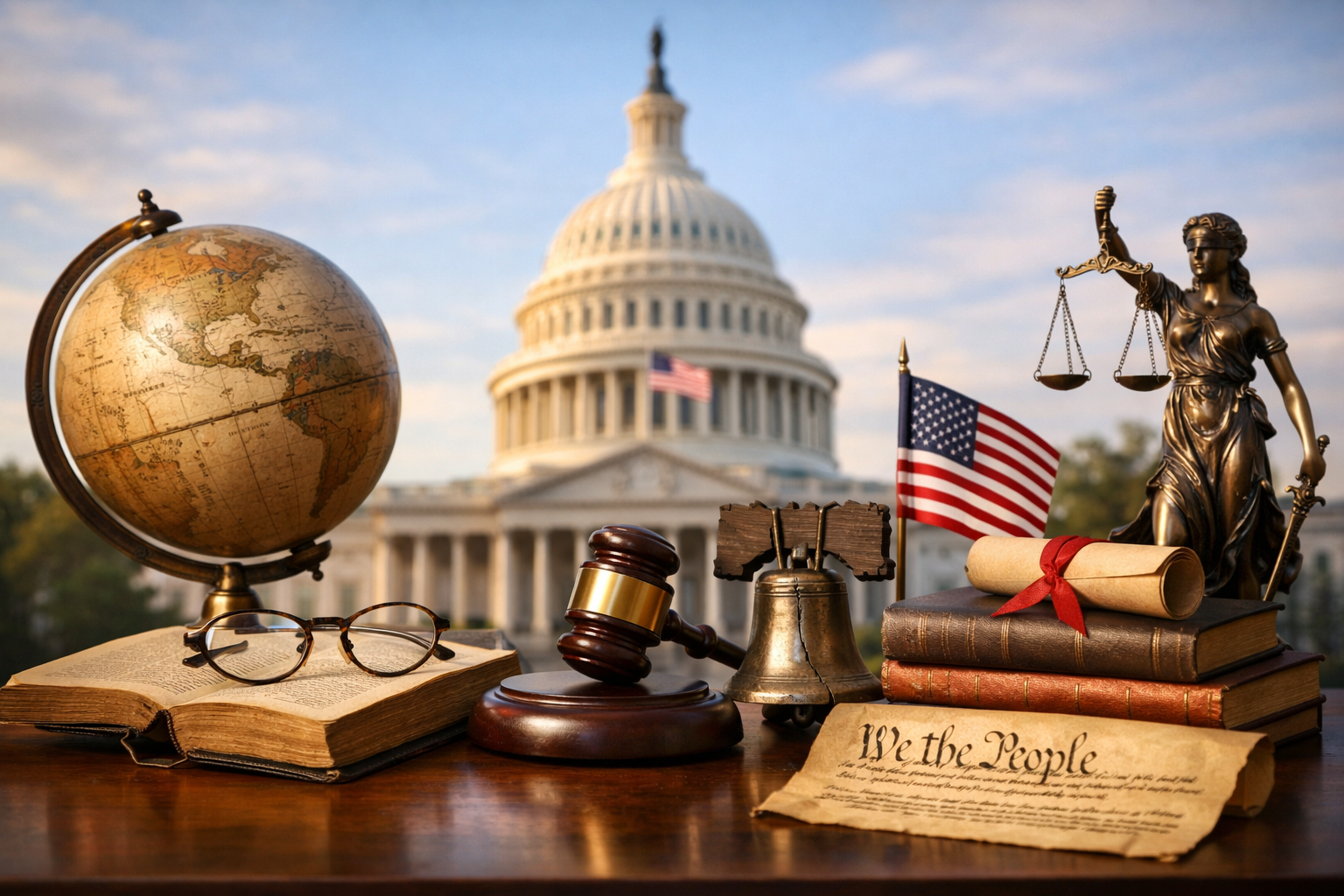
Why History and Civics Matter: Building Informed, Responsible Citizens
The Value of History and Civics in Education
Education is not only about gaining practical skills for work; it is also about understanding the world we live in and the responsibilities that come with being part of a community. In this respect, history and civics are two of the most important areas of learning. History examines the events, ideas, and people that shaped human societies over time, while civics focuses on how governments function, how laws are made, and what rights and duties citizens hold.
When studied together, these subjects give learners a deeper understanding of public life. History explains how societies arrived at their current systems and values, and civics shows how individuals can participate in shaping the future. This combination helps students become informed, thoughtful, and engaged members of society.
What History Teaches Beyond Dates and Facts
History is often misunderstood as the memorization of names, timelines, and major events. While factual knowledge is important, the true power of history lies in interpretation and analysis. Students learn to ask why events happened, how decisions were made, and what consequences followed. They examine different perspectives, compare sources, and recognize that the past is often complex rather than simple.
Through this process, learners develop critical thinking skills. They begin to understand cause and effect, continuity and change, and the influence of culture, economics, leadership, and conflict. For example, studying revolutions, social movements, or constitutional change can reveal how public demands, ideas, and institutions interact over time.
History also builds empathy. By learning about people from different places, classes, and periods, students can better appreciate experiences beyond their own. This does not mean romanticizing the past; rather, it involves confronting difficult truths, including war, inequality, discrimination, and injustice. Such study encourages maturity and moral reflection.
Key Lessons Students Gain from History
-
An understanding of how societies develop and change over time.
-
The ability to evaluate evidence and distinguish between reliable and unreliable sources.
-
Greater awareness of how past decisions continue to affect present-day life.
-
Empathy for people with different experiences, identities, and perspectives.
-
Stronger analytical and interpretive thinking skills.
Why Civics Education Is Essential
If history explains the path that led to the present, civics explains how public systems operate today. Civics education introduces students to the structure of government, the rule of law, elections, constitutions, public institutions, and the role of citizens in democratic life. It helps learners understand not only their rights but also their responsibilities.
In healthy societies, citizens are expected to do more than obey laws. They are encouraged to vote, stay informed, discuss public issues respectfully, hold leaders accountable, and contribute to community well-being. Civics gives students the knowledge needed to do these things effectively. Without civic understanding, people may struggle to evaluate policies, recognize misinformation, or participate meaningfully in public debate.
Civics is especially important in an age of rapid communication and digital media. Information now spreads quickly, but not all of it is accurate. A strong civics education teaches students how institutions function, how policy decisions are made, and how to assess claims about political events. This helps protect democratic culture from confusion, manipulation, and apathy.
Core Areas of Civics Learning
-
The structure and functions of local, regional, and national government.
-
The meaning of constitutional principles and the rule of law.
-
The rights, freedoms, and responsibilities of citizens.
-
How elections, representation, and public policy work.
-
Ways individuals and groups can participate in civic life.
The Strong Connection Between History and Civics
History and civics are most effective when taught as connected disciplines rather than isolated subjects. Many civic systems exist because of historical struggles, compromises, and reforms. Rights that may seem permanent today often had to be demanded, defended, and expanded over time. Understanding this process helps students see democracy as something active and evolving, not automatic.
For example, learning about the development of voting rights, labor protections, civil rights, or constitutional government allows students to recognize that public institutions are shaped by human choices. This knowledge encourages civic humility and participation. Learners begin to understand that the freedoms and structures they inherit can be strengthened or weakened depending on how citizens respond to challenges.
This connection also helps students relate the past to current issues. Debates about justice, equality, authority, representation, and national identity are not new. By comparing present concerns with historical examples, students can approach modern problems with greater perspective and less impulsiveness.
Skills That Support Lifelong Learning and Citizenship
One of the greatest strengths of history and civics education is that it prepares students for life beyond the classroom. These subjects support discussion, reading comprehension, argumentation, evidence-based reasoning, and ethical judgment. They also encourage active listening and respectful disagreement, which are essential in diverse societies.
Students who study history and civics learn to ask better questions. Who benefits from a law or policy? What evidence supports a claim? How do institutions respond to crisis? What can ordinary people do to create change? Such questions are useful in civic life, professional environments, and personal decision-making alike.
These fields also remind learners that citizenship is not passive. It involves awareness, participation, and accountability. Whether through voting, community service, advocacy, informed discussion, or local engagement, civic action becomes more meaningful when grounded in historical understanding.
Improving the Way These Subjects Are Taught
To make history and civics education more effective, schools should move beyond rote memorization and encourage inquiry-based learning. Students benefit when they analyze primary sources, debate public questions, examine case studies, and connect classroom topics to real-world events. Lessons should include multiple viewpoints and reflect both achievements and failures in national and global history.
Teachers can also strengthen engagement by showing how civic structures affect daily life. Local government, school policies, community organizations, and public services provide practical entry points for understanding civics. When students see that these subjects relate directly to their own lives, learning becomes more relevant and memorable.
Conclusion
History and civics are foundational to a complete education because they help students understand both where society has been and how it functions now. History offers perspective, evidence, and empathy, while civics provides the tools for participation, responsibility, and public understanding. Together, they prepare learners not just to pass exams, but to think carefully, act responsibly, and contribute meaningfully to the common good.