
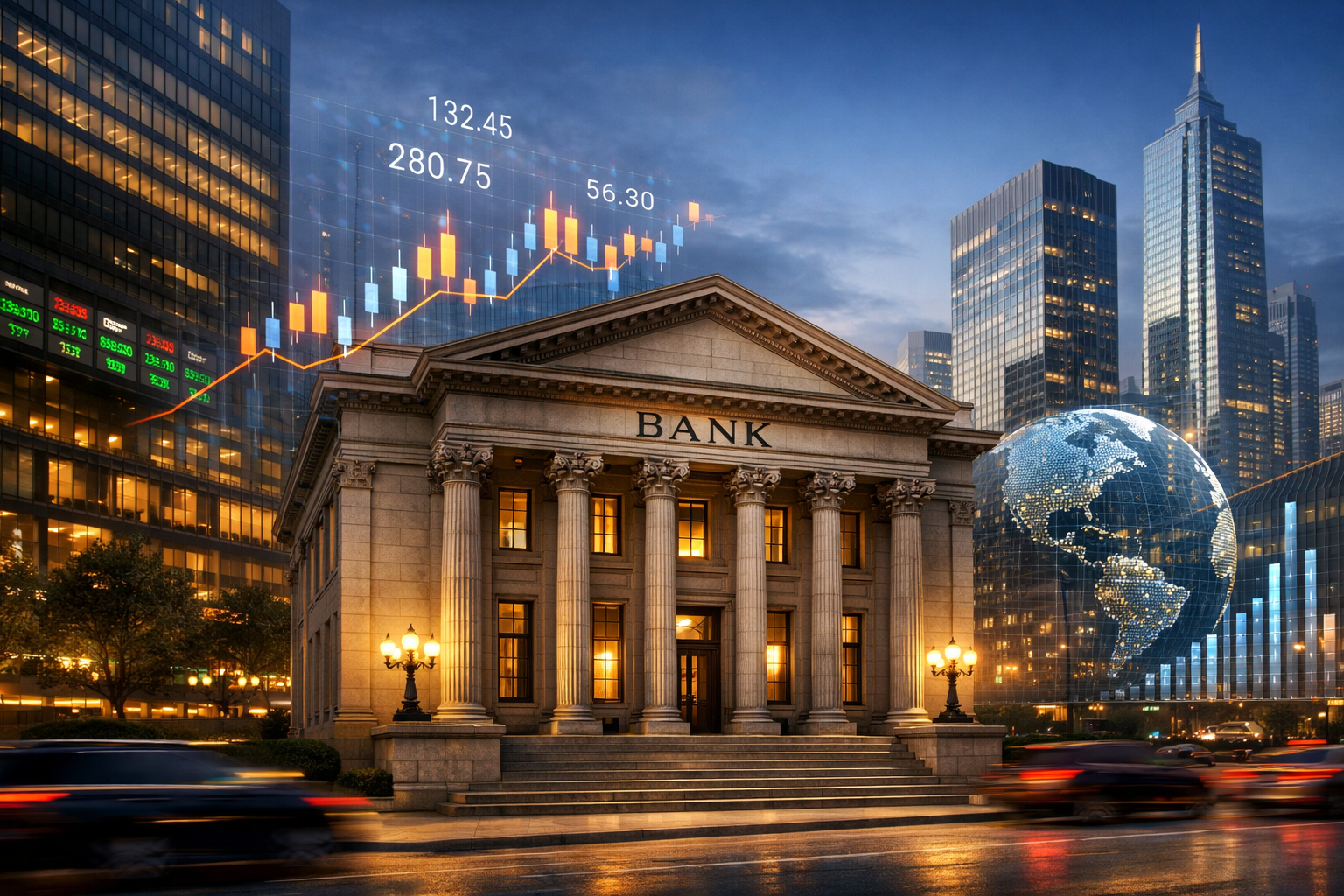
Banking at the Center of Modern Finance and Markets
The Role of Banking in Finance and Markets
Banking is one of the most influential pillars of the global financial system. Banks do far more than hold deposits and issue loans. They channel savings into productive investment, support the payments system, create credit, facilitate trade, and help households and companies manage cash flow. In financial markets, banks act as intermediaries, lenders, market makers, custodians, and advisors. Their decisions shape access to capital, borrowing costs, asset prices, and overall economic confidence.
At its core, banking connects two sides of the economy: those with excess funds and those in need of financing. Depositors seek safety, liquidity, and a modest return, while borrowers need capital to buy homes, expand businesses, invest in equipment, or fund public projects. By bridging these interests, banks help convert idle money into economic activity.
How Banks Make Money
The traditional banking model is based on net interest margin. Banks accept deposits at lower interest rates and lend money at higher rates, earning the spread between the two. They also generate income through fees, wealth management, foreign exchange services, underwriting, and transaction processing.
However, profitability depends on more than the gap between lending and deposit rates. Banks must carefully manage credit risk, liquidity risk, interest rate risk, and regulatory costs. In periods of rising rates, margins may improve, but loan demand can weaken and borrower stress may rise. In low-rate environments, lending can remain active, but margins often tighten.
Types of Banks and Their Market Functions
The banking industry includes several distinct institutions, each playing a specialized role in finance and markets.
- Commercial banks serve individuals and businesses through deposits, loans, credit cards, and payment services.
- Investment banks help corporations and governments raise capital through stock and bond issuance, mergers and acquisitions advice, and market-making activities.
- Central banks manage monetary policy, supervise financial stability, and often act as lenders of last resort.
- Retail banks focus on consumer banking, including savings accounts, mortgages, and personal loans.
- Private banks and wealth managers provide tailored financial services to high-net-worth individuals.
- Digital banks and fintech challengers offer app-based banking, lower operating costs, and more streamlined customer experiences.
Each category contributes differently to market efficiency. Commercial and retail banks support local lending and consumer demand, while investment banks play a central role in capital formation and securities markets. Central banks influence the cost of money and the availability of liquidity across the entire system.
Banking and Interest Rates
Interest rates are among the most important forces linking banking to financial markets. Central banks set benchmark policy rates to manage inflation, employment, and economic growth. These rates affect funding costs for banks, which in turn influence mortgage rates, business loans, credit card pricing, and bond yields.
When rates rise, banks may earn more on variable-rate loans and newly issued credit, but they can also face slower borrowing demand and losses on long-duration assets. When rates fall, credit expansion may become easier, stimulating investment and consumption, yet banks may struggle to maintain strong margins. Investors closely watch banking sector performance because it often signals broader economic conditions.
Why Yield Curves Matter
The shape of the yield curve is especially important for banks. A normal upward-sloping curve allows institutions to borrow short term and lend long term at a favorable spread. A flat or inverted yield curve can squeeze profitability and indicate economic stress. Because of this, banking shares often react sharply to changing bond market expectations.
Risk, Regulation, and Financial Stability
Banking is built on confidence. Depositors expect access to funds, borrowers expect credit availability, and markets expect institutions to remain solvent. This makes risk management essential. Banks must maintain capital buffers, monitor loan quality, diversify funding, and comply with strict regulations designed to reduce systemic fragility.
Following past financial crises, regulators strengthened rules on capital adequacy, stress testing, liquidity coverage, and resolution planning. These reforms aim to ensure banks can withstand shocks such as recessions, market selloffs, or sudden deposit withdrawals. Strong regulation can limit excessive risk-taking, though it can also increase compliance costs and reduce risk appetite in some lending segments.
Key risks banks face include:
- Credit risk: borrowers may fail to repay loans.
- Liquidity risk: banks may struggle to meet short-term obligations.
- Interest rate risk: changes in rates can affect earnings and asset values.
- Operational risk: internal failures, cyberattacks, or technology disruptions can cause losses.
- Market risk: movements in securities, currencies, and commodities can affect trading positions.
Digital Transformation in Banking
Technology is rapidly reshaping banking. Mobile platforms, real-time payments, artificial intelligence, cloud computing, and open banking frameworks are changing how financial services are delivered. Customers increasingly expect instant access, lower fees, personalized insights, and seamless digital experiences.
For banks, digital transformation offers major opportunities. Automation can reduce costs, data analytics can improve credit assessment, and digital channels can expand customer reach. At the same time, competition from fintech firms and non-bank platforms is pressuring traditional institutions to innovate faster. Cybersecurity, data privacy, and legacy system modernization have become strategic priorities across the sector.
Banking as an Economic Signal
The health of the banking sector often serves as a barometer for the broader economy. Strong loan growth can signal business expansion and consumer confidence. Rising loan defaults may point to financial stress. Deposit flows, capital ratios, and lending standards provide investors and policymakers with important clues about future growth and market resilience.
Bank earnings reports are therefore watched closely by equity and bond markets. They offer insight into credit demand, household balance sheets, commercial real estate exposure, and the direction of interest income. In many cases, banks are among the first major institutions to reveal whether the economy is strengthening, slowing, or entering a more uncertain phase.
The Future of Banking in Financial Markets
Banking will remain central to finance and markets, but its structure is evolving. Institutions are balancing traditional lending with digital innovation, tighter regulation, and changing customer expectations. Sustainable finance, embedded banking, tokenized assets, and cross-border digital payment systems may redefine how banks operate in the coming years.
Even as new technologies and competitors emerge, the basic purpose of banking remains unchanged: to allocate capital, manage risk, and support economic activity. For investors, businesses, and consumers alike, understanding banking is essential to understanding how modern finance works. Whether viewed through the lens of credit, liquidity, monetary policy, or innovation, banking continues to shape the flow of money and the direction of markets worldwide.