Smart Shopping Simplified: How Reviews and Comparisons Shape Better Buying Guides
Why Reviews, Comparisons, and Buying Guides Matter
Modern shoppers have more choices than ever before. Whether you are buying headphones, kitchen appliances, laptops, fitness gear, or software subscriptions, the number of available options can quickly become overwhelming. This is where reviews, comparisons, and buying guides become essential. They organize information, highlight strengths and weaknesses, and help consumers move from uncertainty to confidence.
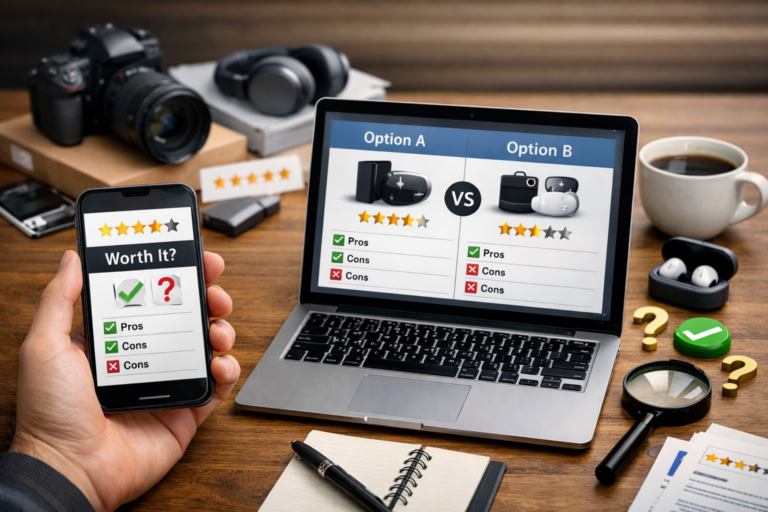
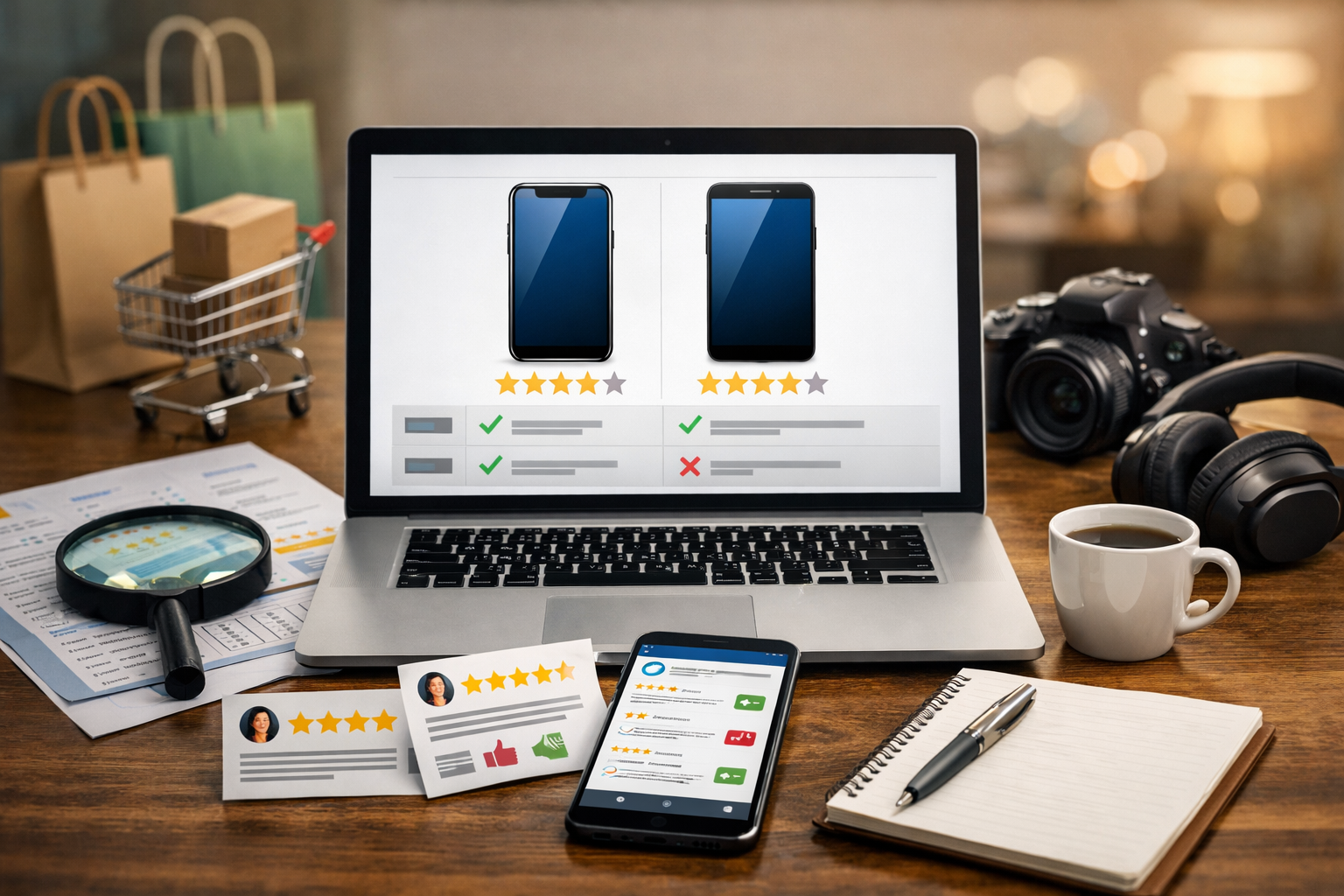
Reviews usually focus on real-world experience with a single product or service. Comparisons place two or more options side by side to reveal differences in features, price, quality, and usability. Buying guides take a broader view by explaining what buyers should look for before making a decision. Together, these formats create a practical framework for evaluating products beyond advertising claims.
What Makes a Review Useful?
A strong review goes beyond a simple star rating. It explains how a product performs in actual use, what type of buyer it suits, and where it falls short. The most useful reviews are specific, balanced, and transparent about testing methods or user experience.
Key qualities of a valuable review
- Clarity: It describes features and performance in language that is easy to understand.
- Balance: It includes both pros and cons instead of sounding like pure promotion.
- Context: It explains who the product is best for and in what situations it performs well.
- Evidence: It references hands-on use, measurable results, or long-term experience.
- Transparency: It clearly separates opinion from fact and discloses limitations where relevant.
Shoppers should be cautious of reviews that are overly vague, unrealistically positive, or focused only on specifications copied from a product page. A useful review helps answer practical questions such as durability, ease of setup, comfort, maintenance, and long-term value.
The Role of Product Comparisons
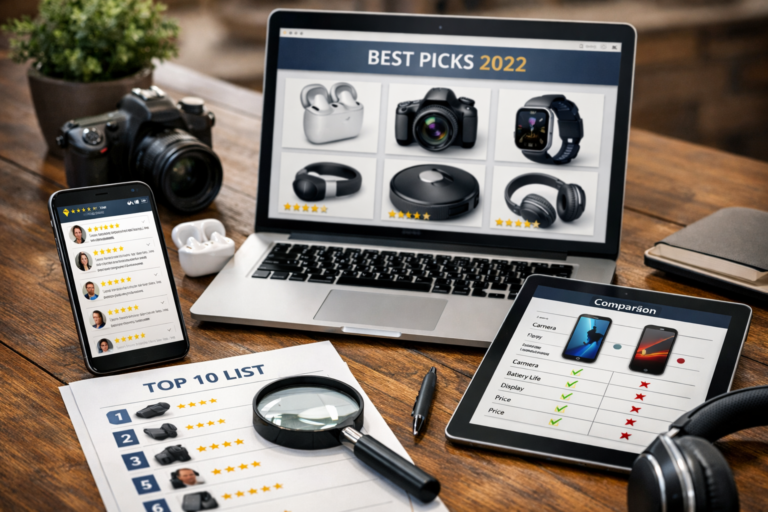
Comparisons are especially helpful when several products appear similar at first glance. A comparison article can reveal meaningful differences that are easy to miss, such as battery life, warranty terms, material quality, software support, or hidden ownership costs.
For example, two coffee makers may have the same price and similar features, but one may be easier to clean, faster to brew, and more reliable over time. Likewise, two smartphones may look nearly identical on paper, yet differ significantly in camera performance, update policies, and repairability.
What a good comparison should include
- Side-by-side features: Clear breakdowns of specifications and practical capabilities.
- Performance differences: How each option behaves in real use, not just on a spec sheet.
- Price-to-value analysis: Whether a higher price actually delivers meaningful advantages.
- Best-fit recommendations: Which product works best for beginners, enthusiasts, families, or professionals.
Comparisons are most powerful when they do not simply declare a single winner. In many cases, the best product depends on the buyer’s priorities. A budget option may be ideal for casual use, while a premium model may justify its cost for those who need advanced features.
How Buying Guides Help Consumers Decide
A buying guide is designed to educate before recommending. Instead of starting with a product list alone, it helps readers understand which factors matter most in a category. This is valuable because many purchases are not just about finding the most expensive or most popular option, but the most suitable one.
For instance, a laptop buying guide may explain processor types, battery expectations, screen sizes, port selection, and operating system trade-offs. A mattress buying guide might focus on firmness, sleeping position, material types, temperature regulation, and trial periods. By learning these criteria first, buyers are less likely to be influenced by flashy marketing.
Common elements in a strong buying guide
- Category overview: A simple explanation of the product type and its main use cases.
- Key decision factors: The features and qualities buyers should prioritize.
- Budget advice: Guidance on when to save and when spending more makes sense.
- Mistakes to avoid: Common traps, such as overpaying for features that are rarely used.
- Recommendation tiers: Suggestions for entry-level, mid-range, and premium buyers.
How to Read Reviews and Comparisons Critically
Even well-written content should be approached thoughtfully. Not every review is equally trustworthy, and not every comparison reflects your personal needs. Smart buyers use reviews and buying guides as decision tools, not as automatic answers.
Questions to ask while reading
- Does the article explain how the product was tested or evaluated?
- Are both strengths and weaknesses covered?
- Is the recommendation based on actual use or only manufacturer claims?
- Does the content consider different types of buyers?
- Are price, warranty, support, and long-term ownership discussed?
It is also wise to consult multiple sources. Expert reviews can provide depth and technical insight, while user feedback often highlights long-term reliability and everyday annoyances. Combining both perspectives gives a fuller picture of what to expect.
Why Personal Needs Should Always Come First
One of the biggest mistakes in shopping is chasing the “best” product without defining what best means for you. Reviews and comparisons are helpful only when matched to your lifestyle, budget, and priorities. A highly rated premium product may be unnecessary if a more affordable model already meets your needs. On the other hand, choosing the cheapest option may lead to frustration if performance, comfort, or durability matters more in the long run.
The best buying decisions happen when shoppers identify must-have features, nice-to-have extras, and clear deal-breakers. This approach turns reviews and comparisons into a filter, making the decision process more efficient and practical.
Final Thoughts
Reviews, comparisons, and buying guides are powerful tools for navigating crowded markets. They help consumers move beyond branding and hype by focusing on evidence, usability, and value. A well-crafted review reveals how a product performs, a smart comparison shows where options differ, and a useful buying guide teaches what matters before money is spent.
For shoppers, the goal is not simply to find the most talked-about product, but the one that fits real needs with the fewest compromises. By reading critically and prioritizing personal requirements, consumers can use these resources to make confident, informed purchases that stand up over time.