Mobile Technology in 2026: The Smarter, Faster Future in Your Pocket
The Expanding World of Mobile Technology
Mobile technology has become one of the most influential forces in modern life. What began as a simple way to make calls on the move has developed into a sophisticated digital environment that supports communication, work, entertainment, commerce, navigation, education, and health monitoring. Today’s smartphones are more than handheld devices; they are compact computing platforms with advanced sensors, high-speed internet access, intelligent software, and deep integration with cloud services.
The rapid progress of mobile technology has changed how people interact with the world. Whether ordering food, attending a video meeting, tracking fitness goals, or managing finances, users now rely on mobile devices as everyday essentials. This transformation has also reshaped industries, forcing businesses to prioritize mobile-first experiences and responsive digital services.
How Smartphones Became Powerful Personal Hubs
The modern smartphone combines several technologies into a single device. High-resolution touchscreens, powerful mobile processors, multi-lens cameras, biometric security, and long-lasting batteries have turned mobile phones into versatile personal hubs. In many regions, smartphones are the primary way people access the internet, making them central to digital inclusion and global connectivity.
Processing power is one of the biggest drivers of mobile innovation. Chips designed for mobile devices are now capable of handling gaming, augmented reality, advanced photography, and on-device artificial intelligence. This allows users to perform complex tasks without relying entirely on desktop computers. At the same time, mobile operating systems have become more refined, offering stronger security, better multitasking, and seamless synchronization across devices.
The Role of App Ecosystems
Applications are at the heart of the mobile experience. App stores have created vast digital marketplaces where users can find tools for nearly every need. Social media, messaging, banking, fitness, entertainment, travel, productivity, and e-commerce apps have become integral to daily routines.
This app-driven model has also opened the door for startups and developers to reach global audiences quickly. A well-designed mobile app can serve millions of users without the overhead of physical infrastructure, making mobile platforms a powerful engine for innovation and entrepreneurship.
Key Technologies Driving Mobile Progress
The mobile sector continues to advance because several technologies are improving at once. Hardware, software, connectivity, and AI are evolving together, creating a more capable and personalized user experience.
- 5G Connectivity: Faster speeds and lower latency support smoother streaming, cloud gaming, video conferencing, and real-time applications.
- Artificial Intelligence: AI enhances voice assistants, photography, predictive text, battery management, and personalized recommendations.
- Advanced Cameras: Computational photography enables better low-light images, portrait effects, image stabilization, and AI-powered editing.
- Biometric Security: Fingerprint scanners and facial recognition improve convenience while strengthening device security.
- Foldable Displays: Flexible screens are redefining form factors, offering users larger displays in more portable designs.
- Mobile Payments: Digital wallets and near-field communication have made smartphones central to contactless transactions.
Mobile Technology and Everyday Life
One of the most important aspects of mobile technology is its practical impact on daily living. Smartphones help users stay informed, connected, and productive from virtually anywhere. Mobile messaging and video calling have transformed personal communication, while collaboration apps make remote and hybrid work more efficient.
Navigation apps use GPS and real-time traffic data to guide travelers more accurately than traditional maps. Health and wellness apps track steps, heart rate, sleep, hydration, and exercise routines, turning phones and wearables into personal wellness companions. In education, mobile learning platforms provide access to lessons, language tools, and digital resources for students across age groups.
Mobile commerce has also grown rapidly. Consumers can browse products, compare prices, read reviews, and complete purchases in seconds. Businesses benefit from this convenience by reaching customers directly through apps, notifications, and mobile-optimized websites.
The Business Impact of Mobile Innovation
For companies, mobile technology is no longer optional. It is a core part of customer engagement, service delivery, and internal operations. Brands increasingly design products and digital experiences with mobile users in mind first, recognizing that attention spans are short and expectations are high.
Mobile tools also improve business efficiency. Sales teams use customer relationship management apps in the field, logistics companies track shipments in real time, and service workers access job updates through mobile platforms. In retail, mobile technology powers loyalty programs, digital coupons, and in-store experiences. In finance, banking apps provide secure access to transfers, investments, and budgeting tools.
This mobile-first shift has encouraged organizations to invest in responsive design, app development, cybersecurity, and user experience optimization. The companies that succeed are often those that make mobile interactions fast, simple, and reliable.
Challenges in the Mobile Landscape
Despite its many advantages, mobile technology also brings challenges. Security and privacy remain major concerns as smartphones store sensitive personal and financial data. Cyber threats such as phishing, malicious apps, and unsecured public Wi-Fi can expose users to risks if proper protections are not in place.
Battery life is another ongoing issue. Although hardware efficiency has improved, user expectations continue to rise as phones handle more demanding tasks. Device affordability also remains a concern, especially as premium smartphones become more expensive. In addition, electronic waste and short upgrade cycles raise sustainability questions for manufacturers and consumers alike.
There is also the issue of digital well-being. Constant notifications, screen time, and app dependency can affect attention, sleep, and mental health. As a result, many mobile platforms now include tools to monitor usage, reduce distractions, and encourage healthier digital habits.
What the Future of Mobile Technology Looks Like
The future of mobile technology points toward even greater intelligence, immersion, and connectivity. AI will likely play a larger role in making devices more context-aware, helping smartphones anticipate needs, summarize information, improve accessibility, and automate routine tasks. Mobile devices may increasingly act as personal digital assistants that understand habits, preferences, and schedules in more meaningful ways.
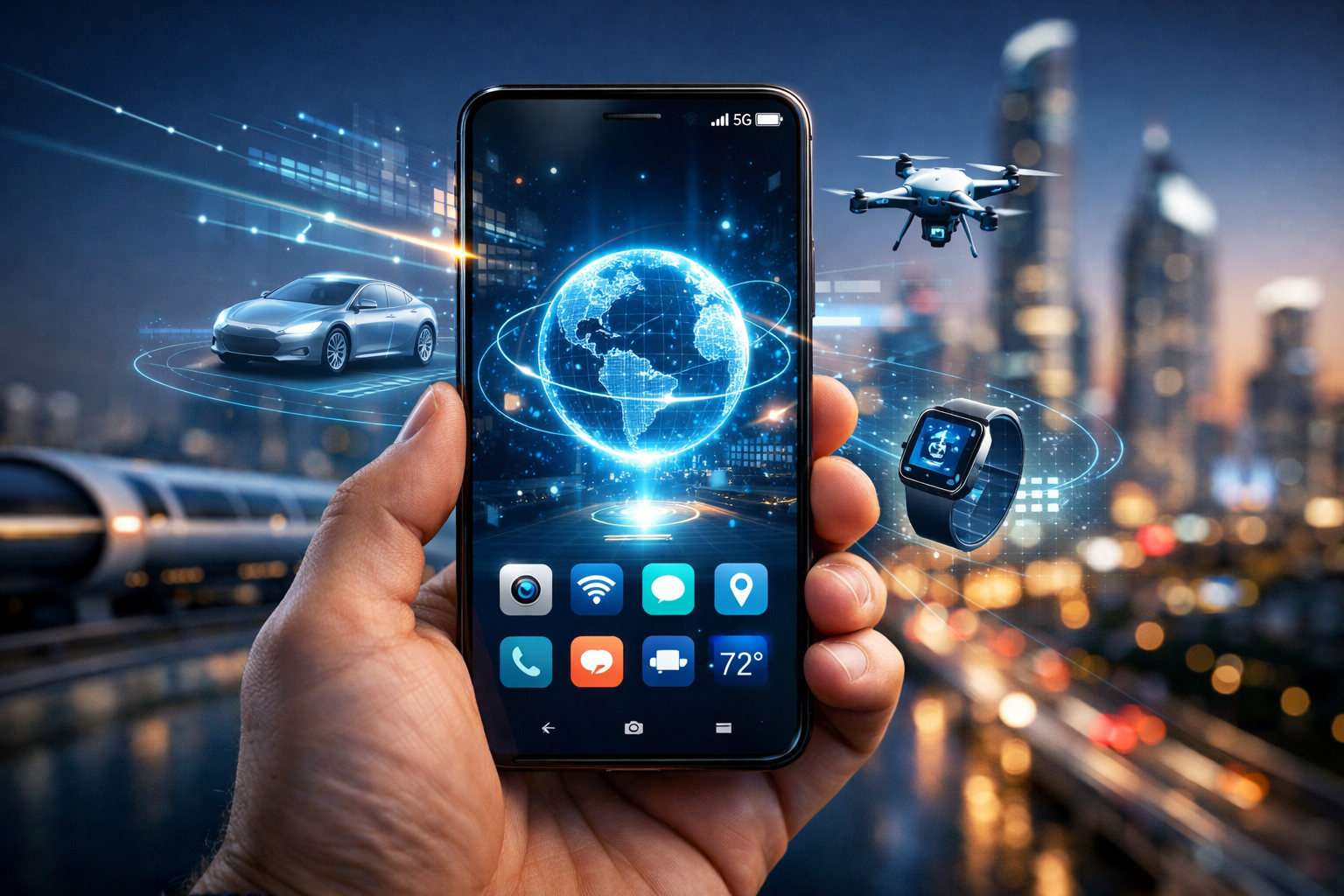
Wearables, smart glasses, and connected home systems will continue to expand the mobile ecosystem beyond the smartphone itself. Instead of one device doing everything, users may rely on a network of connected tools that share data seamlessly. Improvements in battery technology, sustainable materials, and repairability may also shape the next generation of mobile hardware.
As mobile networks become faster and more reliable, cloud-based experiences, immersive applications, and real-time collaboration will become more common. The line between mobile computing and traditional computing will continue to blur, giving users more power and flexibility wherever they are.
Conclusion
Mobile technology has become a defining feature of contemporary life. It connects people, powers businesses, expands access to information, and supports a growing range of personal and professional activities. As innovation continues, mobile devices will remain at the center of digital transformation, shaping how society communicates, works, learns, shops, and creates. The future of technology is not just mobile-friendly; it is increasingly mobile-first.