Digital Dead Man’s Switch: What It Is and Why People Are Talking About It
Most people are used to thinking about backups, passwords, and online security while they are alive and actively managing their accounts. But there is another question that is becoming harder to ignore: what happens to important digital information if someone suddenly becomes unavailable?
That is where the idea of a digital dead man’s switch comes in.
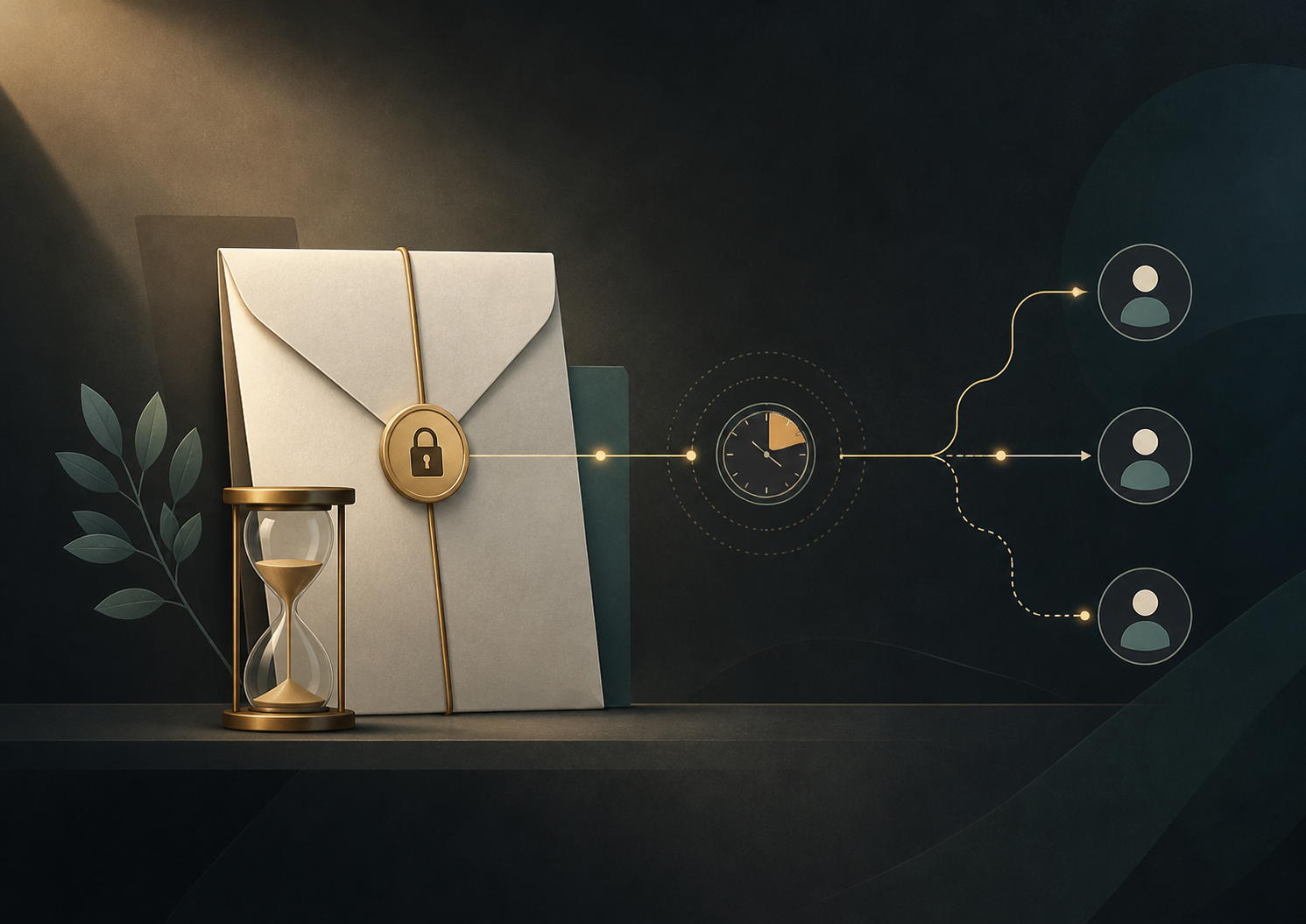
The phrase may sound dramatic, but the concept is simple. A digital dead man’s switch is a system that releases pre-written information, instructions, files, or alerts if the owner stops checking in after a certain period of time. It is a modern version of an old safety idea: as long as the person is present and responsive, nothing happens. If they disappear, become incapacitated, or pass away, the system takes action.
In a world where so much of our life is digital, this concept is becoming more relevant.
What Is a Digital Dead Man’s Switch?
A digital dead man’s switch is usually built around three basic parts:
- A check-in system
- A waiting or grace period
- A delivery action
The owner sets up the switch and chooses how often they must confirm they are okay. That check-in might happen weekly, monthly, or on another schedule. If the person checks in on time, the switch resets.
If they miss a check-in, the system usually sends reminders. These reminders are important because people forget things. Someone might be traveling, sick, busy, or simply away from email for a few days. A good system should not immediately release sensitive information after one missed check-in.
Only after the owner misses the required check-ins and the grace period ends does the switch activate. At that point, it may send messages, share files, notify trusted contacts, or release instructions that were prepared in advance.
Why Would Someone Use One?
The most common reason is digital legacy planning.
Today, many people have important information that exists only in digital form. This can include password manager access, crypto wallet recovery instructions, business documents, domain accounts, cloud storage, personal notes, family photos, legal files, or instructions for handling online accounts.
If nobody else knows where that information is or how to access it, it can be lost forever.
A digital dead man’s switch can help prevent that. It gives someone a way to prepare instructions while still keeping them private unless they are truly needed.
For example, someone might use one to tell a family member where important documents are stored. A business owner might use one to send emergency access instructions to a partner. A cryptocurrency holder might use one to explain how heirs can locate recovery information without exposing it while they are alive.
The value is not only in the release of information. It is also in the control. The owner decides what is shared, who receives it, and under what conditions.
Common Use Cases
One major use case is family preparedness. Many families do not know how to access important accounts, insurance documents, website logins, device passcodes, or financial records if something unexpected happens. A digital dead man’s switch can provide a structured way to leave instructions without having to share everything immediately.
Another use case is business continuity. Small business owners, developers, founders, freelancers, and website operators often hold critical access to domains, hosting accounts, source code, payment systems, vendor accounts, or client records. If one person controls everything and suddenly becomes unreachable, the business can suffer quickly. A dead man’s switch can help trusted people take action in an emergency.
It is also useful for digital asset recovery. This is especially important for people who own cryptocurrency, private keys, encrypted drives, or other assets that cannot be recovered through normal customer support. If access information is lost, the asset may be gone permanently.
Some people may also use this kind of system for personal messages. These could be final letters, private notes, or instructions meant for specific people. This is less about technical recovery and more about emotional or personal closure.
How It Differs From a Will
A digital dead man’s switch is not the same as a legal will.
A will is a formal legal document that explains how assets should be handled after death. A digital dead man’s switch is more of a technical or practical tool. It can deliver information, but it does not replace legal estate planning.
That distinction matters.
For example, a dead man’s switch may tell a trusted person where to find account information or how to access certain files. But it should not be treated as the only document for transferring ownership of property, money, or business interests. For serious legal or financial matters, it should work alongside proper estate planning, not replace it.
A better way to think of it is this: a will says what should happen, while a digital dead man’s switch can help people find the information needed to carry it out.
Privacy and Security Concerns
Because a digital dead man’s switch may involve sensitive information, security is extremely important.
The biggest mistake would be storing raw passwords, private keys, or sensitive documents in a careless way. If the system is hacked, poorly protected, or misconfigured, private information could be exposed before it is needed.
A safer approach is to avoid placing everything directly inside one message. Instead, the switch can provide instructions that point trusted people to secure locations. For example, it might explain where a sealed document is stored, which lawyer to contact, which password manager emergency access feature to use, or which physical backup device contains the necessary files.
Encryption is also important. Sensitive files should be encrypted when stored, and access should be limited to the right people. Users should also choose recipients carefully. Not everyone needs access to everything. A family member, business partner, lawyer, or technical contact may each need different instructions.
Another issue is false activation. A person may miss check-ins because of travel, illness, email problems, or a simple mistake. That is why reminders, multiple notification channels, and a reasonable grace period matter. A digital dead man’s switch should be designed to avoid panic or accidental release.
What Should You Put in a Digital Dead Man’s Switch?
The exact content depends on the person’s life, work, and responsibilities. However, the best information is usually practical rather than overly detailed.
Useful items may include:
- Where important documents are stored
- Who to contact in an emergency
- Instructions for accessing a password manager
- Domain, hosting, or business account guidance
- Information about encrypted backups
- Notes about digital assets
- Instructions for closing or memorializing online accounts
- Personal messages for specific people
It is usually better not to dump every password or secret directly into the system. The goal is to guide trusted people safely, not create a single point of failure.
Who Should Receive the Information?
Choosing recipients is one of the most important decisions.
A person might trust a spouse with family documents, a business partner with company instructions, and a technical friend with server or crypto-related guidance. These should not always be the same person.
The best setup is often divided. Each recipient receives only what they need. This reduces risk and avoids overwhelming people with irrelevant or sensitive information.
For example, a family member may need to know where personal files are stored, but not how to access a business server. A business partner may need operational instructions, but not private family messages.
Why This Concept Matters More Now
A few decades ago, many important records were physical. Papers were kept in drawers, banks had local branches, and family members could often find what they needed by going through documents at home.
Today, things are different.
Important parts of life may be hidden behind passwords, two-factor authentication, encrypted storage, cloud accounts, private keys, and email logins. Even family members may not know what accounts exist, let alone how to access them.
This creates a real problem. A person may be organized while alive, but if their knowledge is not shared in a controlled way, their digital life can become impossible for others to manage.
A digital dead man’s switch is one possible answer to that problem. It gives people a way to prepare without giving up privacy immediately.
A Practical Tool, Not a Morbid Idea
Although the name sounds uncomfortable, the purpose is not dark. It is about responsibility, planning, and reducing confusion for the people left behind.
Just as people create wills, buy insurance, write emergency contacts, or organize important documents, a digital dead man’s switch is another form of preparation. It recognizes that modern life includes digital assets, online accounts, and private information that may not be visible to anyone else.
Used carefully, it can protect families, support business continuity, and prevent important information from being lost.
Final Thoughts
A digital dead man’s switch is a simple but powerful idea: prepare important information now, keep it private while you are active, and release it only if you become unreachable.
It is not something everyone will need in the same way. For some people, a basic emergency document may be enough. For others, especially those with businesses, digital assets, websites, crypto holdings, or complex online accounts, it can be a valuable part of a broader digital legacy plan.
The main lesson is clear: digital information needs planning too. Passwords, files, accounts, and instructions should not disappear just because one person is no longer there to explain them.