
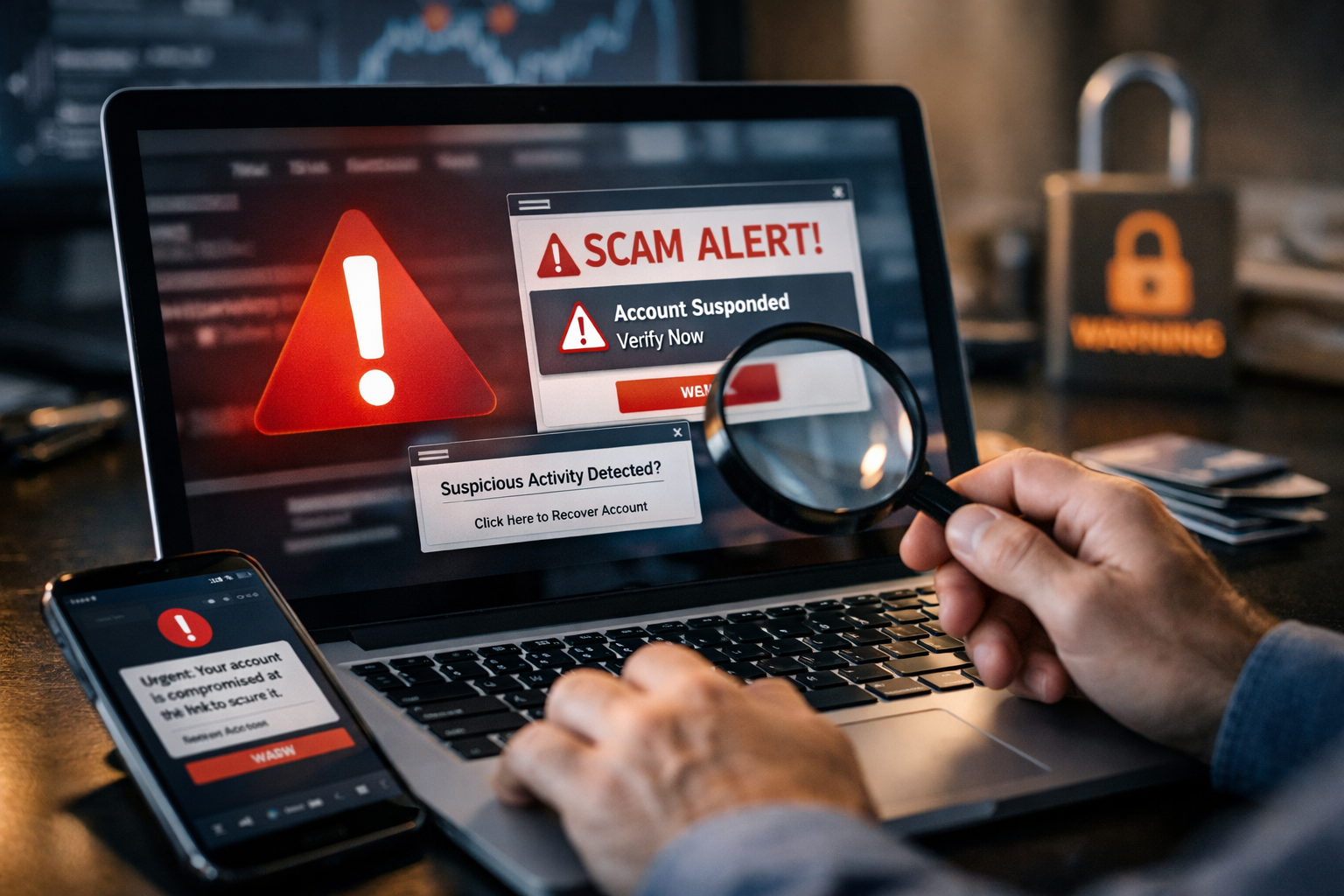
Scam Alerts: How to Spot Fraud Early and Stay One Step Ahead
Why Scam Alerts Matter
Scams are no longer limited to suspicious phone calls or obvious fake emails. Today, fraud attempts arrive through text messages, social media, shopping sites, dating apps, job listings, QR codes, and even convincing voice or video impersonations. Scam alerts play a critical role in security, safety, and preparedness because they help individuals identify threats early, understand how fraudsters operate, and take action before damage spreads.
At their core, scam alerts are warnings about current or emerging fraud tactics. They may come from banks, government agencies, consumer protection groups, cybersecurity firms, or local community organizations. Staying informed about these alerts can reduce the risk of identity theft, financial loss, account compromise, and emotional stress. Preparedness starts with awareness, and awareness starts with knowing what to watch for.
Common Types of Scams to Watch For
Phishing and Smishing
Phishing scams usually arrive by email, while smishing scams are sent by text message. Both are designed to trick people into clicking malicious links, downloading harmful attachments, or entering passwords, banking details, or one-time authentication codes. These messages often create urgency by claiming there is a problem with an account, delivery, refund, or bill.
Impersonation Scams
In impersonation scams, criminals pretend to be trusted figures such as bank employees, police officers, tax officials, technical support agents, or company executives. The goal is to pressure the target into sending money, sharing confidential data, or granting remote access to a device. Increasingly, scammers also use spoofed phone numbers and AI-generated voices to appear legitimate.
Online Shopping and Marketplace Fraud
Fake online stores, counterfeit listings, and fraudulent sellers often advertise highly discounted products to lure buyers. Victims may pay for goods that never arrive, receive low-quality substitutes, or unknowingly expose card details on insecure websites. Marketplace scams can also target sellers by sending fake payment confirmations or overpayment requests.
Romance, Investment, and Job Scams
These scams rely heavily on trust and emotion. Romance scams build false relationships to extract money. Investment scams promise quick returns with little risk, often involving cryptocurrency or exclusive opportunities. Job scams may offer fake remote work, ask applicants to pay fees upfront, or request personal documents before any legitimate hiring process has occurred.
Red Flags That Should Trigger Caution
Most scams share a familiar pattern. They create urgency, exploit fear or excitement, and push people to act without verification. Recognizing these warning signs can prevent a costly mistake.
- Unexpected messages asking for immediate action
- Requests for passwords, PINs, or verification codes
- Pressure to keep the matter secret
- Payment requests through gift cards, wire transfers, or cryptocurrency
- Poor grammar, strange formatting, or suspicious links
- Deals that seem too good to be true
- Unverified callers claiming authority or emergency
- Requests to move a conversation off a trusted platform
Even polished scams can include subtle inconsistencies. A small spelling error in a website address, a strange return email, or a demand that bypasses normal procedures may be the clue that prevents fraud.
How to Respond to a Scam Alert
Pause Before Acting
The first and most effective response is to slow down. Scammers depend on rushed decisions. If a message claims your bank account is locked, a package is delayed, or a relative needs urgent help, pause and verify independently.
Verify Through Trusted Channels
Do not use the phone number, email link, or website included in a suspicious message. Instead, contact the organization using its official website, app, or customer service number from a verified source. If the alert concerns a family member, reach out directly using a known number.
Do Not Share Sensitive Information
Legitimate organizations generally do not ask for full passwords, security codes, or payment through unusual methods. If someone asks for this information unexpectedly, treat it as a major warning sign.
Report and Block
Reporting scam attempts helps protect others and gives institutions useful intelligence. Report phishing emails to your provider, notify your bank if financial information was exposed, and submit complaints to consumer protection or cybercrime reporting channels in your region. After reporting, block the sender or caller when appropriate.
Preparedness Steps That Improve Everyday Safety
Scam prevention is not a one-time task. It should be part of a broader safety routine that strengthens personal and household security.
- Use strong, unique passwords for each account
- Enable multi-factor authentication wherever possible
- Keep phones, computers, browsers, and apps updated
- Review bank and credit card activity regularly
- Limit how much personal information is shared publicly online
- Use credit monitoring or fraud alerts if available
- Teach family members, especially children and older adults, about current scam tactics
- Create a plan for what to do if an account is compromised
Preparedness also includes discussing scams openly. Many victims feel embarrassed and delay reporting, which gives criminals more time to exploit stolen information. A culture of awareness makes families, workplaces, and communities more resilient.
What to Do If You Have Already Been Targeted
If you clicked a suspicious link, shared personal information, or sent money to a scammer, act quickly. Change passwords for affected accounts, especially if the same password was reused elsewhere. Contact your bank or payment provider immediately to try to stop or reverse transactions. Scan your device for malware, update security software, and monitor accounts for unusual activity.
If identity information was exposed, consider placing a fraud alert or credit freeze with the relevant credit bureaus. Save screenshots, email headers, receipts, and phone numbers related to the incident, as these may help with investigations and recovery efforts. The faster you respond, the better the chance of limiting harm.
Building Long-Term Scam Awareness
Scam alerts are most effective when they lead to habits, not just reactions. Fraud tactics evolve constantly, but the psychology behind them remains consistent: urgency, authority, fear, greed, and trust. By learning these patterns, people can better detect both old and new scams.
Following reliable security news, checking official alert pages, and sharing warnings with friends or coworkers can strengthen collective awareness. In a connected world, preparedness is not just personal. It is communal. The more people recognize scam signals early, the harder it becomes for fraudsters to succeed.
Security, safety, and preparedness all begin with informed attention. Scam alerts are not background noise. They are practical tools that can protect your money, identity, devices, and peace of mind.