
Building Strong School Years: A Parent’s Guide to Education and Family Life
Why Family Life Matters in Education
Education does not begin and end at the school gate. A child’s attitude toward learning is deeply influenced by what happens at home: the conversations they hear, the routines they follow, the encouragement they receive, and the example set by the adults around them. When parenting and school life work together, children are more likely to feel secure, motivated, and ready to learn.
Families play a powerful role in shaping not just academic performance, but also emotional resilience, social confidence, and problem-solving skills. Even simple habits—such as asking about the school day, reading together, or creating a quiet homework space—can have a lasting effect on a child’s development.
Creating a Home Environment That Supports Learning
A supportive learning environment does not require a perfect home or expensive resources. What matters most is consistency, attention, and a sense that education is valued. Children thrive when home feels organized, calm, and encouraging.
Set Predictable Routines
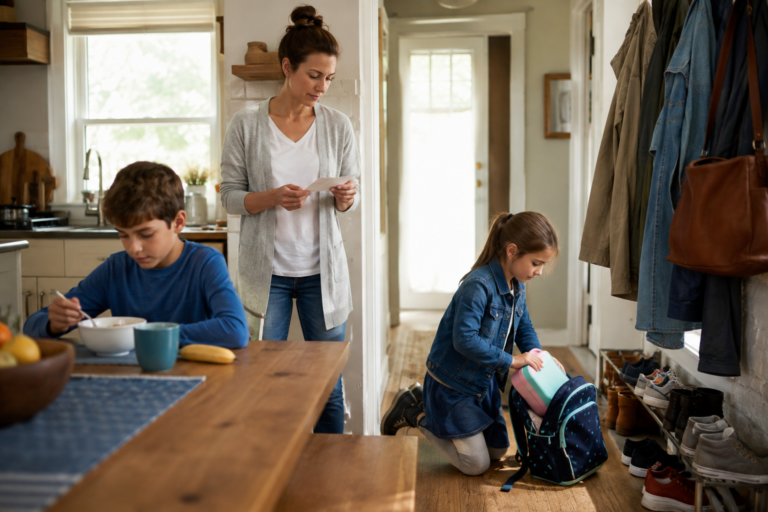
Daily routines give children structure and reduce stress. Consistent wake-up times, meal times, homework periods, and bedtimes help children know what to expect and make it easier for them to manage responsibilities. Predictability is especially important during busy school weeks, exams, or transitions between grades.
Make Space for Homework and Reading
Children benefit from having a designated place for school tasks, even if it is just a corner of the kitchen table. The goal is to provide a space with minimal distractions, necessary supplies, and enough quiet for concentration. Reading should also be part of family life. Shared reading, library visits, and access to books help build vocabulary, imagination, and curiosity.
Model Positive Learning Habits
Parents do not need to know every answer to support education. Demonstrating curiosity, persistence, and a willingness to learn can be just as valuable. When adults talk positively about learning, problem-solving, and effort, children begin to see education as a lifelong process rather than something limited to school.
Supporting Emotional Well-Being at School
Academic success is closely tied to emotional health. A child who feels anxious, isolated, or overwhelmed may struggle to focus, participate, or perform well. Parenting in the school years involves paying attention to emotional signals as much as report cards.
Encourage Open Communication
Many children do not immediately share worries about friendships, teachers, bullying, or academic pressure. Regular, calm conversations can make it easier for them to open up. Instead of asking only, “How was school?” parents can try more specific questions such as, “What was the best part of your day?” or “Was anything difficult today?”
Validate Feelings Without Rushing to Fix Everything
Children need to feel heard. When they express frustration or disappointment, it helps to listen first before offering solutions. Acknowledging emotions teaches children that setbacks are normal and manageable. This approach also builds trust, making them more likely to seek support in the future.
Watch for Signs of Stress
Changes in sleep, appetite, mood, grades, or behavior can sometimes signal that a child is struggling. School-related stress may come from homework overload, social conflict, perfectionism, or fear of failure. Early support from parents, teachers, or school counselors can prevent small issues from becoming bigger problems.
Building a Strong Parent-School Partnership
One of the most effective ways to support children is for families and schools to work as a team. Teachers see how children function in a classroom setting, while parents understand their child’s personality, habits, and needs at home. Sharing these insights helps create better support.
Stay Engaged Without Micromanaging
Being involved in school life does not mean controlling every assignment or solving every challenge. It means staying informed, attending meetings when possible, reading school communications, and showing interest in progress. Children benefit when parents are present and supportive, but also encouraged to develop independence.
Communicate Respectfully With Teachers
Positive communication with teachers can make a meaningful difference. If concerns arise, approaching the conversation with curiosity and cooperation is often more productive than blame. Working together to understand a child’s strengths and difficulties creates a stronger foundation for improvement.
Teaching Life Skills Alongside Academics
School success is not only about test scores. Children also need practical and social skills that help them manage responsibilities, relationships, and future challenges. Families are central in teaching these abilities.
-
Time management: Help children break larger tasks into smaller steps and plan ahead for deadlines.
-
Responsibility: Age-appropriate chores and personal routines build accountability.
-
Communication: Encourage children to speak respectfully, ask questions, and express needs clearly.
-
Resilience: Teach that mistakes are part of learning, not proof of failure.
-
Digital balance: Guide children in managing screen time and using technology responsibly for both study and leisure.
These life skills often shape long-term success just as much as academic knowledge does.
Managing Common Family-School Challenges
Most families face difficulties at some point during the school years. Homework battles, morning stress, sibling distractions, motivation issues, and exam anxiety are all common. Rather than aiming for perfection, it helps to focus on steady improvement and realistic expectations.
For younger children, visual schedules, reward charts, and short study periods can improve cooperation. For older children, involving them in planning their routines can increase ownership. In all age groups, praise for effort and progress is usually more effective than constant criticism.
It is also important for parents to avoid comparing children to siblings, classmates, or unrealistic standards. Each child has a different pace, personality, and set of strengths. Recognizing individual progress supports confidence and encourages healthier motivation.
Keeping Family Connection Strong During School Years
Busy school schedules can easily make family life feel rushed. Between homework, extracurricular activities, commutes, and work responsibilities, meaningful connection may shrink unless families protect time for it. Yet children of all ages benefit from knowing they are valued for more than their performance.
Simple habits can help preserve connection: family meals when possible, bedtime conversations, weekend walks, game nights, or shared routines before school. These moments strengthen relationships and create opportunities for children to talk naturally about their experiences.
When home remains a source of stability, encouragement, and belonging, children are better equipped to handle the demands of school life.
Final Thoughts
Parenting and education are closely linked. Children learn best when they are supported not only academically, but emotionally and socially as well. By creating healthy routines, staying engaged with school, encouraging communication, and teaching life skills, families can help children build confidence and resilience for the classroom and beyond.
No parent can remove every challenge from a child’s school journey. But with patience, consistency, and partnership, families can provide the kind of support that helps children grow into capable learners and confident individuals.