
Learning Resources That Truly Work: Building Smarter Paths to Education
Why Learning Resources Matter in Modern Education
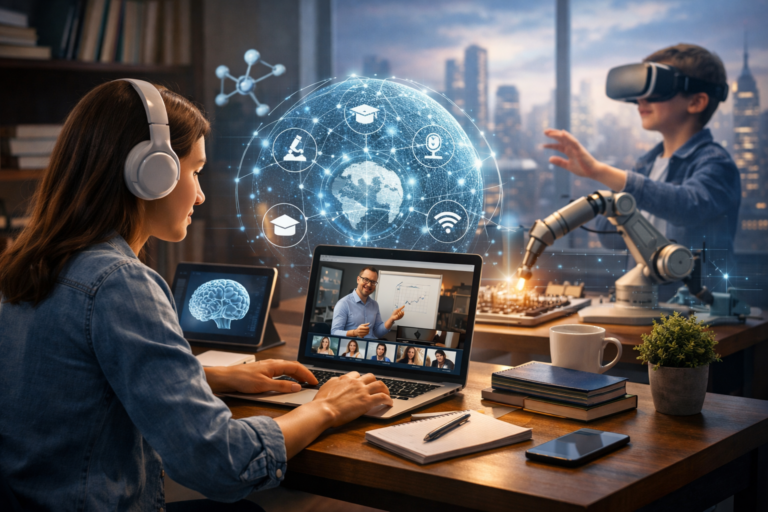
Learning resources are the tools, materials, and supports that help people gain knowledge and build skills. In education, they shape how learners access information, interact with ideas, and develop understanding over time. While textbooks once dominated most classrooms, today’s learning environment includes videos, podcasts, simulations, worksheets, online libraries, discussion forums, and interactive platforms. This wider range of options has transformed education into a more flexible and personalized experience.
Strong learning resources do not simply present facts. They guide attention, encourage curiosity, and support different learning needs. A well-designed resource can make difficult concepts clearer, improve motivation, and give learners opportunities to practice and review. For teachers, quality resources also save time, support lesson planning, and make instruction more consistent.
Types of Learning Resources
Traditional Print Resources
Printed materials remain essential in many educational settings. Textbooks, workbooks, reference books, and handouts provide structure and reliability. They are especially useful where internet access is limited or when learners benefit from reading without digital distractions. Printed resources also help with note-taking, highlighting, and slow, focused study.
Digital and Online Resources
Digital learning resources have become central to education at all levels. These include e-books, educational websites, video tutorials, virtual classrooms, online quizzes, and learning management systems. Their major advantage is accessibility. Learners can often study at their own pace, revisit lessons as needed, and explore related topics quickly. Many online resources also include adaptive features that adjust difficulty based on learner performance.
Interactive and Multimedia Tools
Some concepts are easier to understand when learners can see, hear, and manipulate information. Multimedia resources such as animations, infographics, interactive maps, and virtual labs make learning more dynamic. In science and mathematics, for example, simulations can help students test ideas safely and repeatedly. In language learning, audio and visual tools improve listening, pronunciation, and real-world understanding.
Human and Community Resources
Not all learning resources are physical or digital objects. Teachers, tutors, librarians, mentors, and peer groups are valuable educational supports. Community organizations, museums, and local experts also enrich learning by connecting knowledge to real contexts. These human resources often provide feedback, encouragement, and practical insight that static materials cannot offer on their own.
What Makes a Learning Resource Effective?
Not every resource is equally helpful. Effective learning resources usually share several key qualities. First, they are accurate and up to date. Learners need trustworthy information, especially in fast-changing subjects such as technology, health, and science. Second, good resources are clear and well organized. They present information in manageable sections and use examples to support understanding.
Accessibility is another important factor. A useful resource should work for diverse learners, including those with different reading levels, language backgrounds, or disabilities. Features such as captions, audio support, adjustable text, and mobile compatibility can make a significant difference. Relevance also matters. Resources should connect to learning goals and, when possible, to learners’ interests or real-life situations.
Finally, effective resources encourage active learning. Instead of asking students only to receive information, they should invite learners to solve problems, reflect on ideas, ask questions, and apply knowledge. This leads to deeper understanding and better retention.
How Teachers and Students Can Choose the Right Resources
Selecting the right learning resources requires more than choosing what looks popular or modern. The best choice depends on the learner’s age, goals, subject area, and learning environment. Teachers often begin by identifying the outcome they want students to achieve. From there, they can choose resources that match the skill level, support the lesson objective, and fit the available time and technology.
Students can also become more independent by learning how to evaluate resources for themselves. They should ask whether the material is credible, understandable, and useful for their current task. Comparing multiple sources is often helpful, especially for research projects or independent study.
- Check the author, publisher, or organization behind the resource.
- Look for recent publication or update dates.
- Make sure the content matches the learner’s level and goals.
- Choose formats that support focus and engagement.
- Prefer resources that include practice, feedback, or review options.
- Use a mix of formats to strengthen understanding from different angles.
The Role of Technology in Expanding Access
Technology has significantly expanded access to education and learning resources. Students in remote areas can now attend virtual lessons, download open educational materials, and communicate with instructors from anywhere. Many institutions and nonprofit organizations have also created free or low-cost resources, making learning more affordable and inclusive.
However, access is not only about availability. Digital literacy plays a major role in whether learners can benefit from online tools. Students need to know how to search effectively, evaluate sources, manage digital distractions, and protect their privacy. Educators must also consider the digital divide, since not all learners have stable internet connections or personal devices. In this sense, equitable education depends on both high-quality resources and fair access to them.
Creating a Balanced Learning Environment
The most successful educational environments usually combine multiple types of learning resources. A teacher might introduce a topic with a short video, reinforce concepts through a textbook chapter, deepen understanding with a group discussion, and assess progress using an online quiz. This blended approach keeps learning varied and responsive.
Balance is important because no single resource can meet every need. Some learners absorb information best by reading, while others prefer listening, discussing, or experimenting. Offering a variety of resources helps students engage with content in ways that suit them while also strengthening weaker skills.
Conclusion
Learning resources are a foundation of effective education. They influence not only what learners know, but also how they think, explore, and solve problems. In a world filled with information, the real challenge is choosing and using resources that are accurate, accessible, engaging, and aligned with learning goals. Whether in print, online, interactive, or human form, the best learning resources empower students to learn with greater confidence, independence, and purpose.