Balcony Gardening: Turn a Small Outdoor Space into a Flourishing Urban Oasis
Why Balcony Gardening Is So Popular
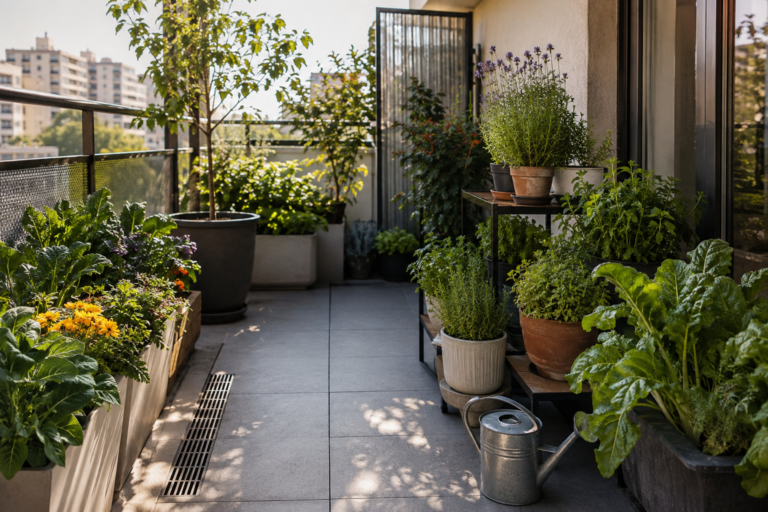
Balcony gardening has become a practical and creative way for people to enjoy nature in apartments, condos, and urban homes. Even when a yard is unavailable, a balcony offers valuable growing space for ornamental plants, kitchen herbs, seasonal vegetables, and even small fruiting varieties. It can also serve as a personal retreat, bringing color, fragrance, and calm to everyday life.
One of the greatest advantages of balcony gardening is flexibility. Containers can be rearranged, plant selections can change with the seasons, and growers can adapt their setup based on sunlight, weather, and available space. Whether you want a lush green hideaway or a productive edible garden, a balcony can support a surprising variety of plants.
Start by Understanding Your Balcony
Before buying pots and plants, it is important to evaluate the growing conditions of your balcony. Sunlight is the first factor to consider. South-facing balconies usually receive the most light, while north-facing spaces tend to be shadier. East-facing balconies get gentle morning sun, and west-facing ones often receive hot afternoon light.
Wind exposure is another major concern. High-rise balconies can experience strong gusts that dry out soil quickly and damage delicate stems. Temperature also matters, since balconies surrounded by concrete or glass can become significantly warmer than ground-level gardens. Finally, check weight restrictions, drainage rules, and building policies before adding heavy containers or trellises.
- Track how many hours of direct sun your balcony receives each day.
- Notice areas that are sheltered or exposed to wind.
- Confirm that excess water can drain safely.
- Measure your available floor, railing, and wall space.
- Review apartment or building rules about hanging planters and structures.
Choosing the Best Containers
Containers are the foundation of balcony gardening, and the right choice can make maintenance much easier. Pots come in many materials, including plastic, terracotta, ceramic, fabric, and metal. Plastic pots are lightweight and practical, while terracotta offers a classic look and good airflow but dries out faster. Fabric grow bags are useful for vegetables because they provide excellent drainage and root aeration.
When selecting containers, size matters. Small pots dry quickly and limit root growth, while larger ones hold moisture longer and support healthier plants. Every container should have drainage holes to prevent root rot. Saucers can help catch water, but they should not allow roots to sit in standing water for long periods.
Vertical solutions are especially useful in compact spaces. Wall planters, tiered shelves, hanging baskets, and railing boxes allow you to grow more plants without crowding the floor. This makes balcony gardening both efficient and visually appealing.
Use High-Quality Potting Mix
Good soil is essential for container gardening. Avoid using heavy garden soil, which can compact inside pots and restrict drainage. Instead, choose a quality potting mix designed for containers. These mixes are lighter, better aerated, and more effective at holding moisture while still draining well.
You can improve growing results by adding compost for nutrients and perlite or coco coir for texture and water balance. Because nutrients wash out of containers more quickly than in-ground beds, balcony plants usually benefit from regular feeding throughout the growing season.
Best Plants for Balcony Gardening
The best plants for a balcony depend on light, climate, and how much care you want to provide. Herbs are among the easiest and most rewarding choices. Basil, mint, parsley, thyme, chives, and rosemary grow well in pots and are useful in the kitchen. Leafy greens such as lettuce, spinach, and arugula are also ideal for containers, especially in cooler seasons.
If your balcony receives strong sun, you can try compact vegetables such as cherry tomatoes, peppers, radishes, bush beans, and dwarf eggplants. For decorative appeal, flowering plants like petunias, marigolds, geraniums, begonias, and pansies can add vibrant color over a long period. Shade-tolerant balconies may be better suited to ferns, impatiens, coleus, and certain ivy varieties.
- For sunny balconies: tomatoes, peppers, basil, lavender, marigolds
- For partial shade: lettuce, parsley, begonias, chard, strawberries
- For shady balconies: ferns, mint, coleus, impatiens, ivy
Watering and Feeding Tips
Because containers dry out more quickly than garden beds, watering is one of the most important parts of balcony gardening. In hot weather, some pots may need water daily, especially small containers and hanging baskets. The goal is to keep soil evenly moist without making it soggy.
A simple way to check is to feel the top inch of soil. If it feels dry, it is usually time to water. Morning is often the best time, since it helps plants prepare for the heat of the day. Mulch, self-watering containers, and grouping pots together can help reduce water loss.
Regular feeding keeps potted plants vigorous. A balanced liquid fertilizer applied every couple of weeks works well for many herbs, flowers, and vegetables. For a slower approach, use controlled-release fertilizer mixed into the potting soil.
Designing a Beautiful and Functional Space
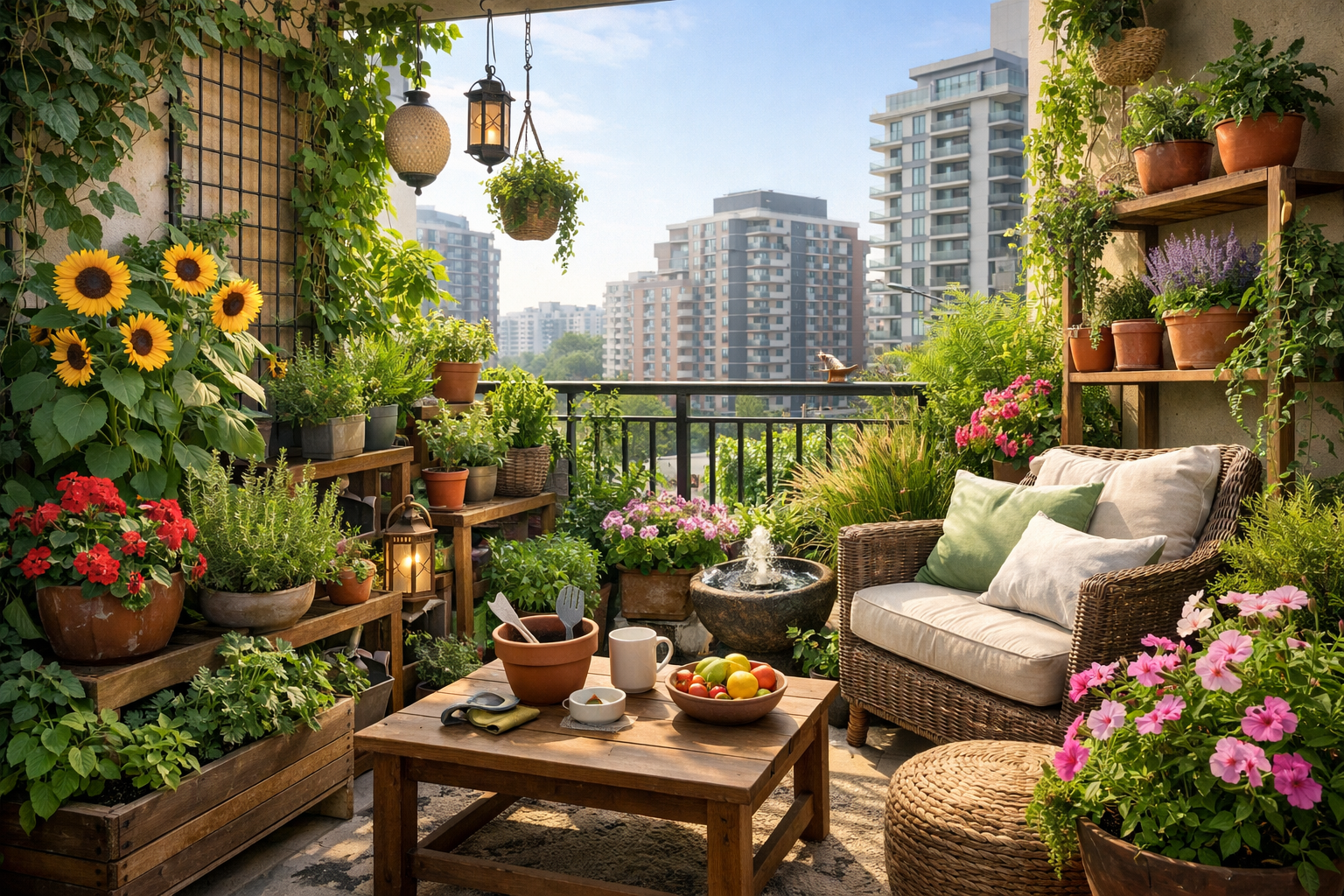
A successful balcony garden is not only productive but also comfortable and attractive. Start by creating layers. Place taller plants toward walls or corners, medium containers in the middle, and trailing plants along railings or shelves. This arrangement improves light access and creates a fuller look.
Choose a consistent style if you want the space to feel polished. Matching pots, coordinated colors, and natural materials can unify the design. Add practical elements such as a folding chair, a small bench with storage, or a narrow table to make the balcony more inviting. Solar lights, decorative pebbles, and compact trellises can further enhance the atmosphere.
Common Balcony Gardening Challenges
Wind and Heat
Strong wind can stress plants and break stems. Use heavier pots, windbreak screens, or place sensitive plants near walls for protection. In intense heat, consider shade cloth or moveable containers that can be repositioned.
Pests
Even small balcony gardens can attract aphids, spider mites, and whiteflies. Inspect plants regularly, remove damaged leaves, and treat early with insecticidal soap or a strong spray of water when appropriate.
Limited Space
To make the most of a small balcony, grow upward. Hanging baskets, stackable planters, and trellised crops such as peas or climbing beans can greatly increase growing capacity.
Seasonal Care and Long-Term Success
Balcony gardening changes with the seasons. In spring and summer, growth is fast and watering needs rise. In autumn, cool-weather crops and seasonal flowers can keep the space vibrant. In winter, hardy plants may survive with protection, while tender varieties should be brought indoors or replanted next season.
Long-term success comes from observation and adjustment. Pay attention to which plants thrive in your microclimate, how fast soil dries, and where sunlight shifts over time. With a little experimentation, your balcony can become a thriving miniature garden that delivers beauty, fresh ingredients, and a daily connection to the outdoors.