Street-Smart Travel: How to Stay Safe and Outsmart Common Scams
Why Travel Safety Matters
Travel opens the door to new cultures, memorable experiences, and spontaneous adventure, but it also places you in unfamiliar environments where routines, laws, and social cues may differ from what you know. Most trips go smoothly, yet tourists are often seen as easy targets for theft, fraud, and manipulation because they may be distracted, jet-lagged, or carrying valuables.
Good travel safety is not about fear. It is about reducing avoidable risk while keeping your trip enjoyable. A balanced approach combines preparation before departure, smart habits while moving around, and the ability to recognize red flags quickly. Knowing the most common scams can help you respond calmly instead of reacting under pressure.
Prepare Before You Leave
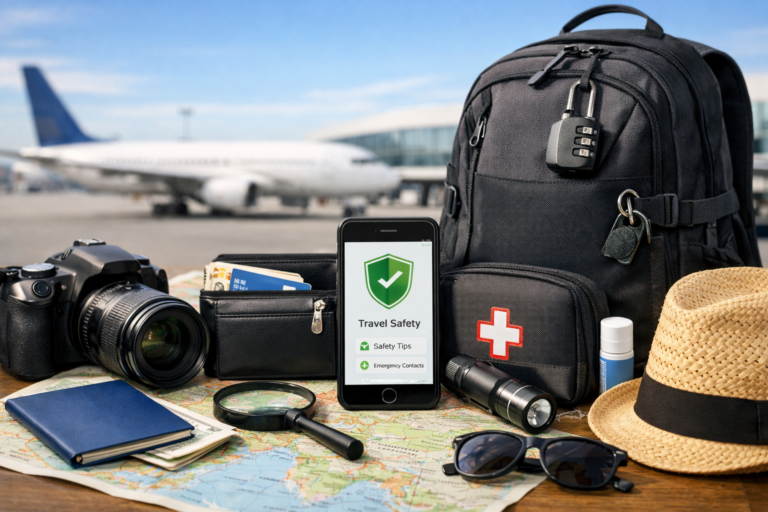
Safety starts long before you arrive at the airport. Research your destination carefully, including neighborhood safety, transport options, local emergency numbers, and common tourist scams reported by recent travelers. Government travel advisories and recent reviews can offer useful context.
Make digital and physical copies of important documents such as your passport, visa, travel insurance, flight details, and hotel reservations. Store one set securely online and keep another separate from the originals. If your phone is lost or stolen, these backups can save time and stress.
- Share your itinerary with a trusted friend or family member.
- Use a credit card when possible for stronger fraud protection.
- Notify your bank about your travel dates to avoid blocked transactions.
- Pack only what you need and avoid displaying expensive items.
- Download offline maps, translation tools, and emergency contacts.
Smart Habits on the Ground
Once you arrive, confidence and awareness are your best tools. Walk as if you know where you are going, even if you need to step aside to check directions. Looking visibly lost in crowded transit hubs or tourist centers can attract opportunists.
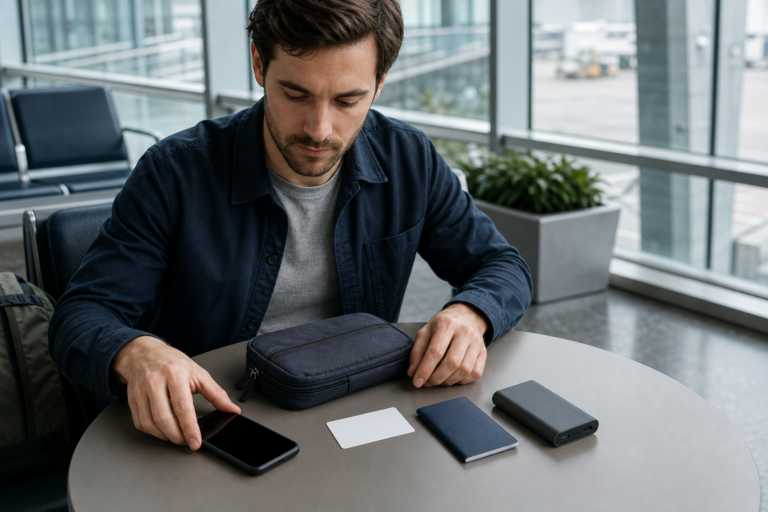
Keep cash, cards, and identification separated rather than in one wallet or bag. Use a crossbody bag, money belt, or anti-theft backpack with zippers kept closed and in front of you in busy places. In taxis, on trains, and at cafés, never leave your phone or passport on the table or seat beside you.
Be cautious with oversharing. Posting your exact location in real time, especially if traveling alone, can weaken your privacy and security. It is often better to share photos after you leave a location.
Accommodation Safety Tips
Choose accommodations with strong recent reviews and clear contact information. On arrival, confirm that doors, locks, windows, and safes work properly. Keep valuables out of sight, and do not open your door to unexpected visitors without verifying with reception first.
If using short-term rental platforms, read host reviews carefully and verify check-in instructions. Be wary of requests to communicate or pay outside the official booking platform, as this can increase your exposure to fraud.
Common Travel Scams to Watch For
The “Helpful Local” Diversion
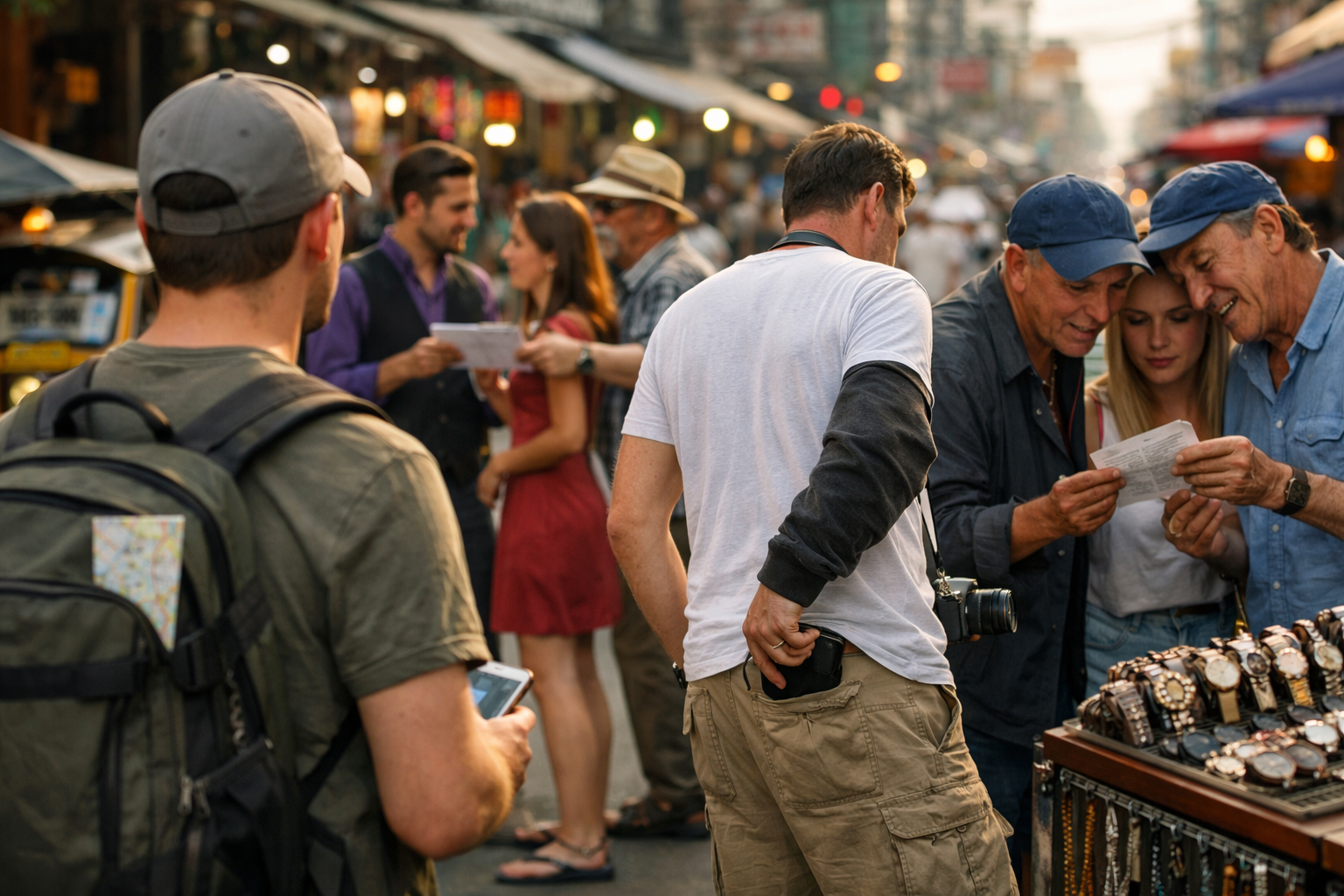
A stranger offers unexpected help with tickets, luggage, or directions, then leads you to an overpriced service, demands a tip, or distracts you while an accomplice steals from you. Genuine help exists, but unsolicited assistance in crowded tourist areas deserves caution.
Fake Taxi and Ride Scams
Unofficial drivers may approach travelers at airports or stations, claim that the meter is broken, or charge inflated flat rates. Use licensed taxis, official taxi lines, or reputable ride-hailing apps. Confirm the plate number and driver identity before entering the vehicle.
ATM and Card Tricks
Card skimming devices, hidden cameras, and fake keypad overlays can capture payment details. Use ATMs located inside banks or well-lit secure areas. Shield the keypad when entering your PIN and check your bank activity regularly during your trip.
The Closed Attraction or Hotel Problem
A driver or stranger claims your hotel, museum, or attraction is closed and suggests an alternative. The alternative may be a shop, tour, or property that pays them commission. Confirm closures directly with the business or from official websites before changing plans.
The Friendship Bracelet, Flower, or Gift Scam
Someone places an item in your hand, ties a bracelet on your wrist, or offers a “free” gift, then aggressively demands payment. Do not engage. Keep walking, avoid taking the item, and respond firmly and briefly if necessary.
Distraction Theft
Spilled food, a sudden argument, a petition, or a group of children approaching you may be used to divert attention while a bag or wallet is taken. If something unusual happens in a crowded area, your first instinct should be to check your belongings.
How to Respond If Something Feels Wrong
If a situation becomes pushy or confusing, create distance. Move toward a well-lit, populated area or into a shop, hotel lobby, or police-monitored space. A simple, firm response such as “No, thank you” or “I will handle it myself” is often enough. You do not owe strangers a long explanation.
Trust your instincts, especially when pressure is involved. Scammers often rely on urgency, guilt, or friendliness to override caution. If someone insists you act immediately, pay in cash, or follow them elsewhere, pause and verify independently.
- Contact your bank immediately if a card is lost or compromised.
- Report theft to local police and request a written report for insurance.
- Inform your embassy or consulate if your passport is stolen.
- Change passwords for key accounts if your phone is lost.
- Tell your accommodation staff if you feel unsafe in the area.
Safe Travel Without Paranoia
The goal is not to view every stranger as a threat. Many locals are generous, honest, and genuinely helpful. The key is to balance openness with boundaries. Accept help when it is appropriate, but verify details, stay aware of your surroundings, and keep control of your money, documents, and transport choices.
In practice, travel safety comes down to a few repeatable habits: prepare well, stay alert in crowded places, protect your valuables, and recognize pressure tactics early. When you do that, you are far less likely to become a target, and far more likely to enjoy your journey with confidence.
A safe traveler is not the most fearful person in the room. It is the person who is informed, calm, and difficult to exploit. That mindset lets you spend less time worrying about scams and more time discovering what makes travel worthwhile in the first place.