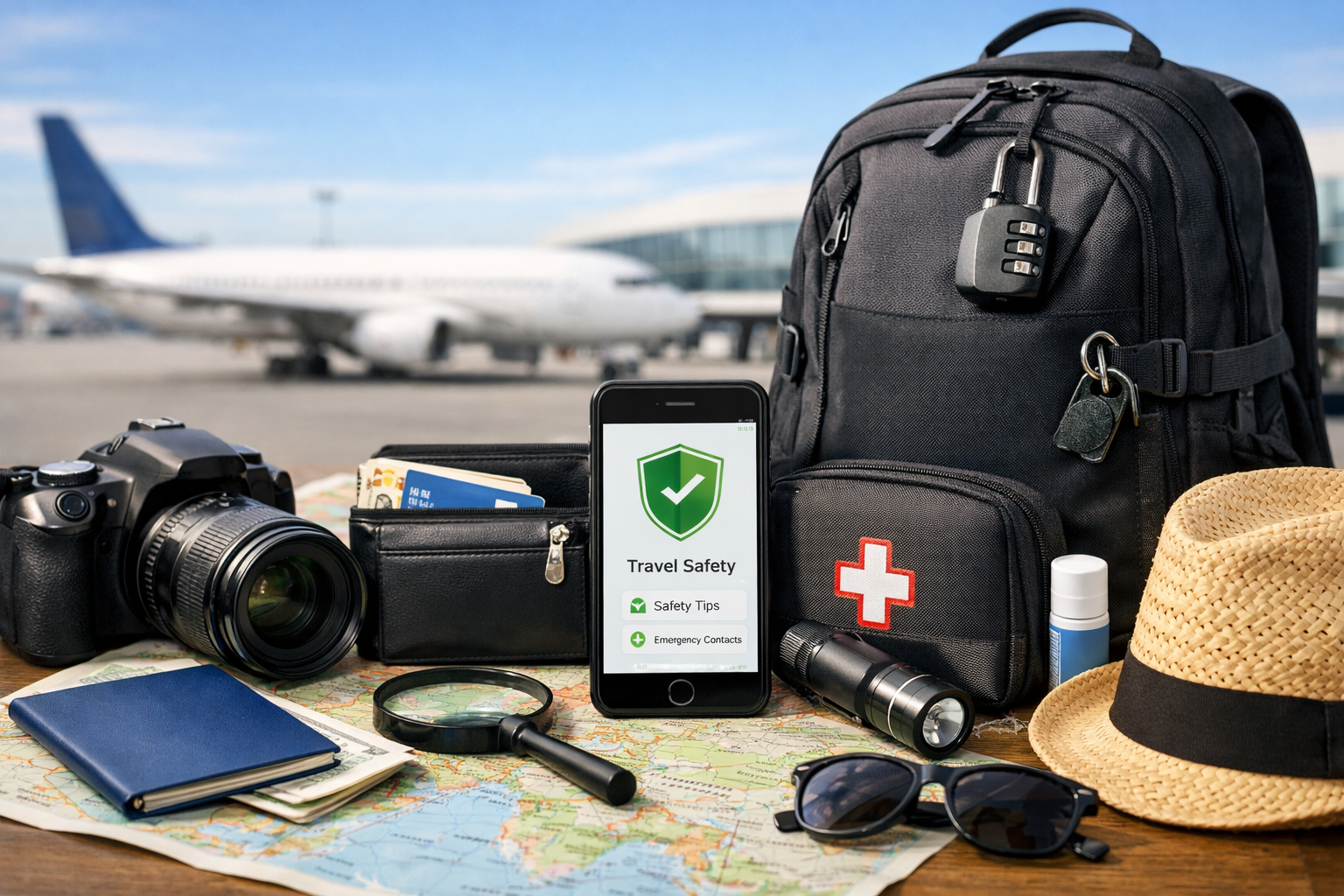
Smart Travel Safety: How to Stay Secure, Prepared, and Confident on Any Trip
Why Travel Safety Matters
Travel opens the door to new cultures, experiences, and opportunities, but every journey also brings unfamiliar environments, different laws, and unexpected disruptions. Whether you are planning a weekend city break, a business trip, or a long international adventure, safety should be part of your itinerary from the start. Good travel safety is not about fear. It is about reducing avoidable risks, making informed choices, and being ready to act if something goes wrong.
From petty theft and transport scams to weather events and medical emergencies, most travel problems become easier to manage when you prepare in advance. A few practical steps before departure and some smart habits on the road can make a significant difference.
Before You Go: Build a Safety-First Plan
Research Your Destination Thoroughly
Start by learning about the place you are visiting. Review official travel advisories, local laws, seasonal weather patterns, transportation options, and common safety concerns. Some destinations have risks that are easy to overlook, such as unsafe taxi practices, areas with high pickpocket activity, political demonstrations, or health precautions like required vaccines.
It is also wise to identify nearby hospitals, pharmacies, police stations, and your country’s embassy or consulate. Save these locations and contact numbers in your phone and keep a printed copy in case your device loses power or service.
Organize Important Documents
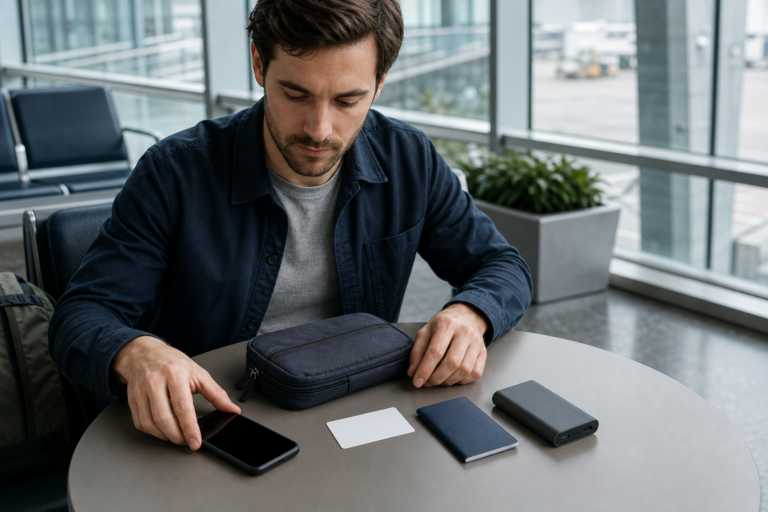
Your passport, identification, insurance information, tickets, and emergency contacts should be easy to access but securely stored. Make digital and paper copies of essential documents and keep them separate from the originals. If your wallet or bag is lost or stolen, backup copies can speed up replacement and reporting.
- Carry a copy of your passport photo page.
- Store travel insurance details in both digital and printed form.
- Share your itinerary with a trusted friend or family member.
- Keep emergency contact information in your phone and wallet.
Choose the Right Insurance
Travel insurance is one of the most important parts of trip preparedness. A solid policy can help with medical treatment, emergency evacuation, trip cancellations, lost baggage, and other disruptions. Review coverage carefully rather than choosing based on price alone. If you are taking part in adventure activities, confirm they are included in the policy.
Protecting Yourself in Transit
Stay Alert in Airports, Stations, and Public Transport
Transit hubs are busy, distracting environments where theft and confusion are common. Keep valuables close, avoid displaying expensive electronics unnecessarily, and be cautious when approached by overly helpful strangers. Use official taxi stands, rideshare apps, or prearranged transport whenever possible.
On buses, trains, and flights, do not place passports, medications, or electronics in checked bags if you can avoid it. Keep your most important items in a small personal bag that remains with you at all times.
Secure Your Money and Devices
Do not keep all your cash and cards in one place. Split funds between your wallet, a secure bag, and a hotel safe if available. Enable device passcodes, biometric locks, and location tracking features before you leave. Back up your photos and documents regularly in case your phone or laptop is lost.
Staying Safe at Your Destination
Practice Situational Awareness
One of the most effective travel safety habits is simply paying attention. Notice your surroundings, trust your instincts, and avoid distractions when walking in unfamiliar areas. If a street, venue, or situation feels wrong, leave promptly. Confidence and awareness often make travelers less appealing targets for scams or theft.
Try not to advertise that you are unfamiliar with the area. Review directions before you head out, and step into a shop or café if you need to check your phone or map. At night, stick to well-lit, populated routes and avoid walking alone in isolated areas when possible.
Be Careful with Accommodation Security
Choose accommodation with strong reviews, secure locks, staffed reception, and clear safety procedures. Once checked in, confirm how to contact the front desk, locate fire exits, and use room safes properly. Lock doors and windows, and do not open your room to unexpected visitors unless you verify who they are.
Avoid Common Scams
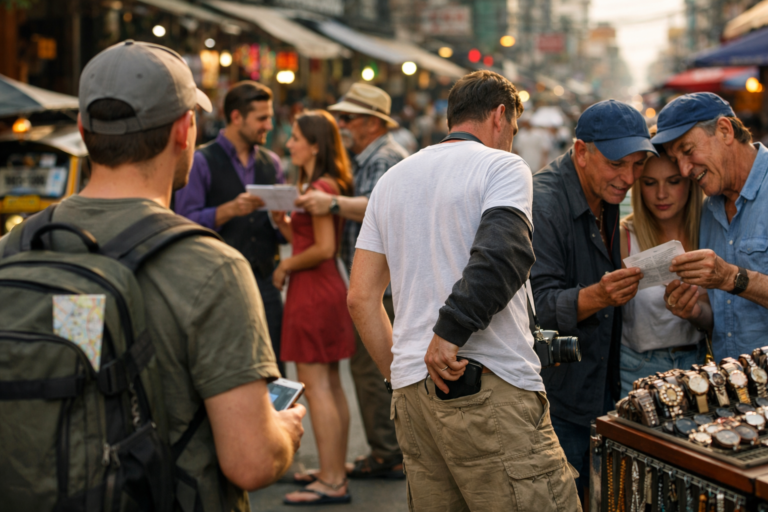
Many scams target travelers because they appear distracted or unfamiliar with local customs. These can include inflated taxi fares, fake police checks, counterfeit tickets, ATM tampering, and staged “help” after a spill or disturbance. Learn about common scams in your destination before arrival so you can recognize them quickly.
- Use ATMs inside banks or well-monitored locations.
- Confirm prices before getting into a taxi or booking a service.
- Be skeptical of unsolicited offers that create pressure or urgency.
- Keep bags zipped and worn securely in crowded places.
Health, Safety, and Emergency Preparedness
Prioritize Personal Health
Health issues can disrupt travel faster than almost anything else. Bring enough prescription medication for the full trip, plus extra in case of delays. Carry medications in original packaging and check destination rules for restricted substances. A small health kit with pain relievers, bandages, hand sanitizer, oral rehydration salts, and any personal essentials can be extremely useful.
Food and water safety also matters. In areas where tap water may not be safe, choose sealed bottled water and be cautious with ice, raw foods, or street food that appears poorly handled. Rest, hydration, and sun protection are simple but often overlooked parts of staying well while traveling.
Prepare for Emergencies
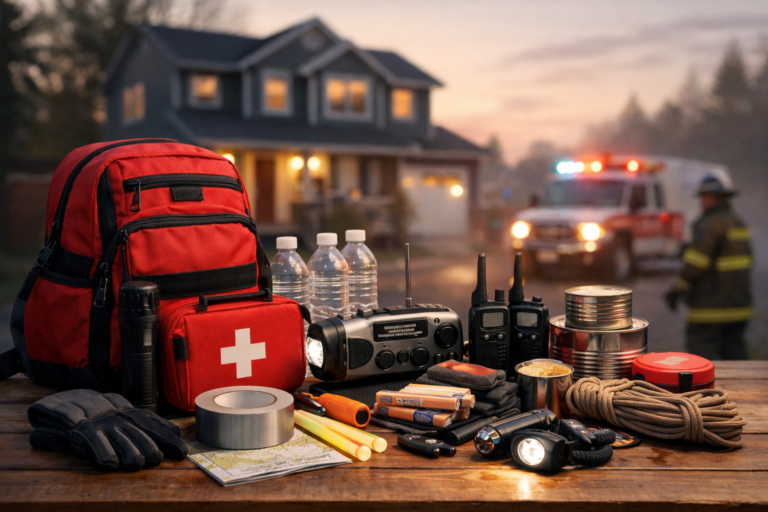
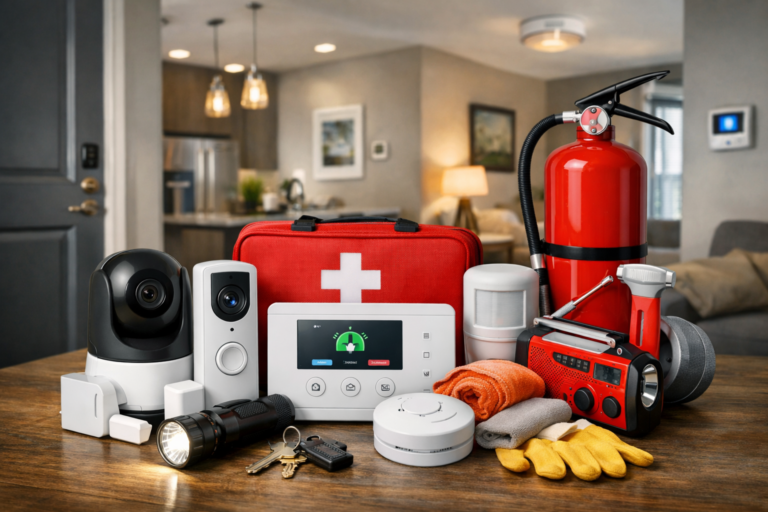
No one expects an emergency, but preparedness improves your response. Know the local emergency numbers, understand basic evacuation routes in your hotel, and keep your phone charged. Carry a portable charger when exploring for long periods. If traveling to regions prone to natural disasters or civil unrest, monitor local alerts and follow official guidance immediately.
If you are traveling alone, consider regular check-ins with someone at home. A simple message schedule can help others notice quickly if something is wrong.
Digital Safety While Traveling
Travel safety now includes cybersecurity. Public Wi-Fi networks in airports, hotels, and cafés can expose your data if used carelessly. Avoid logging into sensitive accounts on unsecured networks, use a reputable VPN when possible, and disable automatic connection to open Wi-Fi. Be cautious with public charging stations unless you use your own adapter and cable.
Also review your privacy settings before posting in real time on social media. Sharing your exact location, hotel name, or travel schedule publicly can expose you to unnecessary risk.
Final Thoughts
The safest travelers are not the most fearful—they are the most prepared. By researching your destination, protecting your belongings, staying aware of your environment, and planning for health and emergency needs, you can travel with greater confidence and flexibility. Safety does not reduce the joy of travel; it supports it. When you know you are ready for the unexpected, you are free to focus on the experience itself.