Home Safety Essentials: Smart Security, Everyday Prevention, and Emergency Readiness
Why Home Safety Requires a Complete Approach
Home safety is not limited to stopping intruders. A truly secure household is protected from multiple risks, including break-ins, fires, falls, electrical hazards, storms, and medical emergencies. Many homeowners focus on one area, such as door locks or security cameras, while overlooking everyday dangers that are statistically more likely to cause harm. A complete home safety strategy combines security, accident prevention, and emergency preparedness so that every member of the household knows how to stay protected.
The best safety plans are practical, consistent, and easy to maintain. Small improvements, such as checking smoke alarms, storing medications safely, and creating an emergency contact list, can make a major difference. When these actions are supported by good lighting, strong entry points, and clear family routines, the home becomes safer, more resilient, and better prepared for unexpected events.
Strengthening Home Security
Secure Entry Points First
Doors and windows are the most common access points for burglars, so they should be your first priority. Exterior doors should be solid-core or metal and fitted with high-quality deadbolts. Reinforcing strike plates with longer screws helps make doors more resistant to forced entry. Sliding doors can be improved with security bars or track blockers to prevent them from being forced open.
Windows should lock properly and remain secured when not in use. Ground-floor windows and those hidden by landscaping deserve extra attention because they can offer cover for intruders. Trim shrubs near windows and entryways to reduce hiding spots and improve visibility from the street or neighboring homes.
Use Lighting and Visibility as Deterrents
A well-lit property is less attractive to criminals. Motion-sensor lighting around entrances, garages, driveways, and backyards can discourage suspicious activity. Indoor timer lights can also make a home appear occupied when residents are away. Good visibility matters as much as strong hardware, so keep entry areas clear and ensure house numbers are visible for both visitors and emergency responders.
Consider Modern Security Technology
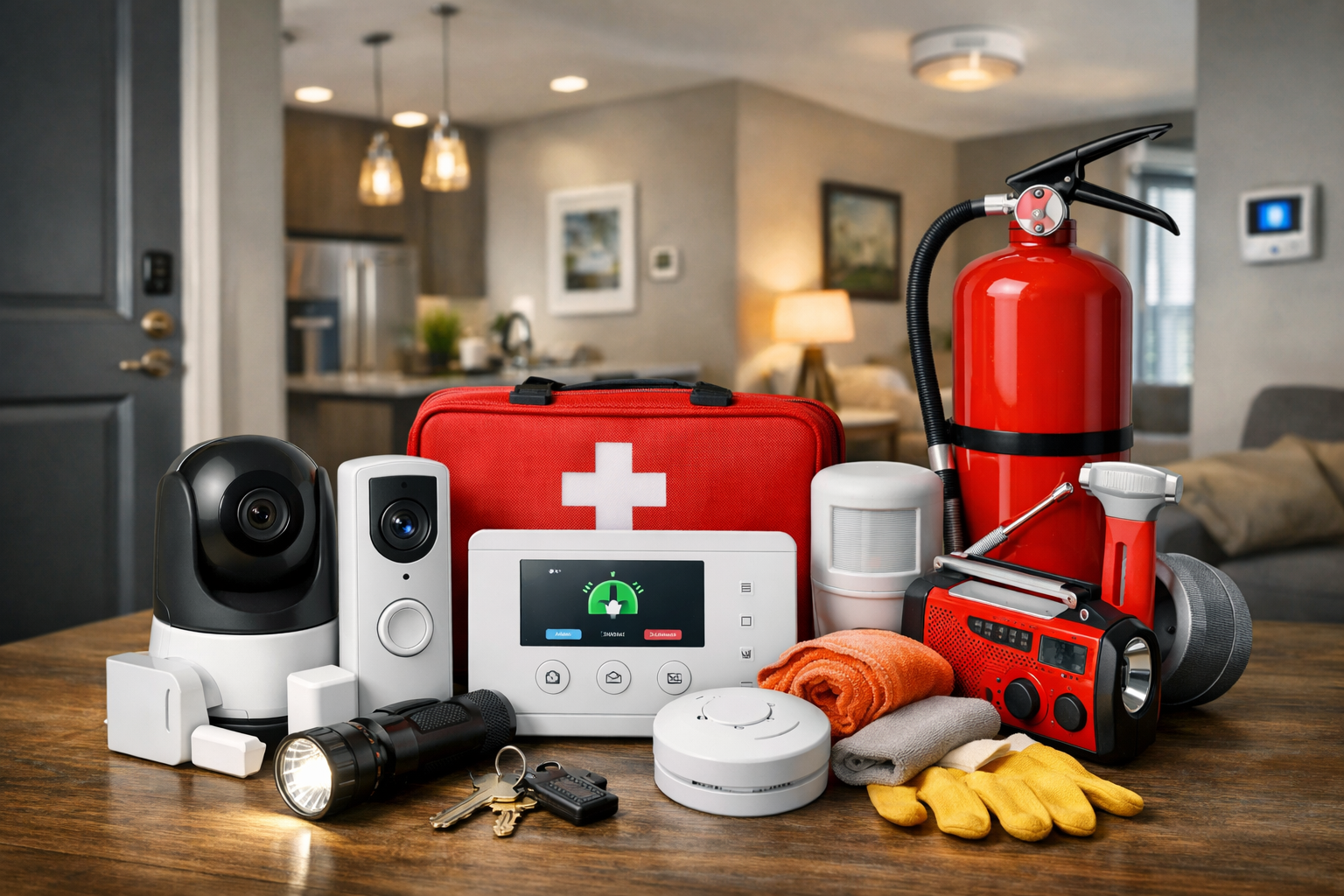
Smart doorbells, security cameras, alarm systems, and mobile alerts can add another layer of protection. These tools can help homeowners monitor package deliveries, detect unusual activity, and respond quickly when something is wrong. However, technology works best when paired with habits like locking doors, closing garage doors, and not sharing travel plans publicly on social media. Even the most advanced system cannot replace consistent personal vigilance.
Preventing Everyday Household Hazards
Fire Safety at Home
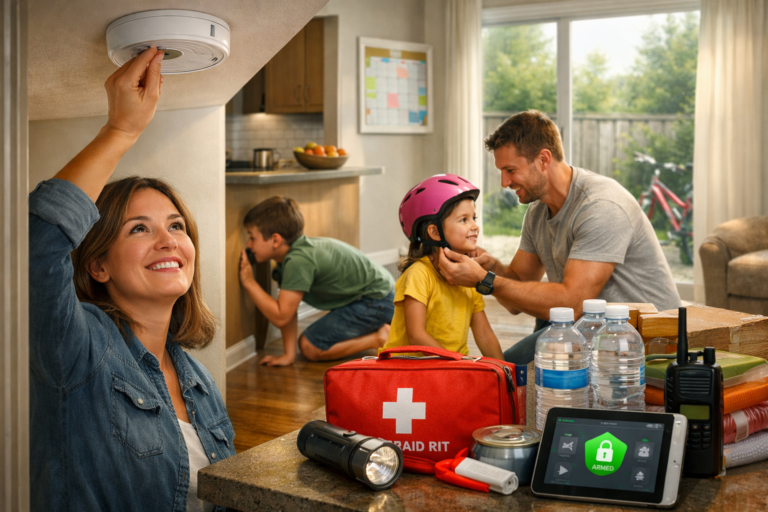
Fires can spread quickly, making prevention and early warning critical. Install smoke alarms on every level of the home, inside bedrooms, and outside sleeping areas. Test them monthly and replace batteries as needed. Fire extinguishers should be easy to access in the kitchen, garage, and other high-risk areas, and everyone in the home should know how to use them.
Common fire risks include unattended cooking, overloaded electrical outlets, damaged cords, candles, and portable heaters placed too close to curtains or furniture. Develop safe habits, such as turning off appliances when not in use and keeping flammable items away from heat sources. A family fire escape plan with at least two exits from major rooms should be reviewed and practiced regularly.
Fall and Injury Prevention
Falls are among the most common causes of injury in the home, especially for young children and older adults. Reduce risks by keeping stairs clear, installing handrails, using non-slip mats in bathrooms, and improving lighting in hallways and stairwells. Area rugs should be secured to prevent slipping, and frequently used items should be stored within easy reach to avoid risky climbing.
Childproofing measures may include safety gates, outlet covers, cabinet locks, and furniture anchors to prevent tipping. For seniors, safety upgrades like grab bars, shower seats, and easy-to-access emergency call devices can support independence while reducing injury risk.
Electrical and Chemical Safety
Electrical hazards often go unnoticed until they cause serious damage. Avoid overloading extension cords and power strips, replace frayed wires, and have outdated wiring inspected by a qualified electrician. Water and electricity should always be kept separate, particularly in kitchens, bathrooms, and outdoor spaces.
Household cleaners, pesticides, medications, and other chemicals should be stored in clearly labeled containers and kept out of reach of children and pets. Never mix cleaning products unless the label specifically says it is safe, as some combinations can produce dangerous fumes. Proper storage and careful use are essential to preventing poisoning and accidental exposure.
Preparing for Emergencies Before They Happen
Create a Family Emergency Plan
Preparedness begins with clear communication. Every household should have an emergency plan that covers fires, severe weather, power outages, medical incidents, and evacuation scenarios. Family members should know where to meet inside the home, where to meet outside, and how to contact one another if separated. Choose an out-of-area contact person who can help coordinate communication during local disruptions.
It is also helpful to post important phone numbers in a visible location and save them in mobile devices. Include emergency services, poison control, doctors, nearby relatives, and trusted neighbors. Children should be taught when and how to call for help in an age-appropriate way.
Build a Reliable Emergency Kit
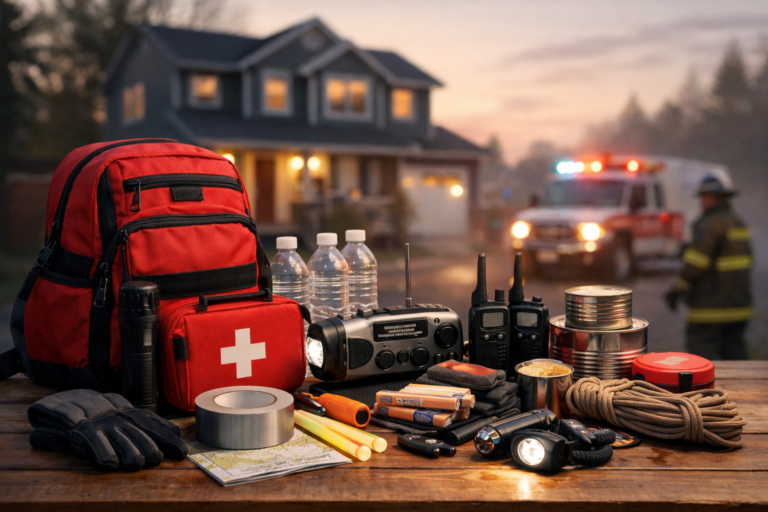
A basic home emergency kit should support the household for at least several days. It should include essentials such as water, nonperishable food, flashlights, extra batteries, a first aid kit, prescription medications, hygiene supplies, blankets, and phone chargers or backup power banks. Depending on your location and family needs, you may also need pet supplies, infant care items, copies of important documents, and weather-specific gear.
- One gallon of water per person per day
- Nonperishable food and a manual can opener
- Flashlights and spare batteries
- First aid supplies and necessary medications
- Battery-powered or hand-crank radio
- Important documents in a waterproof container
- Cash in small bills
- Supplies for children, seniors, or pets
Check the kit at least twice a year to replace expired items and adjust supplies as family circumstances change.
Prepare for Local Risks
Home preparedness should reflect the hazards most likely in your area. In some regions, that means securing outdoor furniture before storms and knowing where to shelter during tornado warnings. In others, it means understanding wildfire evacuation routes, earthquake safety procedures, or flood risks. When households plan around realistic local threats, they are more likely to respond quickly and effectively under pressure.
Building Safer Habits for the Long Term
Home safety is strongest when it becomes part of daily life rather than a one-time checklist. Locking doors, testing alarms, reviewing emergency plans, and correcting small hazards before they become serious all contribute to a safer environment. Encourage every member of the household to participate, because safety works best as a shared responsibility.
A secure and prepared home offers more than physical protection. It also creates peace of mind. By improving security, reducing preventable risks, and preparing for emergencies, families can build a home that is not only comfortable, but confident, resilient, and ready for whatever comes next.