Smart Home Maintenance: Practical DIY Improvements That Protect Your Property
Why Home Maintenance Matters
A well-maintained home is safer, more efficient, and more valuable over time. Regular upkeep helps prevent small issues from turning into expensive repairs, whether that means sealing a drafty window, clearing gutters, or checking for early signs of moisture damage. For homeowners interested in home, DIY, and improvement projects, maintenance is the foundation that supports every renovation, upgrade, and seasonal repair.
Many of the most important maintenance tasks do not require advanced construction skills. Instead, they depend on consistency, observation, and a willingness to address wear and tear before it spreads. Resources connected to the broader construction and upkeep industry, such as the Construction and Maintenance directory, can also help homeowners understand the range of services and specialties involved when a project moves beyond basic DIY work.
Building a Practical Maintenance Routine
One of the best ways to manage a home is to divide maintenance into manageable intervals. Rather than waiting for a visible problem, create a schedule that includes monthly, seasonal, and annual checks. This approach reduces stress and makes it easier to budget for repairs and improvements.
Monthly Tasks
- Inspect air filters and replace them if needed to maintain indoor air quality and HVAC efficiency.
- Test smoke detectors and carbon monoxide alarms.
- Look under sinks and around toilets for slow leaks or moisture buildup.
- Check for cracks in caulk around tubs, showers, and kitchen backsplashes.
- Observe walls and ceilings for stains that may indicate roof or plumbing issues.
Seasonal Tasks
- Clean gutters and downspouts to prevent water overflow and foundation problems.
- Examine doors and windows for drafts, damaged weatherstripping, or worn seals.
- Trim shrubs and tree branches away from siding and roofing.
- Inspect outdoor faucets, hoses, and irrigation systems for leaks.
- Prepare heating or cooling systems before peak seasonal use.
Annual Tasks
- Review the roof for missing shingles, flashing damage, or moss growth.
- Check the attic for insulation gaps, ventilation concerns, and signs of pests.
- Inspect the foundation for cracks or drainage issues.
- Flush the water heater to reduce sediment buildup.
- Repaint or reseal exposed exterior wood surfaces when necessary.
Essential DIY Home Improvement Skills
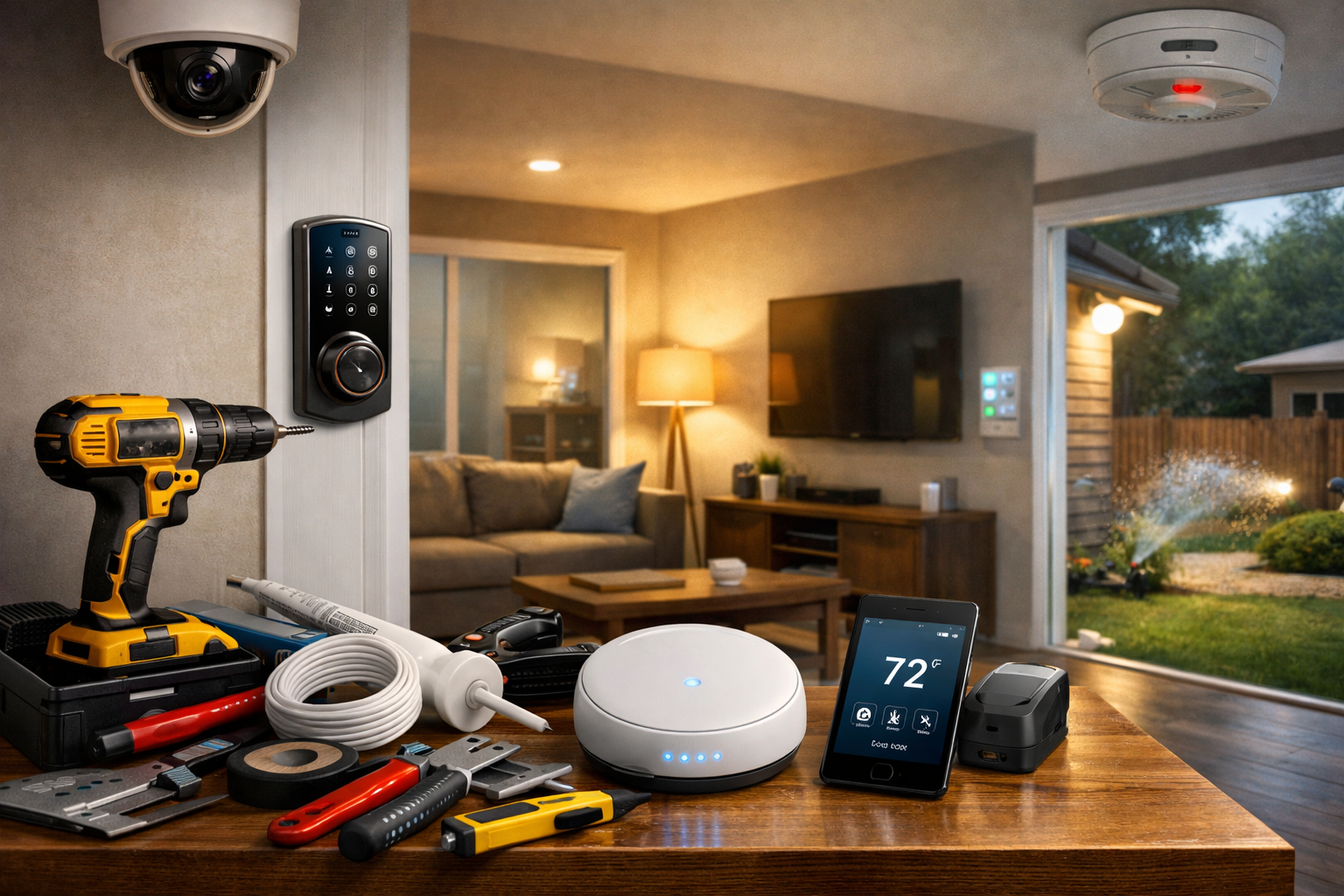
DIY maintenance becomes much easier when homeowners build a few core skills. Learning how to use a caulk gun properly, patch a small drywall hole, tighten loose hardware, or replace a faucet washer can save time and money. These are simple but valuable improvements that keep a home functioning well and looking cared for.
Another important skill is basic diagnostic awareness. If a door suddenly sticks, the problem may not be the hinges alone—it could point to humidity changes or slight structural movement. If paint begins bubbling, trapped moisture may be the real issue. Effective DIY work starts with identifying the cause, not just treating the visible symptom.
High-Impact Areas That Need Regular Attention
Roof and Gutters
The roof is one of the most critical protective systems in any home. Even a minor failure can lead to insulation damage, mold growth, and interior repairs. Homeowners should look for sagging areas, missing shingles, granules in gutters, and water stains near ceilings. Gutters should remain clear so rainwater can move safely away from the house.
Plumbing and Moisture Control
Water damage is often silent at first, making prevention especially important. Check pipe connections, toilet bases, and appliance hoses regularly. Kitchens, bathrooms, basements, and laundry rooms deserve extra attention because they are common sources of hidden leaks. Improving ventilation and resealing joints can make a major difference in controlling moisture.
Exterior Surfaces
Siding, paint, masonry, and trim constantly face sun, wind, and rain. Cracked paint and damaged sealant may seem cosmetic, but they often allow moisture intrusion that leads to rot or deterioration. A yearly walkaround inspection can reveal peeling paint, warped boards, loose panels, or mortar damage before those issues become more serious.
HVAC and Energy Efficiency
Heating and cooling systems perform best when they are kept clean and unobstructed. Dirty filters, blocked vents, and neglected servicing can increase utility costs while reducing comfort. Small improvements such as sealing air leaks, adding attic insulation, and maintaining ductwork can improve energy efficiency without requiring a full system replacement.
When DIY Ends and Professional Help Begins
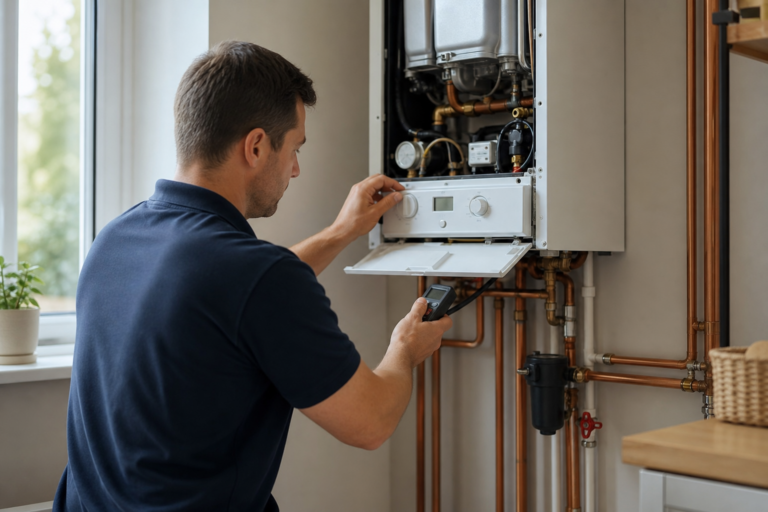
Homeowners can complete many maintenance tasks on their own, but some jobs require trained professionals. Electrical upgrades, structural repairs, major roof work, and complicated plumbing issues should be approached with caution. Safety, building codes, and long-term reliability matter just as much as cost savings.
A smart home improvement strategy includes knowing when to call an expert. If a problem keeps returning, affects multiple parts of the home, or involves hidden systems behind walls, it may need professional assessment. In many cases, early intervention from a qualified contractor can prevent a much larger repair later.
Creating a Home That Lasts
Home maintenance is not just a list of chores. It is an ongoing investment in the durability, appearance, and livability of your property. Every cleaned gutter, sealed gap, and repaired fixture contributes to a stronger, more efficient home. Over time, these routine actions preserve both comfort and value.
For anyone interested in home, DIY, and improvement projects, maintenance should always come first. Upgrades are most effective when the home’s essential systems are already in good condition. By combining regular inspections, practical DIY skills, and professional support when needed, homeowners can keep their property in excellent shape for years to come.