
Beyond the Scoreboard: Athlete Profiles That Inspire Fitness
Why Athlete Profiles Matter in Sports and Fitness
Athlete profiles do more than introduce fans to famous names, championship records, and highlight-reel moments. They show the human work behind performance: early mornings, repeated drills, recovery sessions, setbacks, nutrition choices, and the ability to keep moving forward when results do not arrive immediately. Whether the subject is an Olympic sprinter, a professional footballer, a marathon runner, or a local adaptive-sports competitor, a strong profile makes athletic excellence feel understandable and relevant.
For people interested in sports and fitness, these stories can turn admiration into action. An athlete may possess exceptional natural ability, but their long-term success is usually built on habits that everyday exercisers can recognize: consistency, purposeful practice, quality sleep, sensible goal-setting, and patience. Athlete profiles place those habits in context and remind readers that improvement is rarely a straight line.
The Building Blocks of a Meaningful Athlete Profile
The best profiles look beyond medals and statistics. Achievements establish credibility, but the most memorable stories explain how an athlete developed, what challenges shaped them, and how they approach their sport today. This creates a fuller picture of performance and avoids reducing an individual to one result or one season.
Origins and Early Influences
Every athletic journey begins somewhere. Some competitors discover a sport through family, school, or a neighborhood club. Others arrive after trying several activities, recovering from an injury, or searching for a new challenge. Exploring these beginnings helps readers understand why an athlete connects with a particular discipline. A swimmer may have found confidence in the pool, while a cyclist may have been drawn to the freedom and endurance of long rides.
Early influences also reveal the importance of access and support. Coaches, parents, teammates, teachers, and community programs often play central roles in helping emerging athletes develop skills and self-belief. These details make a profile more relatable while highlighting the value of inclusive sporting opportunities.
Training With Purpose
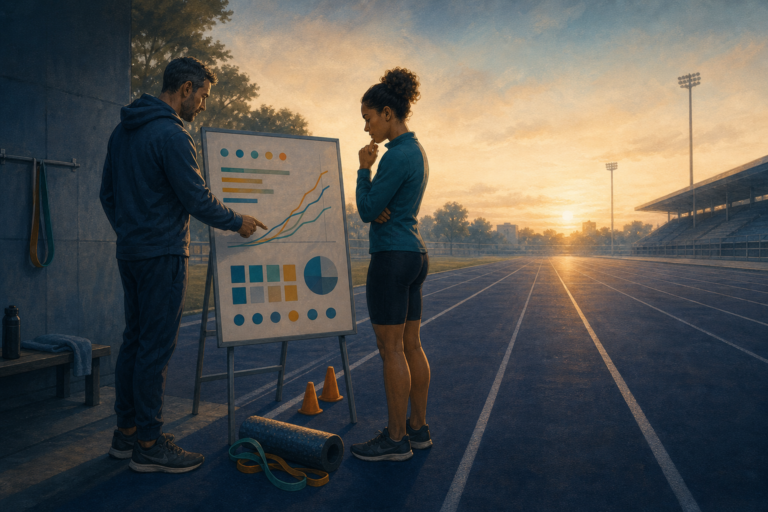
Training is the core of any athlete profile, but it should not be presented as endless punishment. Effective programs are structured around the demands of a sport and the needs of the individual. A powerlifter may prioritize strength, mobility, and technical lifts. A tennis player needs footwork, reaction speed, endurance, and tactical awareness. A distance runner balances mileage with strength work, recovery runs, and race-specific sessions.
Rather than copying an elite program, readers can learn from its principles. Athletes often progress by setting clear goals, monitoring workload, practicing fundamentals, and adjusting when fatigue or injury appears. Their routines demonstrate that smart training is more valuable than simply doing more.
- Consistency: Small, repeated efforts create lasting gains.
- Specificity: Training should match the movement patterns and energy demands of a chosen sport.
- Progression: Load, intensity, or complexity should increase gradually.
- Recovery: Rest days, mobility work, hydration, and sleep support performance.
- Feedback: Coaches, data, and self-reflection help athletes improve efficiently.
The Mental Side of Athletic Performance
Physical preparation receives attention, yet mental skills often separate good performances from great ones. Athlete profiles can illuminate how competitors handle pressure, stay focused during long seasons, and recover emotionally after disappointment. Confidence is not always a personality trait; it is frequently built through preparation, repetition, and the ability to respond constructively to mistakes.
Many athletes use visualization, breathing exercises, pre-event routines, or performance journals. These practices can help manage nerves and create a sense of control. A basketball player may rehearse free throws mentally before a decisive game, while a triathlete may break a demanding race into manageable stages. Such strategies offer practical lessons for anyone preparing for a fitness goal, competition, or personal milestone.
Resilience After Setbacks
Injury, selection disappointment, poor form, and public criticism are common parts of sport. A compelling athlete profile does not hide these moments. Instead, it examines how an athlete adapted. Sometimes the answer is rehabilitation and a gradual return to training. Sometimes it involves changing technique, seeking specialist support, or redefining success for a period.
This honest perspective is especially valuable because it challenges the myth that high performers are always motivated and confident. Resilience does not mean ignoring frustration. It means acknowledging difficulty, using available support, and continuing with a realistic plan. For recreational athletes, that may mean replacing a missed workout with recovery instead of abandoning a routine altogether.
Nutrition, Recovery, and Sustainable Fitness
Modern athlete profiles increasingly recognize that performance is supported outside the training venue. Nutrition provides energy for demanding sessions and nutrients for repair, while recovery allows the body to adapt. Individual needs vary by sport, body size, schedule, medical history, and training volume, so elite eating plans should never be treated as universal prescriptions. Still, the broad lessons are useful: eat consistently, prioritize nourishing foods, stay hydrated, and seek qualified guidance when needed.
Recovery also includes sleep, stress management, and time away from competition. Athletes who maintain long careers tend to respect these foundations. Their example encourages a healthier view of fitness—one based on sustainable progress rather than exhaustion as a badge of honor.
What Readers Can Take From Athlete Stories
The value of athlete profiles lies in their transferability. Most people will not train for a world championship, but they can adopt the mindset that improvement comes from deliberate, repeatable choices. A profile may inspire someone to join a running club, learn a new sport, return to exercise after a break, or simply take recovery more seriously.
Ultimately, the strongest sports and fitness profiles celebrate more than winning. They reveal character, preparation, community, and growth. By showing what happens beyond the scoreboard, they make sport richer for fans and make fitness goals feel more achievable for everyone.