Find the Next Serving Side in a Tennis Game
In a standard advantage game, the next serving side follows the number of completed points. Learn the pattern, then separate it from faults, lets, and changes of ends.


In a standard advantage game, the next serving side follows the number of completed points. Learn the pattern, then separate it from faults, lets, and changes of ends.

The runners lined up furthest along the bend have not been given a head start. Their staggered positions compensate for the longer path around an outer lane.

Before choosing a fantasy replacement, establish which moves are still possible and when they take effect. Lineup locks, roster changes, waiver processing, and positional eligibility answer different questions.

In a cricket score, 18.4 overs is not a decimal. Use a simple late-chase example to connect runs needed, valid balls remaining, wickets, and the required scoring rate.

An athlete’s comeback is not a single clearance date. This detailed performance ledger follows the hidden work between first participation and dependable competition, revealing how capacity, skill, confidence, context and honest evidence combine.
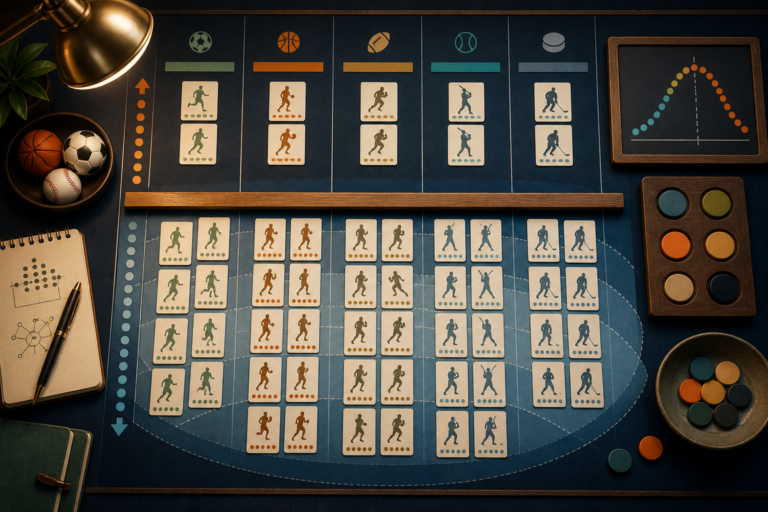
Player rankings ignore the roster you must fill and the talent that will remain. This practical method turns projections into replacement-level draft decisions.

Athlete profiles reveal the discipline, resilience, and daily habits behind elite performance. From training routines to mental preparation, these stories offer practical motivation for sports fans and fitness enthusiasts alike.

Combat sports combine athleticism, strategy, and discipline in a way few other activities can match. From boxing and wrestling to MMA and judo, these sports build fitness, confidence, and mental resilience.

Fantasy sports transform spectators into active participants by blending sports knowledge, statistics, and strategy. This article explores how fantasy leagues work, why they are so popular, and how to play responsibly and competitively.