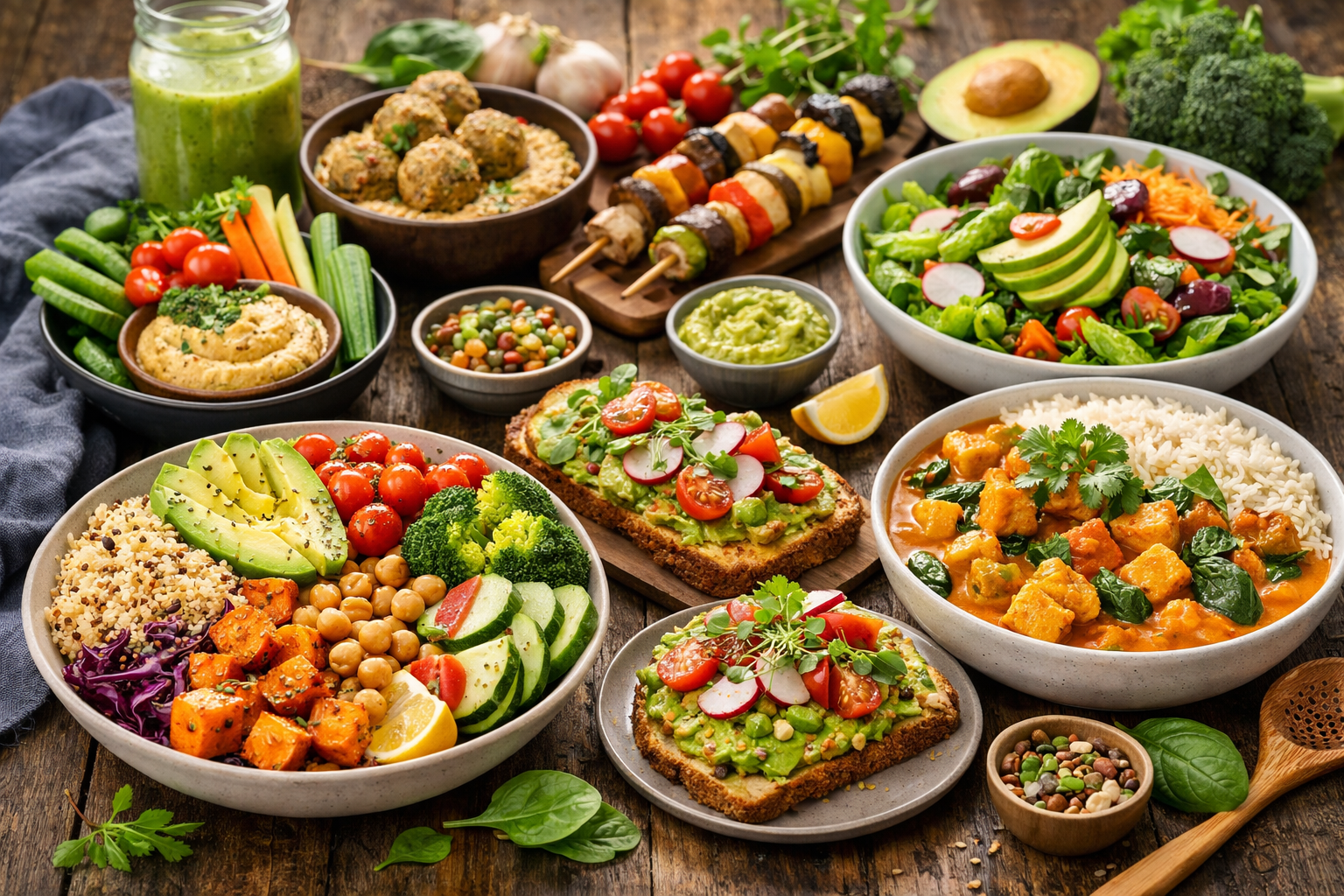
Plant-Powered Plates: A Fresh Guide to Vegetarian and Vegan Eating
Understanding Vegetarian and Vegan Eating
Vegetarian and vegan diets have moved from niche lifestyle choices to widely embraced ways of eating. While both focus on plant-based foods, they differ in important ways. A vegetarian diet typically excludes meat, poultry, and fish, but may include dairy products, eggs, or both depending on the type of vegetarianism. A vegan diet goes further by avoiding all animal-derived ingredients, including dairy, eggs, and often honey.
At their best, both approaches center on whole foods such as vegetables, fruits, legumes, grains, nuts, seeds, and herbs. These ingredients offer variety, color, and depth of flavor while creating meals that can be both satisfying and nutritionally rich. Whether someone adopts a fully vegan routine or simply adds more vegetarian meals to the week, the result is often a more mindful and diverse relationship with food.
Why People Choose a Plant-Based Lifestyle
People embrace vegetarian and vegan eating for many reasons. Health is often a major motivation, as plant-forward meals can encourage higher intake of fiber, vitamins, minerals, and antioxidants. Many people also choose these diets for ethical reasons related to animal welfare, while others are drawn by the environmental benefits of reducing reliance on animal agriculture.
Another appealing factor is culinary creativity. Plant-based cooking invites experimentation with global cuisines, spices, textures, and cooking methods. From lentil curries and roasted vegetable grain bowls to creamy cashew sauces and hearty bean stews, vegetarian and vegan dishes can be deeply comforting as well as vibrant and modern.
Key Nutrients to Pay Attention To
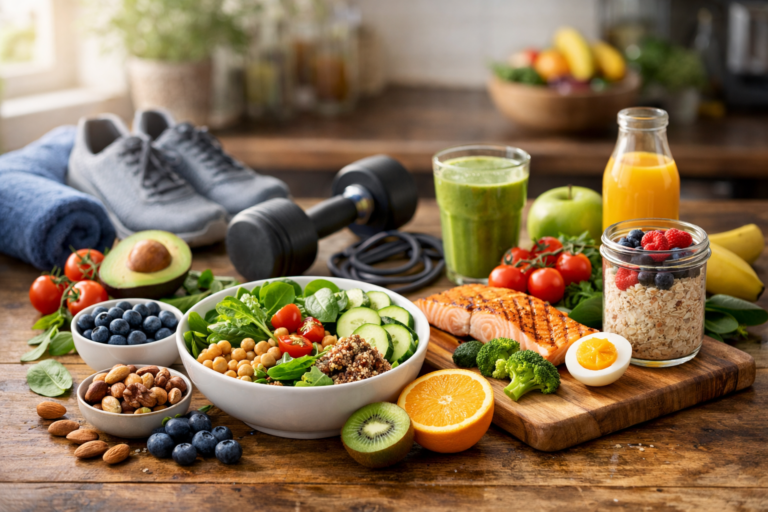
A well-planned vegetarian or vegan diet can meet nutritional needs, but some nutrients deserve extra attention. Protein is often the first concern, yet many plant foods provide it in meaningful amounts. Beans, lentils, tofu, tempeh, edamame, seitan, nuts, seeds, and whole grains all contribute to daily intake.
Vegans in particular should monitor vitamin B12, since it is not reliably available in unfortified plant foods. Fortified plant milks, nutritional yeast, and supplements are common solutions. Iron is another important nutrient, especially from lentils, beans, spinach, tofu, pumpkin seeds, and fortified cereals. Pairing iron-rich foods with vitamin C sources such as citrus, bell peppers, or tomatoes can support absorption.
Other nutrients worth planning for include calcium, omega-3 fatty acids, vitamin D, iodine, and zinc. For many people, balance comes from variety rather than restriction. The more diverse the plate, the easier it is to cover nutritional needs.
Helpful Plant-Based Staples
- Beans, lentils, and chickpeas for protein and fiber
- Tofu, tempeh, and edamame for versatile main dishes
- Brown rice, oats, quinoa, and whole-grain pasta for energy and texture
- Leafy greens, broccoli, and fortified plant milks for calcium
- Chia seeds, flaxseeds, and walnuts for omega-3 fats
- Nutritional yeast and fortified foods for vitamin B12 support
Building Flavor Without Meat
One of the biggest myths about vegetarian and vegan food is that it lacks flavor. In reality, plant-based cooking can be especially dynamic because it relies on layers of seasoning, texture, and technique. Roasting vegetables intensifies sweetness, caramelization adds depth, and ingredients such as mushrooms, miso, soy sauce, tahini, garlic, ginger, lemon, and fresh herbs create bold character.
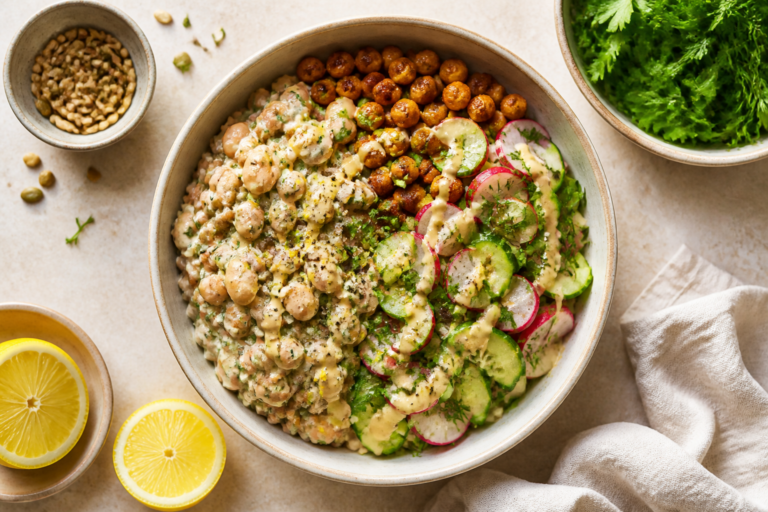
Texture matters just as much as taste. Crispy chickpeas, toasted seeds, creamy hummus, charred cauliflower, and chewy grains can make a dish feel complete and memorable. Sauces are also transformative. A simple bowl of rice and vegetables becomes exciting with peanut sauce, chimichurri, pesto, harissa, or a spiced coconut curry base.
Easy Meal Ideas for Everyday Eating
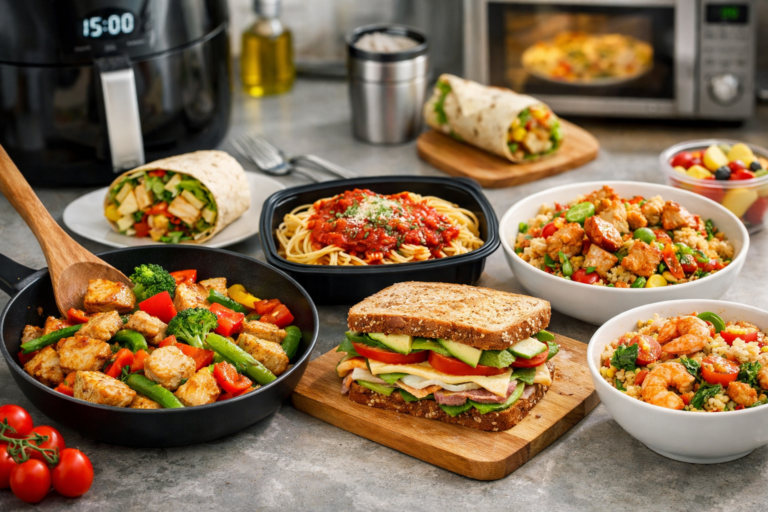
Plant-based eating does not need to be complicated. Many of the most reliable meals are simple combinations of protein, grains, vegetables, and a flavorful sauce. Breakfast might be oatmeal with berries, almond butter, and chia seeds, or tofu scramble with spinach and toast. Lunch can be a quinoa salad with roasted vegetables and tahini dressing, while dinner might feature black bean tacos, vegetable stir-fry with tofu, or a lentil soup with crusty bread.
Snacks are equally approachable. Fresh fruit, trail mix, roasted edamame, hummus with sliced vegetables, dairy-free yogurt, or nut butter on whole-grain crackers all fit easily into a vegetarian or vegan routine. Planning a few dependable meals each week can reduce stress and make shopping more efficient.
Smart Pantry Essentials
- Canned beans and tomatoes for quick soups and stews
- Dried lentils for fast, budget-friendly meals
- Nut butters, tahini, and olive oil for richness and sauces
- Whole grains and pasta for flexible meal bases
- Spices such as cumin, paprika, turmeric, and chili flakes
- Freezer staples like peas, spinach, and mixed vegetables
Eating Out and Social Situations
Restaurants and social events are easier to navigate now than ever before. Many menus offer clearly labeled vegetarian and vegan options, and even when they do not, small adjustments can often make a dish suitable. Asking for a grain bowl without cheese, pasta without cream, or a sandwich with extra vegetables and avocado instead of meat can be enough.
When attending gatherings, bringing a plant-based dish is a practical strategy. It guarantees there is something to enjoy while also introducing others to how appealing vegetarian and vegan food can be. Dishes like pasta salad, roasted vegetable platters, bean dips, and fruit desserts tend to please a wide range of tastes.
A Flexible Approach That Lasts
Not everyone needs to follow a perfect label to benefit from plant-based eating. Some people thrive as long-term vegans, while others prefer a vegetarian pattern or simply reduce meat consumption over time. What matters most is consistency, enjoyment, and nutritional awareness. Sustainable habits usually grow from realistic choices rather than rigid rules.
Vegetarian and vegan eating can be affordable, practical, and deeply satisfying. With a well-stocked pantry, a few go-to recipes, and an openness to new ingredients, plant-based food becomes far more than a substitute. It becomes a flavorful, nourishing way to eat every day.