Composting Made Simple: Turn Kitchen Scraps Into Garden Gold
Why Composting Matters in the Garden
Composting is one of the most practical habits for gardeners and homeowners who want to reduce waste while improving soil health. Instead of sending fruit peels, coffee grounds, leaves, and grass clippings to the landfill, composting transforms them into a dark, crumbly material often called “black gold.” This finished compost feeds plants naturally, supports beneficial soil organisms, and improves the structure of both sandy and clay-heavy soils.
Beyond its garden benefits, composting also helps the environment. Organic waste in landfills breaks down without enough oxygen and can release methane, a potent greenhouse gas. By composting at home, you keep organic materials in a productive cycle and reduce your household’s contribution to waste disposal.
What Compost Is Made Of
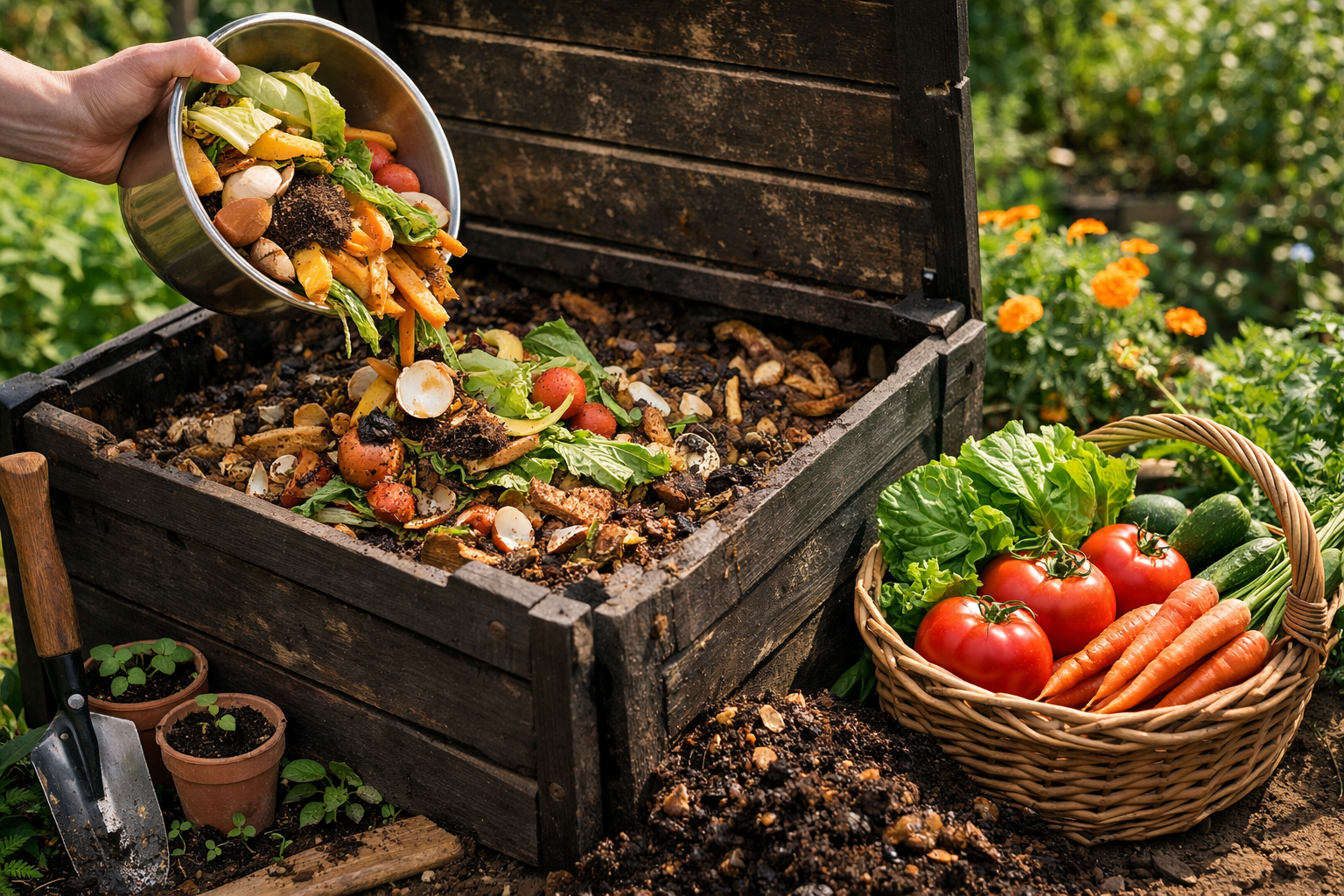
Successful compost depends on a balance of nitrogen-rich and carbon-rich materials. These are often referred to as “greens” and “browns.” Microorganisms use both types to break down organic matter efficiently.
Green Materials
- Fruit and vegetable scraps
- Coffee grounds and tea leaves
- Fresh grass clippings
- Plant trimmings
- Crushed eggshells
Brown Materials
- Dry leaves
- Shredded newspaper
- Cardboard
- Straw
- Small twigs
- Sawdust from untreated wood
A good rule of thumb is to use more browns than greens, often around two to three parts brown material to one part green material. This balance helps prevent odors, discourages pests, and supports proper decomposition.
What to Avoid Putting in Compost
Not everything organic belongs in a backyard compost pile. Some materials can attract animals, create unpleasant smells, or introduce harmful pathogens.
- Meat, fish, and bones
- Dairy products
- Oily or greasy foods
- Pet waste
- Diseased plants
- Weeds with mature seeds
- Treated wood or glossy paper
If you are using a specialized hot composting system, some of these concerns can be managed, but for most home gardeners, it is best to keep compost inputs simple and safe.
Choosing a Composting Method
There is no single best way to compost. The right method depends on your space, budget, and how quickly you want finished compost.
Open Pile Composting
An open pile is the simplest option. Organic materials are layered directly on the ground in a designated area. This method works well for larger yards and gardeners with plenty of leaves and clippings.
Compost Bins
Bins create a tidier system and help hold in moisture and heat. They are a good choice for suburban backyards and can be made from wood, wire mesh, or purchased as ready-made units.
Tumbler Composters
Tumblers are enclosed containers that rotate, making it easier to mix the compost. They can speed up decomposition and are useful for people who want a cleaner, more contained setup.
Vermicomposting
Vermicomposting uses worms to break down food scraps, usually indoors or in sheltered spaces. It is ideal for apartments, small households, or anyone with limited outdoor room.
How to Build a Healthy Compost Pile
Starting a compost pile is straightforward. Begin with a layer of coarse brown materials such as twigs or straw to improve airflow at the bottom. Then add alternating layers of greens and browns. Keep materials moist, but not soggy. A compost pile should feel similar to a wrung-out sponge.
Oxygen is another key ingredient. Turning the pile with a fork or aerating tool every week or two introduces air and helps microbes work faster. If the pile becomes compacted or waterlogged, decomposition slows and odors may develop.
Size matters as well. A pile around three feet wide and three feet tall usually holds heat well without becoming difficult to manage. Smaller piles may decompose more slowly, while very large piles can be harder to turn.
Common Composting Problems and Simple Fixes
Bad Smells
If your compost smells sour or rotten, it likely contains too many greens or too much moisture. Add dry browns such as leaves, shredded paper, or cardboard, and turn the pile to improve airflow.
Pile Is Too Dry
If decomposition seems stalled and the pile looks dry, lightly add water while turning. Compost microbes need moisture to stay active.
Compost Is Not Heating Up
A cool pile may need more nitrogen-rich materials or a larger overall volume. Add fresh grass clippings or kitchen scraps, mix thoroughly, and check moisture levels.
Pests Are Visiting
Rodents and insects are often attracted by exposed food scraps. Bury fresh kitchen waste beneath a layer of browns and avoid adding meat, dairy, or oily leftovers.
When Compost Is Ready to Use
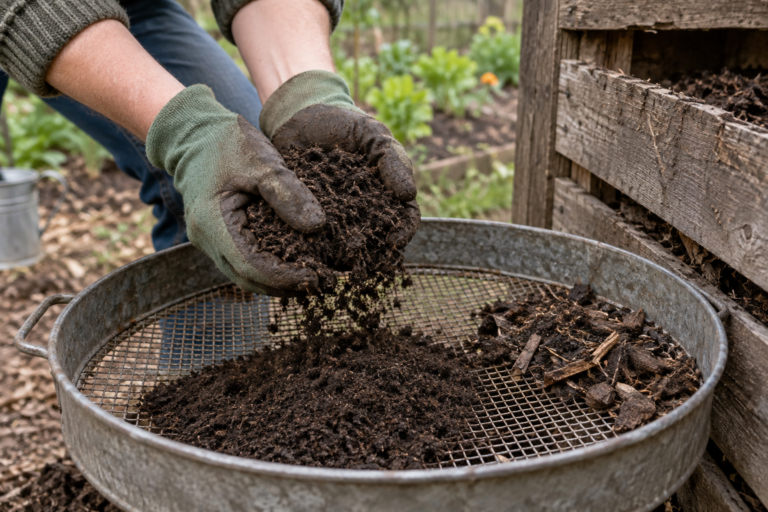
Finished compost is dark, loose, and earthy-smelling. You should no longer be able to recognize most of the original materials. Depending on the method and conditions, compost may be ready in a few months or take closer to a year.
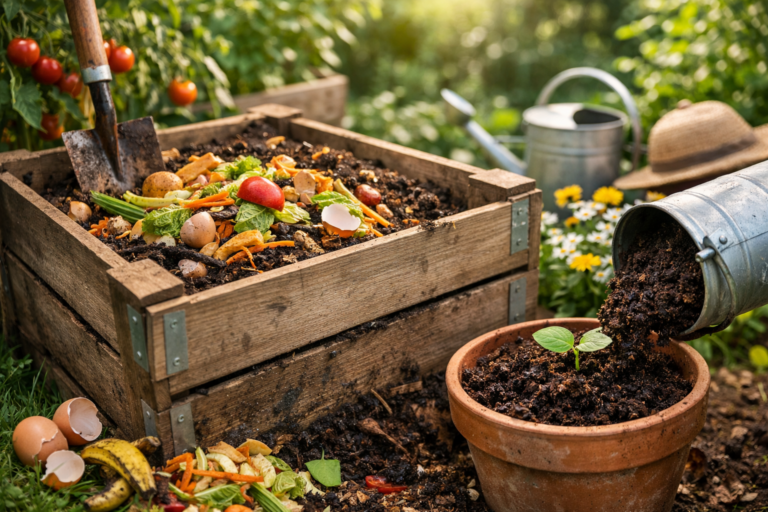
Use finished compost by mixing it into garden beds, spreading it around trees and shrubs, top-dressing lawns, or blending it into potting mixes. It adds slow-release nutrients and improves water retention without the harshness of many synthetic fertilizers.
The Long-Term Benefits of Composting
Composting is more than a waste-reduction technique. It is a long-term investment in healthier gardens and more resilient landscapes. Soil enriched with compost tends to drain better, hold moisture more effectively, and support stronger root growth. Plants grown in compost-amended soil often show improved vigor and better resistance to stress.
For gardeners, composting creates a steady supply of valuable organic matter from materials that would otherwise be discarded. For households, it is a simple step toward a more sustainable lifestyle. Whether you manage a large backyard pile or a compact worm bin, composting turns everyday waste into a resource that benefits your garden season after season.