Smart Pest Control for a Healthier Garden and Outdoor Space
Why Pest Control Matters in Garden and Outdoor Spaces
A thriving garden is one of the most rewarding parts of any outdoor area, but it also attracts insects, rodents, and plant diseases that can weaken growth and reduce harvests. Good pest control is not about eliminating every bug in sight. Instead, it is about creating balance, protecting desirable plants, and reducing damage in a safe and sustainable way.
Whether you grow vegetables, flowers, shrubs, or maintain a lawn, a thoughtful pest control plan can help keep your outdoor space productive and enjoyable. The most successful approach combines prevention, early detection, and carefully chosen treatments rather than relying only on chemical sprays.
Common Garden and Outdoor Pests
Different climates and landscapes attract different problems, but several pests appear in many home gardens. Identifying them correctly is the first step toward effective treatment.
Insect Pests
-
Aphids: Small sap-sucking insects that cluster on young stems and leaves, causing curling and stunted growth.
-
Slugs and snails: Common in damp conditions, these pests chew irregular holes in leaves and seedlings.
-
Caterpillars: While some become beneficial pollinators, others can quickly defoliate vegetables and ornamentals.
-
Whiteflies: Tiny winged insects often found on the underside of leaves, especially in warm weather.
-
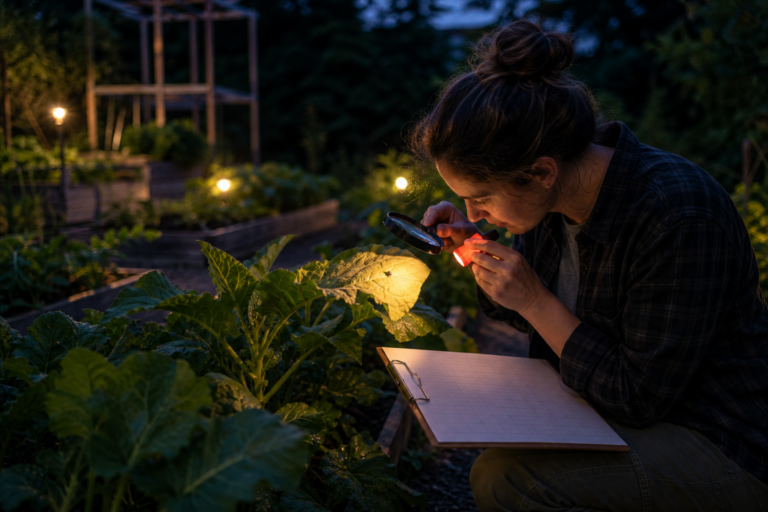
Spider mites: Difficult to see without close inspection, they cause speckled leaves and fine webbing.
Outdoor Nuisance Pests
-
Mosquitoes: Breed in standing water and make outdoor living spaces uncomfortable.
-
Ants: Some species are harmless, while others protect aphids or invade patios and pathways.
-
Wasps: Beneficial in some settings, but risky around seating areas and children.
-
Ticks: Often found in tall grass and shaded borders, posing a concern for people and pets.
Larger Garden Pests
-
Rodents: Mice and rats may eat seeds, bulbs, and ripening produce.
-
Rabbits and deer: These animals can strip young plants and damage ornamental beds.
-
Moles: Although they do not eat plants directly, their tunneling can disrupt roots and lawns.
Prevention: The Foundation of Effective Pest Control
Preventing pest problems is usually easier than correcting a severe infestation. Healthy plants are naturally more resilient, so strong garden care habits make a major difference.
-
Choose the right plants for the location: Plants suited to local soil, sunlight, and rainfall are less stressed and less vulnerable.
-
Space plants properly: Good airflow reduces fungal disease and discourages pests that thrive in crowded growth.
-
Water wisely: Overwatering can attract slugs, fungus gnats, and root issues, while drought stress can invite mites and other pests.
-
Keep the garden clean: Remove fallen fruit, dead leaves, and diseased plant material where pests may breed or hide.
-
Rotate crops: In vegetable gardens, moving crops each season helps prevent soil-borne pests and repeated infestations.
-
Inspect new plants: Nursery plants can introduce hidden insects or eggs into established beds.
Natural and Low-Impact Pest Control Methods
Many gardeners prefer to start with non-chemical solutions. These methods can be highly effective when used consistently and at the right time.
Encourage Beneficial Wildlife
Not all insects are harmful. Ladybirds, lacewings, hoverflies, ground beetles, and parasitic wasps feed on common pests. Birds, frogs, and hedgehogs may also help reduce insect populations. Planting nectar-rich flowers, reducing unnecessary pesticide use, and providing habitat can support these natural allies.
Use Physical Barriers
-
Netting can protect crops from birds, cabbage butterflies, and some larger pests.
-
Copper tape is often used around containers to deter slugs and snails.
-
Row covers protect young vegetables from flying insects and temperature stress.
-
Fencing can discourage rabbits and deer from reaching vulnerable beds.
Hand Removal and Traps
For small outbreaks, simply removing pests by hand can prevent a larger problem. Slugs can be collected in the evening, caterpillars can be picked off leaves, and sticky traps may help monitor whiteflies or other flying insects. This method is practical, affordable, and especially useful in smaller gardens.
When and How to Use Pest Treatments
If pests continue to spread despite preventative steps, treatment may be necessary. The key is to choose the least disruptive solution that addresses the specific pest.
Insecticidal soaps and horticultural oils are common options for soft-bodied pests such as aphids and mites. Biological controls, including nematodes or bacteria-based treatments, may target certain pests without affecting as many beneficial species. Granules, baits, and outdoor-safe sprays may also be used for ants, mosquitoes, or lawn pests when applied according to product directions.
Before using any treatment, read the label carefully. Timing matters. Spraying in the heat of the day can damage plants, and applying treatments when pollinators are active may harm bees and butterflies. Focus on affected areas rather than treating the entire garden unnecessarily.
Integrated Pest Management for Long-Term Success
One of the best strategies for garden and outdoor pest control is Integrated Pest Management, often called IPM. This approach uses a combination of methods to keep pests below damaging levels rather than trying to eradicate everything.
An IPM plan typically includes:
-
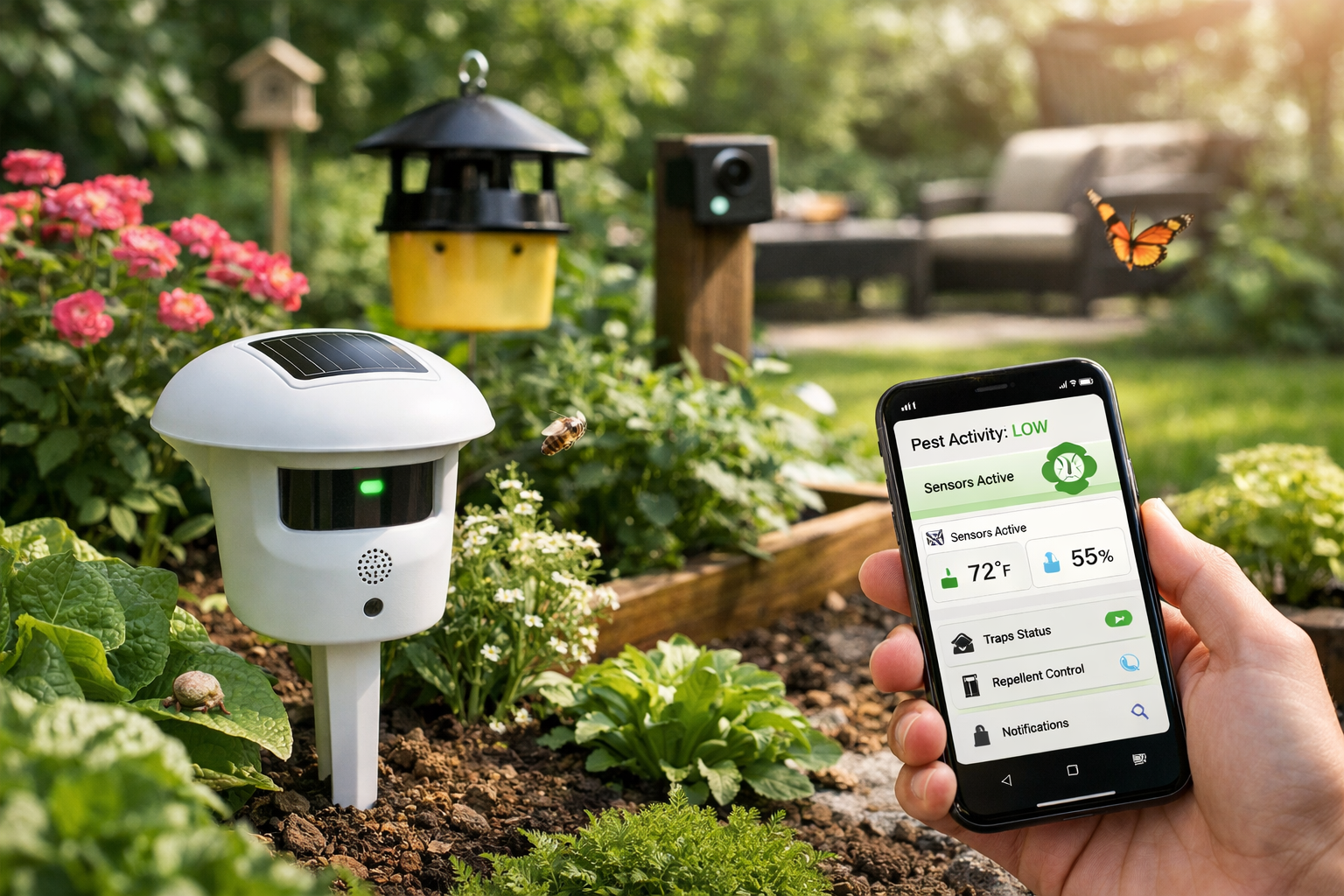
Regular monitoring of plants and outdoor areas
-
Correct identification of the pest
-
Setting action thresholds before treating
-
Using cultural and physical controls first
-
Applying targeted products only when needed
-
Reviewing results and adjusting methods over time
This balanced approach can reduce costs, protect beneficial organisms, and support a healthier outdoor ecosystem.
Seasonal Tips for Outdoor Pest Control
Spring
Inspect emerging growth for aphids, protect seedlings from slugs, and remove standing water before mosquito populations build.
Summer
Watch for mites, whiteflies, and caterpillars during hot weather. Mow lawns regularly and trim overgrown areas where ticks and mosquitoes may shelter.
Autumn
Clear plant debris, harvest remaining produce promptly, and repair fences or barriers before winter wildlife feeding increases.
Winter
Clean tools, disinfect pots if needed, and plan crop rotation or resistant plant choices for the coming season.
Final Thoughts
Garden and outdoor pest control works best when it is proactive, informed, and environmentally aware. By focusing on prevention, identifying problems early, and using targeted treatments only when necessary, you can protect your plants without upsetting the natural balance of your outdoor space.
A healthy garden is rarely pest-free, but it can be resilient. With the right mix of maintenance, observation, and smart intervention, your garden can remain attractive, productive, and welcoming throughout the year.