Sacred Seasons: Understanding Festivals and Observances Across Faith Traditions
The Meaning of Festivals and Observances in Religion and Spirituality
Festivals and observances occupy a central place in religious and spiritual life. They are more than dates on a calendar or moments of celebration; they are living expressions of belief, memory, gratitude, sacrifice, and hope. Through sacred days, communities revisit foundational stories, honor divine presence, remember ancestors, and renew ethical commitments. Whether solemn or joyful, private or communal, these occasions give structure to spiritual life and create rhythm within the year.
In many traditions, festivals connect the ordinary world with the sacred. They may commemorate a revelation, a harvest, a pilgrimage, a victory of good over evil, or the life of a prophet, saint, or enlightened teacher. Observances often include prayer, fasting, feasting, music, processions, offerings, or acts of service. While practices differ widely, the underlying purpose is often similar: to align human life with transcendent meaning.
How Sacred Time Shapes Human Experience
One of the most important functions of festivals is the creation of sacred time. Unlike secular schedules driven by work and routine, religious calendars interrupt ordinary life and invite reflection. Weekly sabbaths, monthly fasts, seasonal feasts, and annual holy days remind believers that time itself can be sanctified. By returning to the same observances year after year, communities preserve continuity with the past while transmitting values to future generations.
Sacred observances also help individuals experience time emotionally and spiritually. A season of fasting may cultivate discipline and humility. A festival of light may symbolize hope in darkness. A day of remembrance can renew awareness of mortality, gratitude, and moral responsibility. In this way, observances are not only commemorative; they are transformative.
Major Purposes of Religious Festivals
Although each faith has its own theology and ritual traditions, festivals and observances often serve several common purposes.
- Commemoration: remembering sacred events, historical turning points, or holy figures.
- Worship: offering prayer, praise, devotion, or thanksgiving.
- Community bonding: strengthening family ties and collective identity.
- Moral renewal: encouraging repentance, generosity, forgiveness, and service.
- Education: teaching children and new members the stories and symbols of the tradition.
- Celebration of cycles: marking seasonal changes, harvests, lunar phases, or new beginnings.
These purposes often overlap. A single observance may involve deep theological reflection alongside festive meals, charitable giving, and artistic expression.
Examples Across Religious Traditions
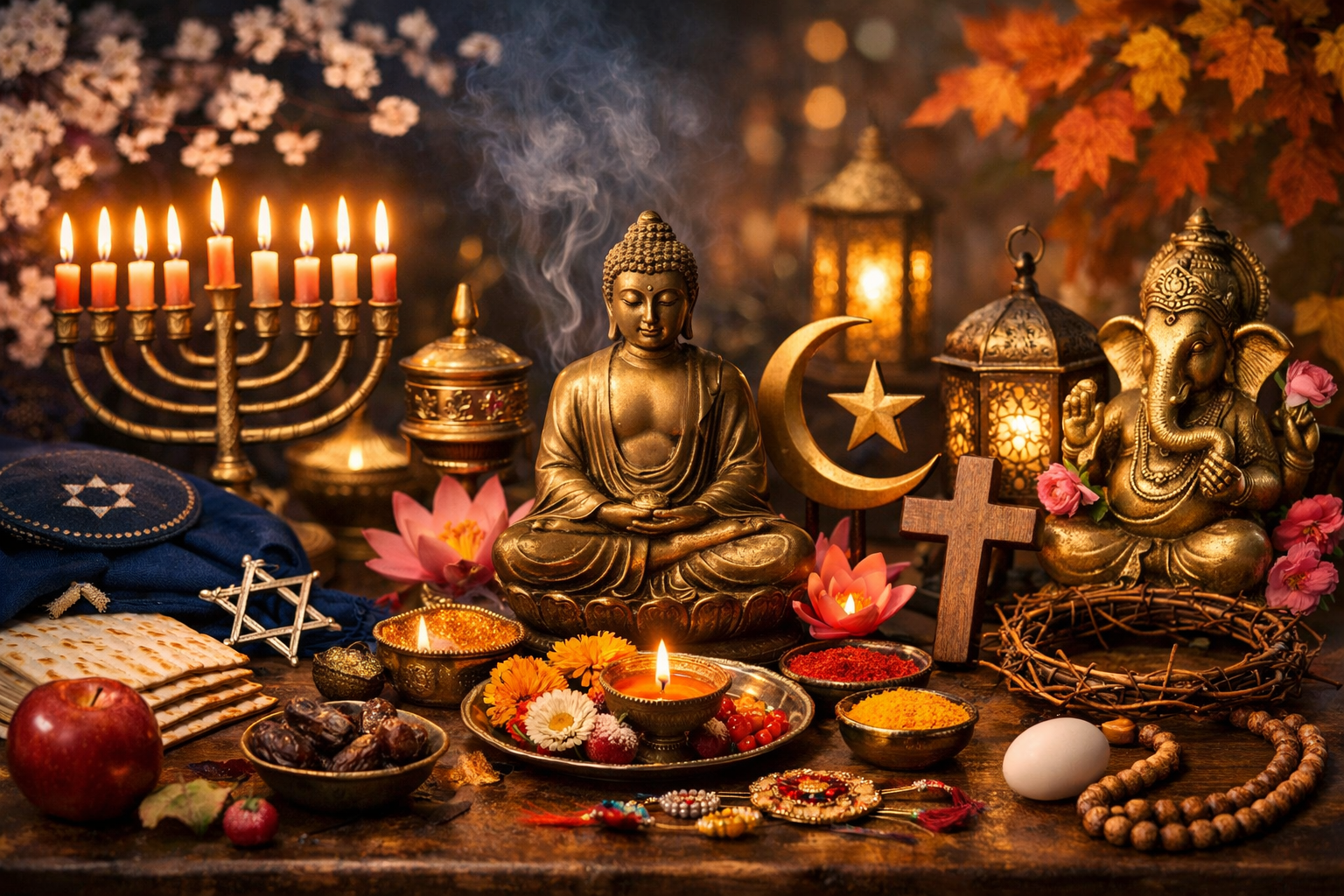
The diversity of religious festivals across the world is remarkable. In Christianity, observances such as Christmas and Easter commemorate the birth and resurrection of Jesus, while Lent invites repentance and spiritual preparation. In Islam, Ramadan is a month of fasting, prayer, and self-discipline, culminating in the joyous celebration of Eid al-Fitr; Eid al-Adha emphasizes sacrifice, charity, and remembrance of Abraham’s devotion.
In Hindu traditions, festivals such as Diwali, Holi, and Navratri bring together mythic symbolism, devotion, color, music, and communal gathering. In Judaism, Passover recalls liberation from slavery, Yom Kippur centers on atonement, and Hanukkah celebrates resilience and sacred dedication. Buddhist observances such as Vesak honor the birth, enlightenment, and passing of the Buddha, while many communities also keep meditation retreats and lunar holy days.
Sikh, Jain, Indigenous, Bahá’í, and many other spiritual communities likewise maintain rich calendars of observance. Some emphasize pilgrimage, some fasting, some dance or chant, and some silence or contemplation. This variety shows that spirituality is expressed not through one universal ritual form, but through many culturally rooted practices.
Shared Themes Across Traditions
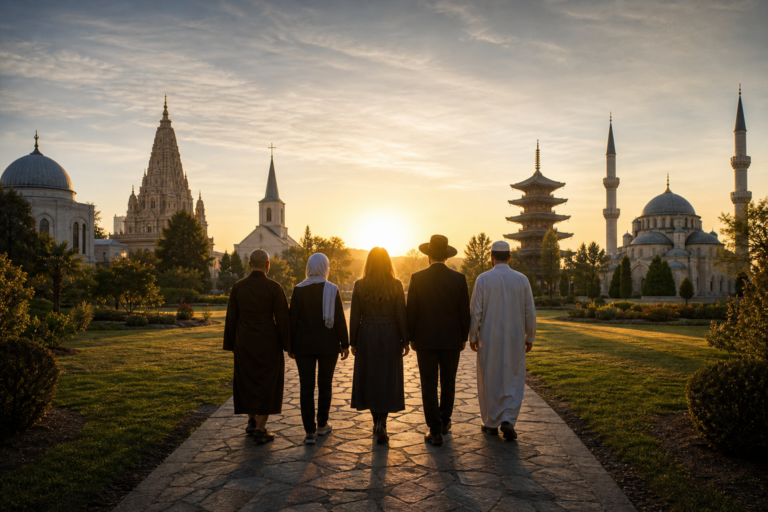
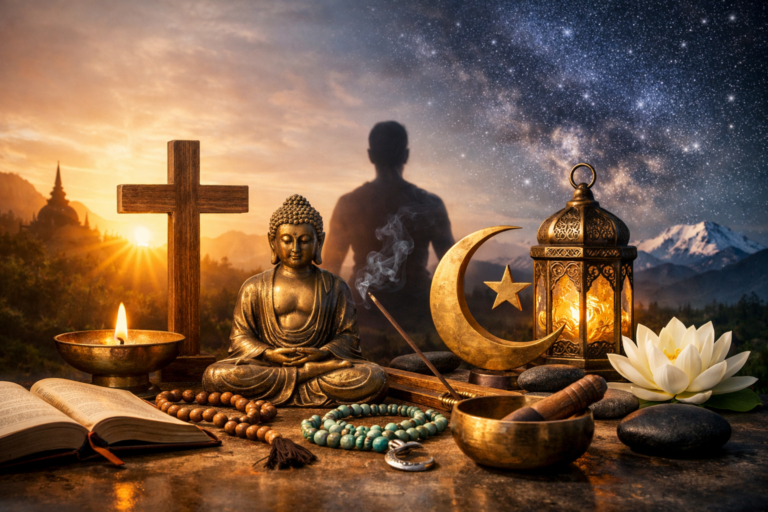
Despite their differences, many festivals share common themes. Light often represents truth, divine presence, or victory over ignorance. Water may symbolize purification and renewal. Food can express hospitality, blessing, and abundance. Fasting can cultivate inner clarity and solidarity with those in need. Pilgrimage reflects the spiritual journey of life itself. These recurring symbols help explain why people of different faiths can recognize echoes of meaning in one another’s observances, even without sharing the same beliefs.
The Social and Cultural Importance of Observances
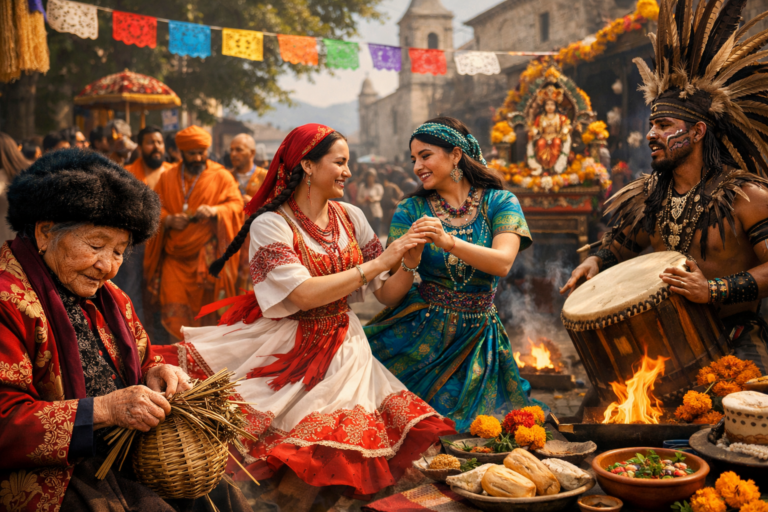
Festivals are not only religious acts; they are also powerful social institutions. They bring families together across generations, preserve languages and songs, and sustain local crafts, dress, and cuisine. In diasporic communities, observances often become especially important as markers of identity and belonging. A festival celebrated far from its place of origin can serve as a bridge between heritage and contemporary life.
Public observances can also shape civic culture. In many societies, major holy days influence national calendars, public holidays, charitable campaigns, and interfaith dialogue. At their best, festivals encourage hospitality and mutual respect by allowing others to witness or learn about a tradition in a meaningful way. Even those outside a faith community may come to appreciate the beauty, discipline, or moral vision embodied in its observances.
Personal Spiritual Impact
For individuals, participation in festivals and observances can be deeply formative. Repeated rituals anchor identity, especially during times of change, grief, or uncertainty. Lighting a candle, joining a prayer, sharing a meal, or observing a fast can create a sense of continuity that extends beyond the self. Many people describe holy days as moments when the spiritual becomes tangible—when memory, symbol, and community converge in a powerful experience of meaning.
Observances also offer opportunities for inner examination. A day of repentance may invite honesty and accountability. A feast day may awaken gratitude. A pilgrimage may test endurance and deepen faith. In spiritual life, transformation often occurs not only through belief, but through embodied practice repeated with intention.
Festivals in a Changing World
Modern life has altered how many observances are practiced. Globalization, migration, technology, and secularization have all reshaped sacred calendars. Livestreamed services, online prayer gatherings, and digital greetings now supplement traditional rituals. At the same time, commercialization can sometimes overshadow spiritual meaning, turning holy days into consumer events rather than occasions of reflection or devotion.
Yet festivals remain resilient. Communities continue to adapt while preserving what they consider essential. Younger generations often reinterpret traditions through new forms of music, art, activism, and ecological awareness. Many observances now incorporate concerns such as environmental stewardship, social justice, and interfaith solidarity, showing that sacred traditions can remain dynamic without losing their core significance.
Conclusion
Religion and spirituality find some of their most vivid expression in festivals and observances. These sacred occasions organize time, preserve memory, deepen devotion, and strengthen community. They remind people that life is not merely a sequence of tasks, but a journey marked by gratitude, discipline, celebration, and transcendence. Across cultures and faiths, festivals continue to reveal humanity’s enduring desire to connect everyday existence with higher meaning.