Living Heritage: How Traditions and Festivals Shape Culture and Society
The Meaning of Traditions and Festivals in Human Life
Culture and society are deeply intertwined, and one of the clearest ways they come alive is through traditions and festivals. These shared practices give communities a sense of continuity, belonging, and purpose. Whether expressed through seasonal celebrations, religious observances, rites of passage, music, dance, or food, traditions help people remember where they come from and what they value.
Festivals, in particular, transform culture into a public and collective experience. They bring people together in streets, homes, temples, churches, mosques, community halls, and village squares. In doing so, they strengthen social bonds and create memorable moments that often outlast ordinary daily routines. Even in rapidly changing societies, traditions and festivals remain powerful because they balance memory with renewal.
Why Traditions Matter
Traditions are repeated actions, beliefs, and customs passed from one generation to the next. Some are formal and ceremonial, while others are woven quietly into everyday life. Greeting elders in a respectful way, preparing a family dish on special occasions, or gathering annually for a community event are all examples of how traditions preserve identity.
One of their most important functions is cultural transmission. Children learn language, values, etiquette, and collective history by participating in family and community rituals. Through repetition, traditions teach what a group considers meaningful. They also offer emotional stability, especially during times of uncertainty, because familiar customs can provide comfort and reassurance.
Traditions also help define social roles and relationships. Weddings, naming ceremonies, harvest rituals, and memorial practices often communicate ideas about family, responsibility, respect, and belonging. While these customs may evolve over time, their social function remains significant: they create a shared framework for understanding life’s key moments.
The Social Power of Festivals
Festivals are often the most visible expressions of a society’s cultural richness. They may celebrate religious beliefs, historical milestones, agricultural cycles, national identity, or artistic heritage. Beyond celebration, festivals serve as social glue. They encourage participation across generations and social groups, allowing people to gather around common symbols and experiences.
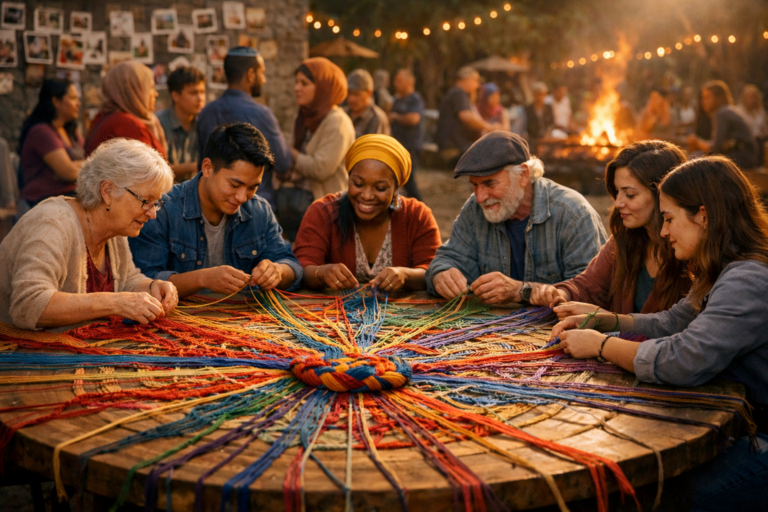
Many festivals rely on collective preparation. People decorate spaces, rehearse performances, cook traditional meals, prepare gifts, or wear special clothing. This teamwork reinforces cooperation and strengthens community ties. In many places, festivals are also times of hospitality, when neighbors, relatives, and visitors are welcomed generously.
Festivals can also support local economies. Markets, craft fairs, performances, tourism, and food stalls often create income for artisans, performers, and small businesses. In this way, cultural celebration becomes linked with economic activity, helping communities sustain both heritage and livelihood.
Common Roles Festivals Play in Society
-
Preserving history and collective memory
-
Strengthening family and community relationships
-
Encouraging artistic expression through music, dance, dress, and storytelling
-
Supporting local businesses and cultural tourism
-
Creating opportunities for intergenerational learning
-
Offering joy, reflection, and a sense of belonging
Diversity in Celebration Across the World
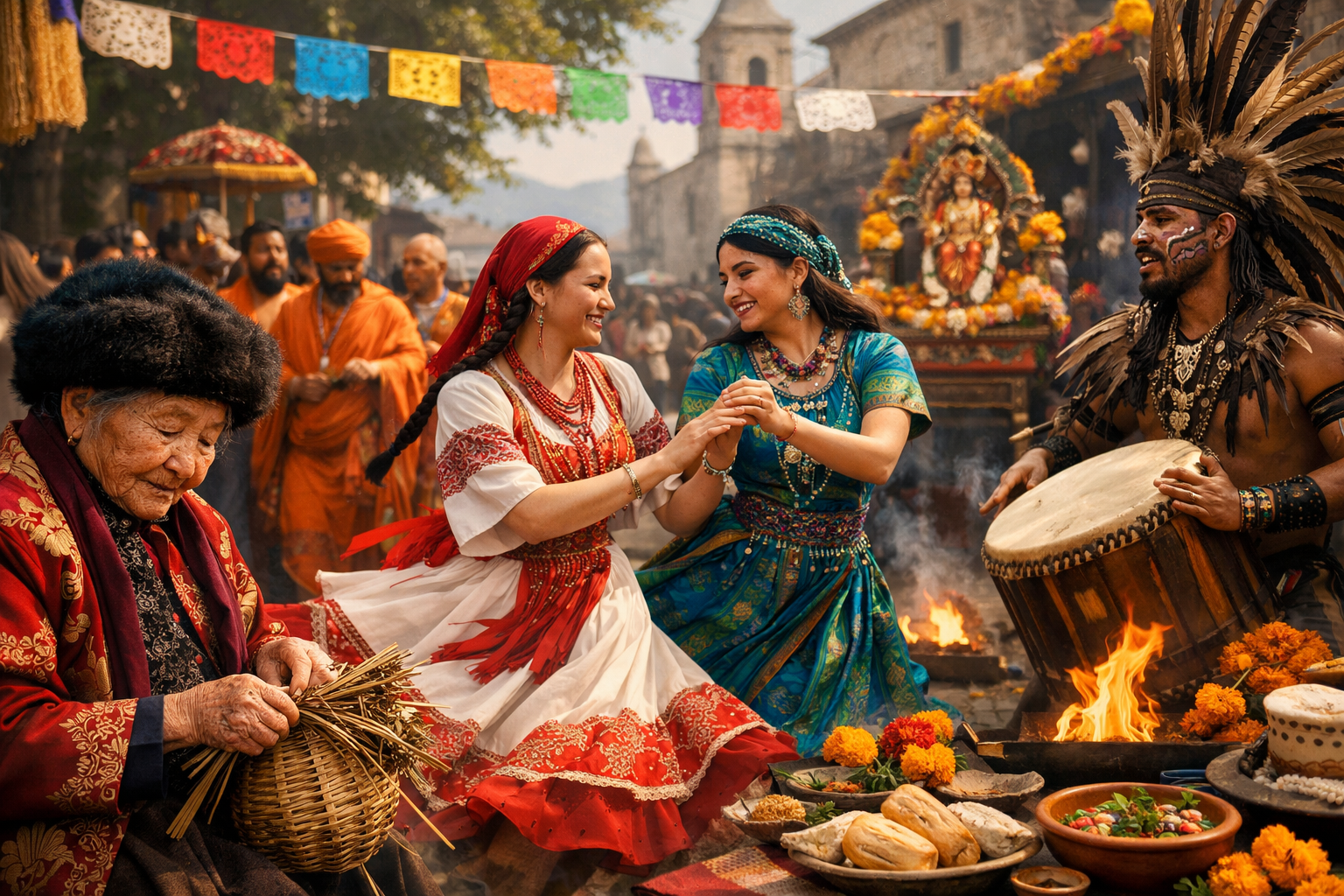
Although every society has its own customs, traditions and festivals often share common themes. Many mark the changing seasons, honor ancestors, celebrate renewal, or express gratitude. New Year festivals in different cultures may look very different, yet they frequently symbolize hope, cleansing, and a fresh beginning. Harvest festivals often center on thanksgiving, community labor, and the relationship between people and the land.
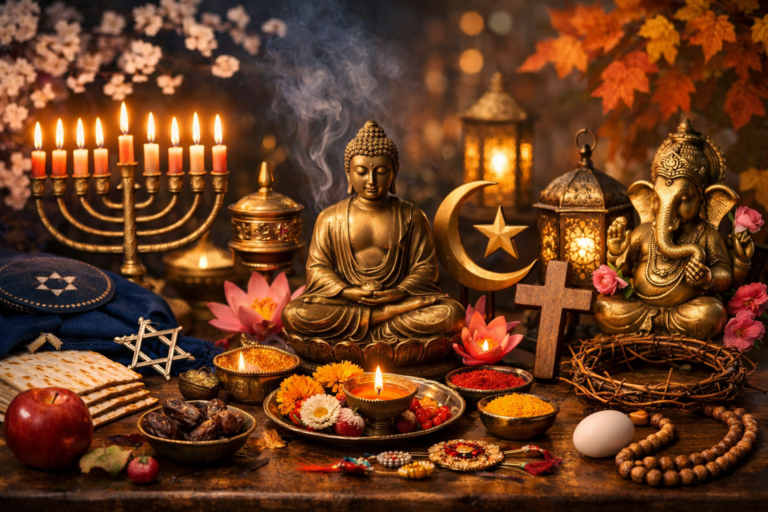
Religious festivals are especially important in many societies because they connect faith with daily life. They may include prayer, fasting, processions, charity, feasting, and acts of remembrance. At the same time, secular festivals can be equally meaningful, celebrating independence, regional identity, literature, film, or local history. What unites them is their ability to turn values into shared public practice.
Migration and globalization have also expanded the reach of many celebrations. Festivals once observed mainly within a specific region are now celebrated by diaspora communities around the world. This keeps cultural identity alive across borders while also introducing traditions to new audiences.
Change, Adaptation, and Modern Life
Traditions are often described as ancient, but they are not frozen in time. In reality, cultural practices adapt constantly. New technologies, urban lifestyles, migration, education, and social change all influence how people celebrate. A festival that once depended entirely on face-to-face gathering may now include livestreamed ceremonies, digital invitations, or online storytelling. Family recipes may be adapted for modern diets, while traditional clothing may be reinterpreted in contemporary design.
This adaptation is not necessarily a loss of authenticity. In many cases, it is what allows traditions to survive. A living tradition must remain meaningful to the people who practice it. When communities revise customs thoughtfully, they preserve the spirit of the tradition while making it relevant to current realities.
At the same time, modernization can create challenges. Commercialization may overshadow spiritual or communal meaning. Some festivals become tourist attractions and risk being simplified for spectacle. Younger generations may also feel distant from customs if they are presented as obligation rather than shared inheritance. This is why education, storytelling, and inclusive participation matter so much.
The Importance of Protecting Cultural Heritage
Protecting traditions and festivals is not only about preserving the past; it is also about safeguarding cultural diversity for the future. Languages, songs, rituals, crafts, and oral histories all carry knowledge that cannot be replaced once lost. Communities, schools, museums, and cultural organizations all play a role in documenting and revitalizing these practices.
Families remain especially important in this process. Many traditions survive not through official institutions but through ordinary acts: teaching a child a song, explaining the meaning of a ceremony, passing down a recipe, or inviting younger relatives to help prepare for a celebration. These moments turn heritage into lived experience rather than distant history.
Conclusion
Traditions and festivals are essential to culture and society because they express who people are, what they remember, and how they belong to one another. They preserve identity, strengthen community, and create spaces for joy, reflection, and connection. Even as the world changes, these customs continue to evolve, proving that heritage is not only something inherited—it is something actively lived, shared, and renewed.