Religion & Spirituality: How Beliefs and Practices Shape Human Life
Understanding Religion and Spirituality
Religion and spirituality are closely related, yet they are not always the same. Religion usually refers to organized systems of belief, worship, moral teaching, and community life centered on the sacred or divine. Spirituality often points to a more personal search for meaning, connection, inner peace, or transcendence. For many people, the two overlap completely. For others, spirituality exists outside formal religious institutions.
Throughout history, human societies have developed beliefs and practices to answer enduring questions: Why are we here? What happens after death? What is right and wrong? Is there a higher power, a sacred order, or a deeper truth beyond ordinary life? Religion and spirituality offer ways to explore these questions and to live in response to them.
The Role of Belief Systems
Beliefs form the foundation of religious and spiritual life. They shape how individuals interpret existence, suffering, purpose, and hope. In many traditions, beliefs concern the nature of God, gods, spirits, karma, enlightenment, salvation, the soul, creation, or the afterlife. These ideas are expressed through sacred texts, oral teachings, myths, doctrines, and philosophical reflection.
Belief systems do more than explain the universe. They also guide behavior. A person who believes in compassion as a divine command may prioritize charity and forgiveness. Someone who sees life as interconnected may practice nonviolence and mindfulness. In this way, beliefs become practical moral frameworks that affect family life, social responsibility, work, and decision-making.
Common Functions of Belief
-
Providing meaning and purpose in life
-
Offering moral guidance and ethical principles
-
Helping people cope with loss, uncertainty, and suffering
-
Creating a sense of identity and belonging
-
Connecting the individual to a larger reality or sacred presence
Core Religious and Spiritual Practices
Practices are the lived expression of belief. While doctrines may be taught in words, practices turn ideas into habits, rituals, and experiences. Across religions and spiritual paths, practices help people cultivate discipline, reverence, awareness, and community.
Prayer is one of the most widespread practices. It may involve praise, confession, gratitude, petition, or silent contemplation. Meditation is another major practice, often used to calm the mind, deepen awareness, and foster spiritual insight. Rituals, including ceremonies for birth, marriage, death, and seasonal observances, mark important transitions and connect individuals to tradition.
Acts of service are also central in many paths. Feeding the poor, caring for the sick, visiting the lonely, and working for justice are often seen as spiritual responsibilities. Pilgrimage, fasting, chanting, study, worship gatherings, and sacred festivals likewise help reinforce belief and deepen commitment.
Examples of Common Practices
-
Prayer and meditation for reflection and connection
-
Worship services and communal gatherings
-
Fasting and self-discipline to encourage focus and humility
-
Reading sacred texts and studying teachings
-
Charity, compassion, and service to others
-
Rites of passage and seasonal celebrations
Community, Tradition, and Identity
Religion is often deeply communal. Places of worship, shared rituals, and collective celebrations create strong bonds among members. These communities preserve language, stories, customs, music, and values across generations. They can offer emotional support, practical help, and a sense of belonging during both joyful and difficult times.
Tradition gives continuity to faith. Sacred calendars, dietary customs, dress, symbols, and ceremonies link the present with the past. At the same time, religious communities are not static. They respond to social change, reinterpret texts, and debate how ancient teachings should apply in modern life. This balance between continuity and change is one reason religion remains a vital force in many societies.
Spiritual identity can also be highly individual. Some people draw from multiple traditions, combining meditation, ethical living, nature reverence, or contemplative practices into a personal path. Whether communal or individual, spiritual identity often influences how people view themselves and their responsibilities toward others.
Religion, Ethics, and Daily Life
Beliefs and practices are not limited to temples, churches, mosques, synagogues, shrines, or meditation centers. They often shape everyday conduct. Religious and spiritual values may influence what people eat, how they spend money, how they treat neighbors, how they raise children, and how they respond to conflict.
Ethical teachings such as honesty, compassion, humility, justice, gratitude, and self-control appear in many traditions, though they are understood in different ways. For some, morality is rooted in divine command. For others, it arises from awareness, human dignity, or the interdependence of all life. In either case, spiritual practice often aims not only at belief but at character formation.
Diversity Across Traditions
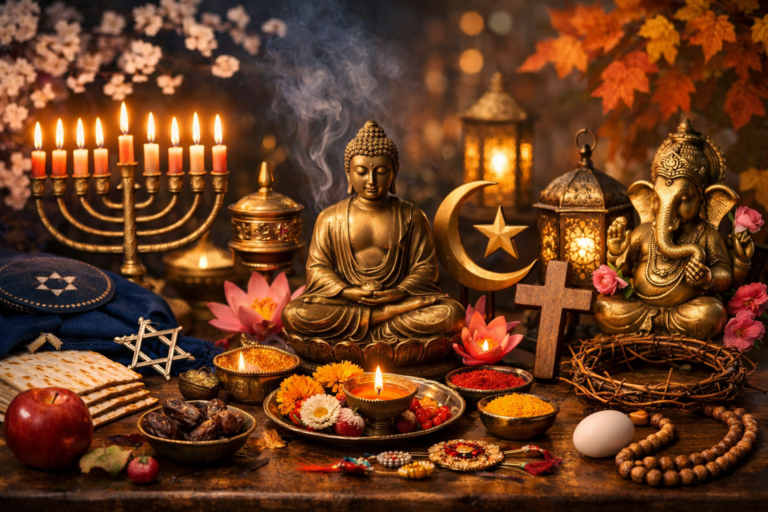
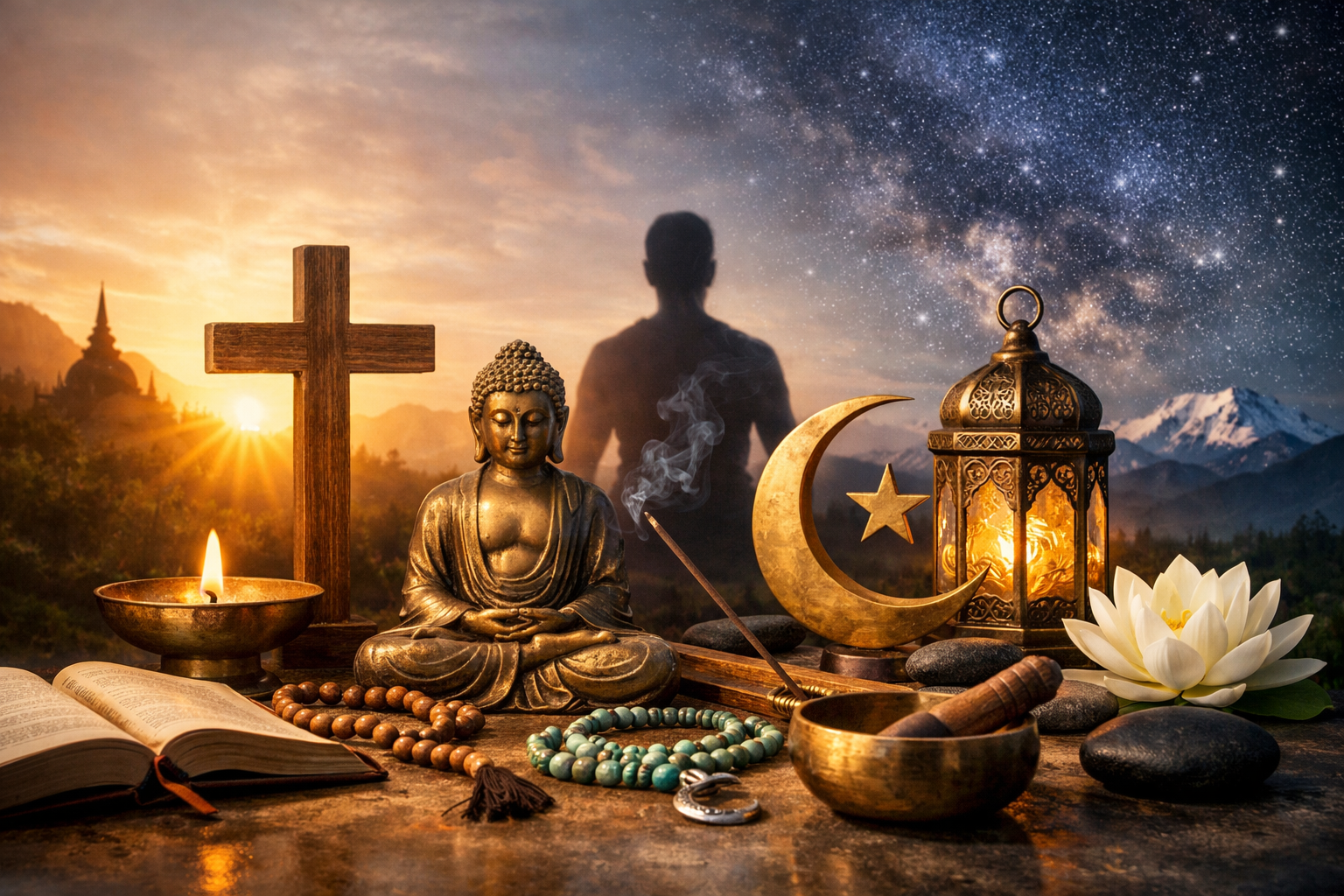
The world contains tremendous religious and spiritual diversity. Major traditions such as Christianity, Islam, Hinduism, Buddhism, Judaism, Sikhism, and Indigenous religions each offer distinct teachings and practices. There are also newer movements, mystical traditions, secular spiritualities, and personal paths that do not fit neat categories.
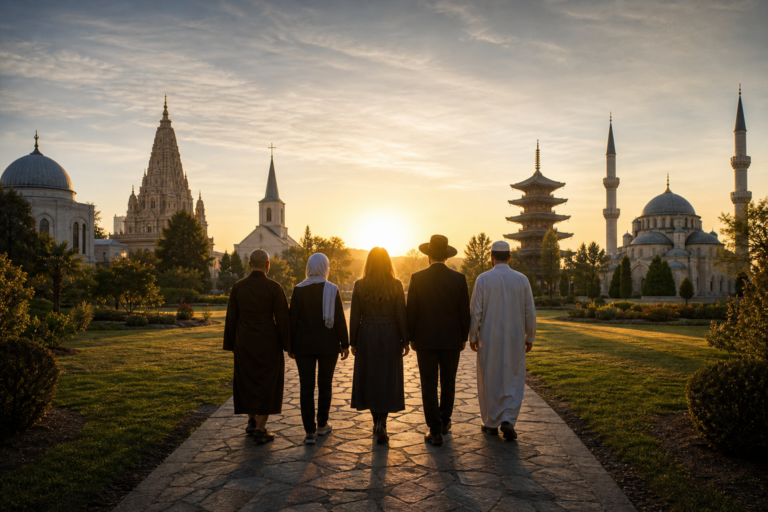
This diversity reminds us that people approach the sacred in many ways. Some traditions emphasize devotion to a personal God, while others focus on wisdom, liberation, balance, or harmony with nature. Some rely heavily on scripture and formal ritual; others prioritize direct experience. Understanding this variety encourages respect, dialogue, and cultural literacy.
Modern Spirituality in a Changing World
In the modern era, religion and spirituality continue to evolve. Globalization, migration, technology, and social change have increased contact between traditions. People can now access sacred texts, teachings, and communities from around the world with unprecedented ease. This has encouraged both interfaith understanding and renewed interest in personal spiritual exploration.
At the same time, modern life can create tension. Questions about science, identity, authority, and social justice challenge religious institutions and believers alike. Yet many people still turn to spiritual practices for grounding, resilience, and hope. Meditation apps, online worship, retreat culture, and interfaith conversations show how ancient needs are finding new forms of expression.
Conclusion
Religion and spirituality remain powerful dimensions of human experience because they address fundamental needs: meaning, belonging, moral direction, and connection with what is held to be sacred. Beliefs provide the vision; practices embody it. Together, they shape individuals, communities, cultures, and civilizations.
Whether expressed through formal religion, personal spirituality, or a blend of both, beliefs and practices continue to help people navigate life’s deepest questions. In a diverse and changing world, understanding these traditions is essential not only for knowledge, but also for empathy and mutual respect.