
Travel Smarter: Practical Tips for Smoother, More Meaningful Trips
Plan Enough to Feel Prepared, Not Overbooked
The best trips usually begin before you leave home. A well-considered plan can prevent expensive mistakes, but an overly packed itinerary can make travel feel like a race. Start by identifying your main priorities: a few essential sights, local foods you want to try, experiences that matter to you, and the amount of downtime you need. Build your itinerary around those priorities instead of trying to see everything.
Research practical details early, including visa requirements, local transportation, weather patterns, opening hours, and common payment methods. Save important addresses, reservation confirmations, and emergency contacts in both your phone and an offline format. Download maps for offline use, especially if you are visiting rural areas or expect unreliable mobile service.
Leave Room for Spontaneity
Schedule major activities in advance when necessary, such as popular museums, train journeys, guided tours, or restaurants with limited seating. Then leave open blocks in your day for wandering, resting, or following local recommendations. Some of the most memorable travel moments happen when you discover a quiet neighborhood cafe, an outdoor market, or a viewpoint that was never on your original list.
Pack Light and Pack With Purpose
Overpacking is one of the quickest ways to make a trip more difficult. Heavy luggage slows you down in airports, train stations, crowded sidewalks, and small hotel rooms. Aim to pack versatile clothing that can be layered, mixed, and worn more than once. Neutral colors, comfortable shoes, and weather-appropriate outerwear can cover most situations without filling an oversized suitcase.
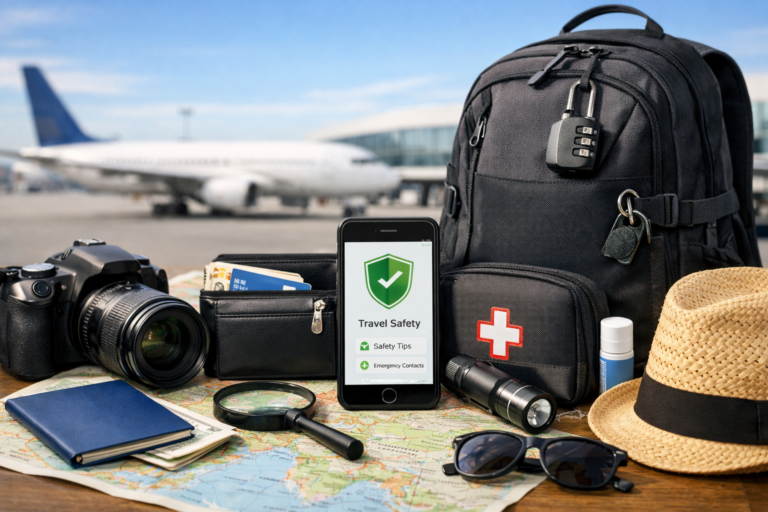
- Use packing cubes or small bags to organize clothing, toiletries, and electronics.
- Keep medication, travel documents, a charger, and one change of clothes in your carry-on.
- Bring a reusable water bottle, compact tote bag, and lightweight rain layer.
- Check airline baggage rules before departure to avoid surprise fees.
- Leave some extra space for souvenirs rather than bringing a second bag.
Before packing, review your itinerary honestly. Beach clothes are not necessary for every day of a city break, and formal outfits may not be needed at all. Packing less gives you more mobility and reduces the chance of losing important belongings.
Protect Your Money, Documents, and Digital Life
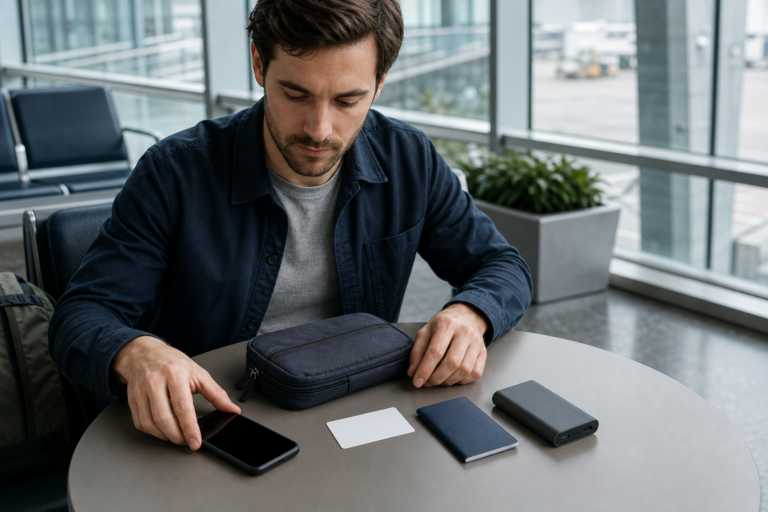
Financial preparation is a core part of smart travel. Notify your bank when required, carry more than one payment method, and keep a small amount of local currency for taxis, tips, small purchases, or places that do not accept cards. Avoid carrying all your cash in one location. Divide it between a secure wallet, a hotel safe, and a hidden backup spot.
Make digital copies of your passport, insurance policy, travel itinerary, and emergency contacts. Store them in a secure cloud service that you can access if your phone or bag is lost. It is also wise to use strong passwords, enable two-factor authentication, and avoid logging into sensitive accounts through unsecured public Wi-Fi. A virtual private network can add an extra layer of protection when you need to connect on the go.
Prepare for the Unexpected
Travel insurance can be valuable for medical emergencies, cancellations, delays, and lost baggage. Read the policy carefully so you understand what is covered. Keep the insurer’s emergency phone number handy, and learn the local emergency number at your destination. Preparation does not remove every risk, but it helps you respond calmly when plans change.
Eat, Move, and Rest Like a Traveler, Not a Tourist on a Deadline
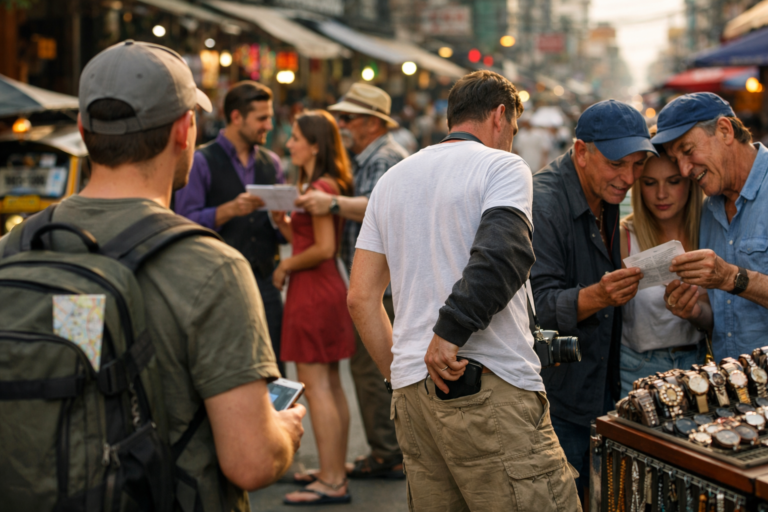
Food is one of the most rewarding ways to understand a destination. Look beyond the busiest restaurants near major attractions and seek out neighborhood markets, family-run cafes, and places frequented by residents. Ask hotel staff, shop owners, or tour guides where they personally eat. When trying unfamiliar food, start slowly if you have dietary sensitivities, and always carry any necessary allergy information translated into the local language.
Local transportation can also reveal more of a place than taxis alone. Learn how the metro, buses, ferries, or bike-sharing systems work. Walking is often the best way to notice architecture, street life, small businesses, and hidden parks. Comfortable shoes are one of the most useful items you can bring.
Do not underestimate rest. Jet lag, long travel days, and constant decision-making can drain your energy. Plan lighter activities on arrival days, drink plenty of water, and give yourself permission to return to your accommodation early. A rested traveler is more patient, observant, and open to new experiences.
Travel Respectfully and Responsibly
Responsible travel begins with respect for the people and places that welcome you. Learn a few basic phrases such as hello, thank you, excuse me, and please. Follow local customs around dress, photography, religious spaces, tipping, and public behavior. Small gestures of consideration can create warmer interactions and prevent unintentional offense.
Choose sustainable habits whenever possible. Carry reusable items, refill water where safe, avoid unnecessary single-use plastics, and support locally owned businesses. Stay on marked trails, do not disturb wildlife, and avoid attractions that exploit animals or damage fragile environments. Spending thoughtfully helps ensure that tourism benefits local communities rather than placing additional strain on them.
Keep a Flexible Mindset
Flights get delayed, weather changes, reservations disappear, and some attractions simply do not live up to expectations. Instead of letting setbacks define your trip, treat them as part of the experience. A missed connection may lead to an unexpected overnight stop; a rainy afternoon might become the perfect reason to visit a museum or spend time in a local bakery.
The most useful travel tip is simple: stay curious. Plan carefully, protect the essentials, and remain open to what you cannot predict. When you balance preparation with flexibility, you create space for a journey that feels smoother, safer, and far more memorable.