Why a Metal Spoon Feels Colder Than a Wooden One
Two spoons can share the same room temperature and feel different to your hand. A simple comparison introduces heat flow, conductors, and the limits of touch.

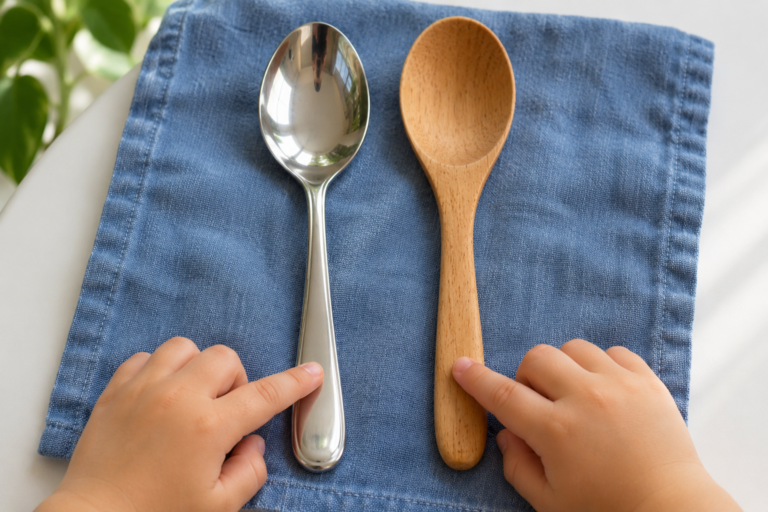
Two spoons can share the same room temperature and feel different to your hand. A simple comparison introduces heat flow, conductors, and the limits of touch.
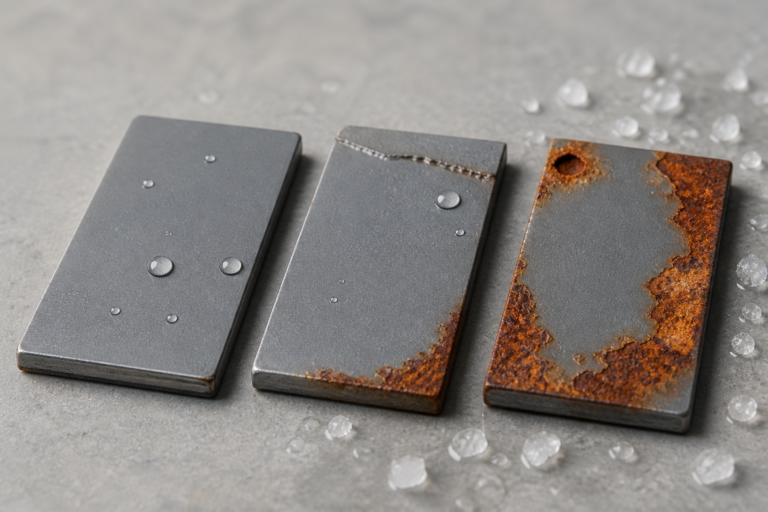
Rust is not a simple countdown from new metal to failure. It is an electrochemical process shaped by moisture, oxygen, salts, geometry, coatings and maintenance. Learn how to read the conditions that speed or slow the rust clock.
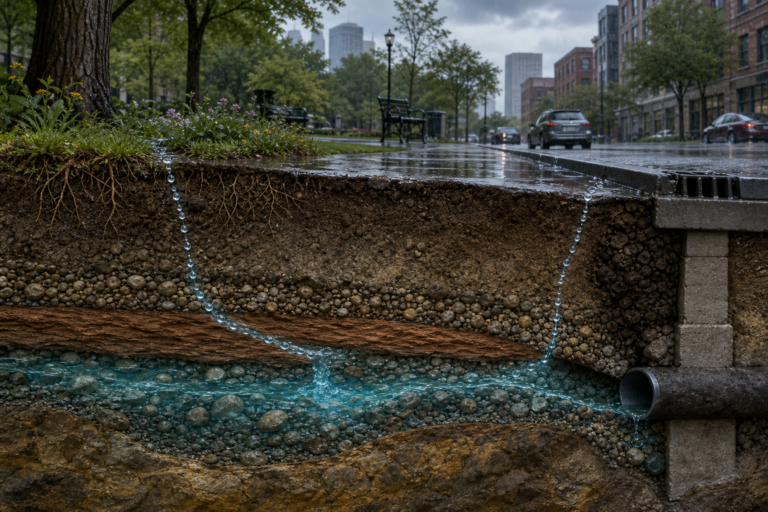
Follow one imagined raindrop from a city roof to soil, fractured rock and groundwater. Its route reveals why pavement changes recharge, why pumping can lower land and why sinkholes and subsidence are related—but not interchangeable—urban hazards.
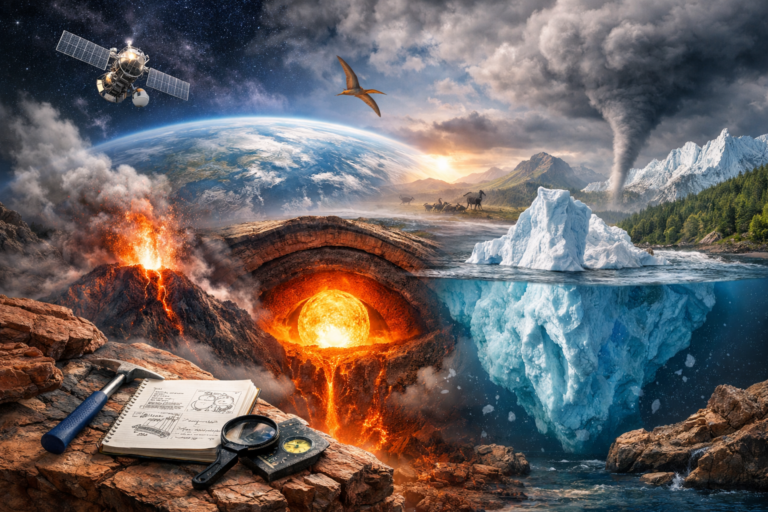
Earth science explores the systems that shape our planet, from deep interior processes to atmospheric change and ocean circulation. It connects geology, meteorology, oceanography, and environmental science to explain how Earth works as an evolving whole.
Chemistry explains how matter is built, transformed, and used in everything from medicine to energy. It connects invisible atomic interactions to the materials, technologies, and biological processes that shape modern life.