
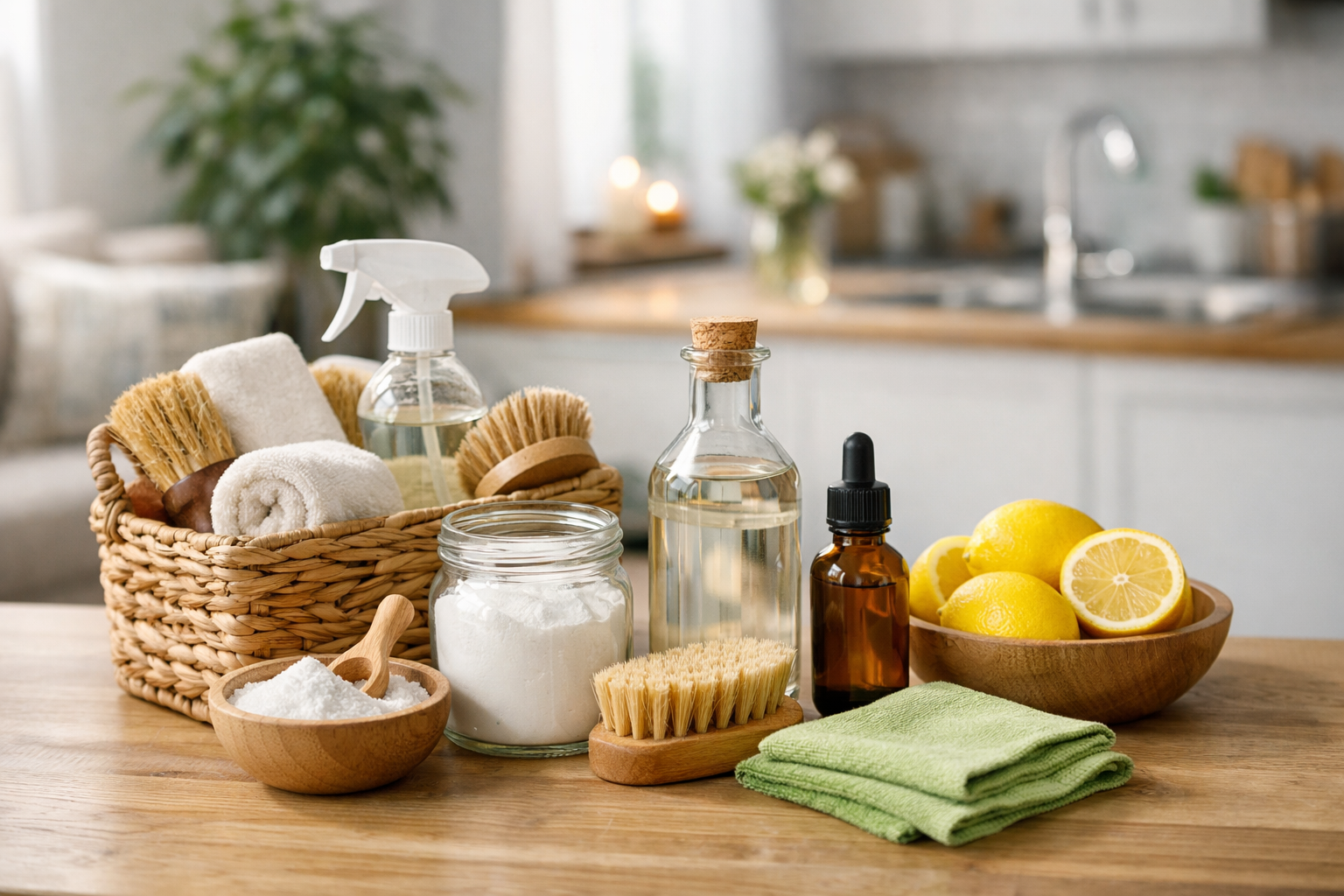
Smarter Cleaning at Home: Practical DIY Methods for a Healthier, Better-Looking Space
Why Smart Cleaning Matters in Every Home
Cleaning is more than a cosmetic task. A tidy, well-maintained home supports better indoor air quality, reduces allergens, protects surfaces from premature wear, and creates a more comfortable living environment. In the world of home, DIY and improvement, cleaning is one of the simplest and most affordable ways to preserve the value of a property without major renovation costs.
Instead of waiting for dirt, soap scum, grease, or clutter to become overwhelming, a smart cleaning approach focuses on consistency, the right tools, and easy habits that fit into everyday life. The goal is not perfection. It is creating a home that is easier to manage, healthier to live in, and more enjoyable to use.
Build a Simple DIY Cleaning System
One of the biggest obstacles to effective cleaning is the lack of a clear system. When supplies are scattered and tasks are undefined, cleaning feels more time-consuming than it really is. A practical DIY cleaning routine starts with organization.
Essential Cleaning Supplies to Keep on Hand
- Microfiber cloths for dusting and wiping surfaces
- A vacuum with attachments for floors, corners, and upholstery
- A mop suitable for your flooring type
- A soft-bristle scrub brush for tile and grout
- Dish soap for general degreasing
- White vinegar for glass, mineral buildup, and light deodorizing
- Baking soda for gentle scrubbing and odor control
- Spray bottles for diluted DIY cleaning solutions
- Rubber gloves to protect hands during heavier cleaning tasks
Labeling homemade cleaners and storing them in a caddy makes room-to-room cleaning faster. It also prevents overbuying specialty products that often duplicate the purpose of basic household supplies.
Room-by-Room Cleaning Strategies
Kitchen: Focus on Grease, Food Residue, and Daily Reset
The kitchen collects grime quickly because of cooking oils, crumbs, spills, and moisture. A strong kitchen cleaning routine should include wiping countertops daily, sanitizing high-touch areas such as cabinet handles and faucet levers, and sweeping the floor regularly.
For a simple DIY approach, warm water mixed with a small amount of dish soap can handle many everyday messes. Baking soda is useful for scrubbing sinks and removing stubborn residue without scratching most surfaces. To reduce deep-cleaning time, get into the habit of cleaning while cooking. Wipe splatters as they happen, load dishes promptly, and empty the trash before odors develop.
Bathroom: Control Moisture and Prevent Buildup
Bathrooms require regular attention because moisture encourages mildew, soap scum, and mineral deposits. Ventilation is just as important as cleaning products. Run the exhaust fan during and after showers, and dry wet surfaces when possible.
A vinegar-based solution can help loosen hard water spots on glass and fixtures, while baking soda works well for tubs, sinks, and tile grout. Clean mirrors with a lint-free microfiber cloth for a streak-free finish. To make the bathroom easier to maintain, keep a small squeegee in the shower and use it after each use. This simple habit can significantly reduce water marks and residue.
Living Areas and Bedrooms: Reduce Dust and Clutter
In living spaces, dust tends to settle on shelves, electronics, blinds, baseboards, and fabric furniture. Start high and work down so dust does not fall onto freshly cleaned surfaces. Wash throw blankets, pillow covers, and curtains on a regular schedule to keep rooms feeling fresh.
Clutter control is part of cleaning, too. The fewer unnecessary items left on surfaces, the easier it is to dust and vacuum thoroughly. Use baskets, bins, and drawer organizers to create a place for everyday items such as remotes, chargers, mail, and toys.
Floors: Match the Method to the Material
Floor care should always be matched to the surface. Hardwood, laminate, tile, vinyl, and carpet all require different levels of moisture and cleaning intensity. Vacuuming or sweeping frequently prevents grit from scratching hard flooring and stops debris from embedding in carpet fibers.
Use only the amount of water recommended for your floor type, especially on wood and laminate. Area rugs should be shaken out, vacuumed, and rotated periodically to promote even wear. Entry mats also help reduce the amount of dirt tracked through the home in the first place.
DIY Cleaning Solutions That Are Actually Useful
Homemade cleaners can be cost-effective and practical when used correctly. However, they should be chosen carefully based on the material being cleaned. Not all natural solutions are suitable for every surface.
- All-purpose light cleaner: Warm water with a few drops of dish soap for counters, sealed surfaces, and general wiping
- Glass cleaner: Diluted vinegar with water for mirrors and glass, unless the manufacturer recommends otherwise
- Odor absorber: Baking soda in trash bins, shoes, and refrigerators
- Gentle scrub: Baking soda paste for sinks, tubs, and some stained surfaces
Always test a DIY cleaner in a hidden area first. Avoid acidic cleaners like vinegar on natural stone surfaces such as marble or granite, as they can cause etching and long-term damage.
Cleaning Habits That Save Time
The most effective cleaning routines are built on small repeated actions. A few minutes of daily maintenance often prevents hours of work later.
- Make the bed each morning to instantly improve the look of the bedroom
- Wipe bathroom counters after use
- Clean kitchen spills immediately
- Sort mail before it piles up
- Do a quick evening reset of common areas
- Vacuum high-traffic areas more often than the full house
These habits make cleaning feel less like a major event and more like a manageable part of home care. They also help homeowners notice maintenance issues early, such as leaks, mold growth, or damaged caulking.
When Cleaning Becomes Home Improvement
Cleaning and home improvement often overlap. Deep cleaning reveals what needs repair, repainting, resealing, or replacement. A freshly cleaned tile floor may expose cracked grout. Dust-free windows may show worn weatherstripping. A decluttered garage may finally make space for shelving or tool storage upgrades.
In this way, cleaning is not just maintenance. It is a diagnostic tool that helps homeowners understand the condition of their space. By treating cleaning as part of regular home improvement, you protect finishes, improve comfort, and reduce the likelihood of expensive problems developing unnoticed.
Final Thoughts
A clean home does not require expensive products or complicated routines. It requires practical systems, the right basic supplies, and steady habits that keep messes under control. Whether you are tackling kitchen grease, bathroom buildup, dusty furniture, or dirty floors, a thoughtful DIY cleaning strategy can transform the way your home looks and feels. Start small, stay consistent, and let cleaning become one of the easiest improvements you make to your home.