
Smart Wheels, Smarter Choices: A Practical Buying Guide for Automotive & Transport
Why a Buying Guide Matters in Automotive & Transport
The automotive and transport market is broader than ever, covering family cars, electric vehicles, motorcycles, vans, commercial fleets, and even personal mobility solutions. With so many choices available, buyers often focus too heavily on the purchase price and overlook the bigger picture. A smart buying decision should consider reliability, running costs, safety, finance options, and how well the vehicle or transport service fits everyday needs.
Whether you are buying your first car, upgrading a company vehicle, or choosing a transport solution for regular commuting, the right approach begins with careful planning. A structured buying guide helps reduce risk, avoid unnecessary spending, and improve long-term satisfaction.
Start with Your Real-World Needs
Before comparing brands or browsing listings, define exactly how the vehicle or transport option will be used. A compact hatchback may be ideal for city driving, while a larger SUV or van could be better for growing families or business deliveries. Matching the vehicle to your lifestyle is one of the most important parts of the buying process.
Questions to Ask Before You Buy
- How many passengers will regularly travel in the vehicle?
- Will it be used mainly in the city, on highways, or on mixed routes?
- How much cargo or equipment needs to be carried?
- Do you need towing capacity or off-road capability?
- What is your expected annual mileage?
- Are fuel efficiency and low emissions a priority?
By answering these questions early, you can narrow your options and avoid paying for features you do not actually need.
Set a Full Budget, Not Just a Purchase Price
One of the most common mistakes in automotive buying is focusing only on the sticker price. The true cost of ownership includes several ongoing expenses that can significantly affect affordability over time. Even a lower-priced vehicle can become expensive if it has poor fuel economy, high insurance costs, or frequent maintenance needs.
Key Ownership Costs to Consider
- Purchase price or monthly finance payment
- Insurance premiums
- Fuel or charging costs
- Routine servicing and maintenance
- Repairs and replacement parts
- Road tax, registration, and licensing fees
- Depreciation and resale value
It is wise to estimate costs over three to five years rather than only looking at the upfront expense. This gives a more realistic picture of value.
New vs Used: Which Is Better?
Choosing between a new and used vehicle depends on your priorities. New vehicles offer the latest technology, full warranties, and the confidence of a clean service history. They are often more fuel-efficient and safer thanks to updated driver assistance systems. However, they also cost more and usually lose value faster during the first few years.
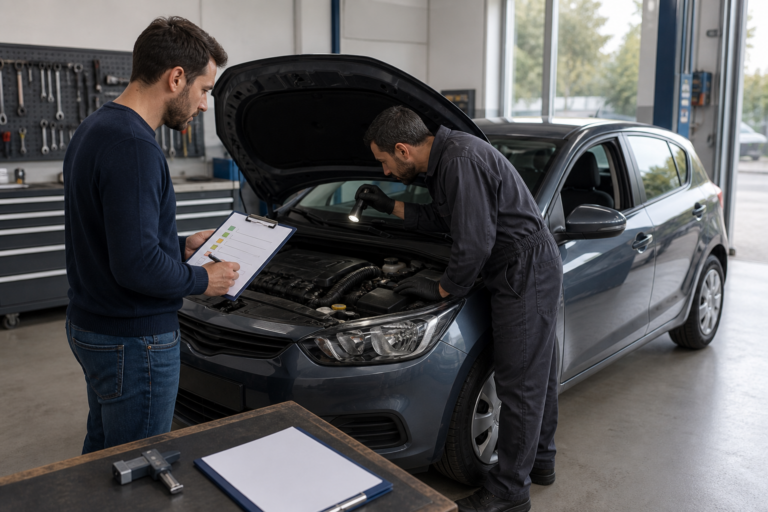
Used vehicles can offer excellent value, especially if they have been well maintained and come with a complete service record. Buyers should inspect used vehicles carefully and, when possible, arrange a professional mechanical check. A lower purchase price is attractive, but hidden wear or unresolved issues can turn a bargain into a costly mistake.
When Buying Used, Check:
- Service and maintenance history
- Mileage and general condition
- Tyre wear and brake condition
- Signs of accident damage or poor repairs
- Ownership documents and vehicle identification details
- Warning lights, electronics, and onboard systems
Consider Fuel Type and Powertrain
Modern buyers can choose from petrol, diesel, hybrid, plug-in hybrid, and fully electric models. Each has advantages depending on distance, driving conditions, and local infrastructure. Petrol vehicles are often suitable for shorter and mixed journeys. Diesel may still work well for long-distance or heavy-duty use, though emissions regulations are tightening in many areas.
Hybrid and electric vehicles are increasingly popular because of lower emissions and reduced running costs. However, buyers should evaluate charging access, battery range, and local incentives before deciding. A vehicle that looks efficient on paper may be less practical if charging stations are limited or if long trips are frequent.
Safety Should Never Be Optional
Safety is one of the most important factors in any transport purchase. Beyond airbags and anti-lock brakes, modern vehicles often include advanced driver assistance features that improve protection and help prevent accidents. Families, commercial operators, and daily commuters should all pay close attention to crash ratings and active safety technology.
Important Safety Features
- Electronic stability control
- Automatic emergency braking
- Lane departure warning or lane-keeping assist
- Blind-spot monitoring
- Rearview camera and parking sensors
- Adaptive cruise control
- High safety test ratings from trusted organizations
A slightly higher purchase cost can be worthwhile if it means better occupant protection and stronger long-term peace of mind.
Test Drive Before Making Any Decision
A test drive is more than a quick spin around the block. It is your chance to assess comfort, visibility, steering response, cabin noise, braking feel, and ease of use. Make sure the seating position is comfortable, controls are intuitive, and there is enough space for passengers and luggage. If possible, drive on both urban roads and faster routes to get a complete impression.
For transport-focused business vehicles, assess loading practicality, turning radius, and ease of entry. A vehicle that looks ideal online may feel very different in real conditions.
Review Finance, Warranty, and After-Sales Support
Financing options can shape the affordability of any purchase. Compare loan rates, lease terms, deposit requirements, and total repayment figures rather than only looking at the monthly payment. A lower monthly cost may hide a longer term or higher total expense.
Warranty coverage and after-sales support also matter. A strong manufacturer warranty, accessible service network, and good availability of parts can reduce future stress and costs. For used vehicles, ask whether an extended warranty is available and what it actually covers.
Final Buying Tips
The best automotive and transport purchase is one that balances function, cost, safety, and long-term reliability. Avoid rushed decisions, compare multiple options, and verify all paperwork before committing. Research reviews, inspect thoroughly, and always think beyond the showroom appeal.
- Define your main transport needs clearly
- Calculate total ownership costs
- Compare new and used options carefully
- Prioritize safety and reliability
- Test drive and inspect before buying
- Review finance and warranty details in full
With the right preparation, buyers can choose a vehicle or transport solution that delivers value, comfort, and confidence for years to come.