Gaming and Esports: How Competitive Play Became a Global Digital Arena
The Rise of Gaming and Esports
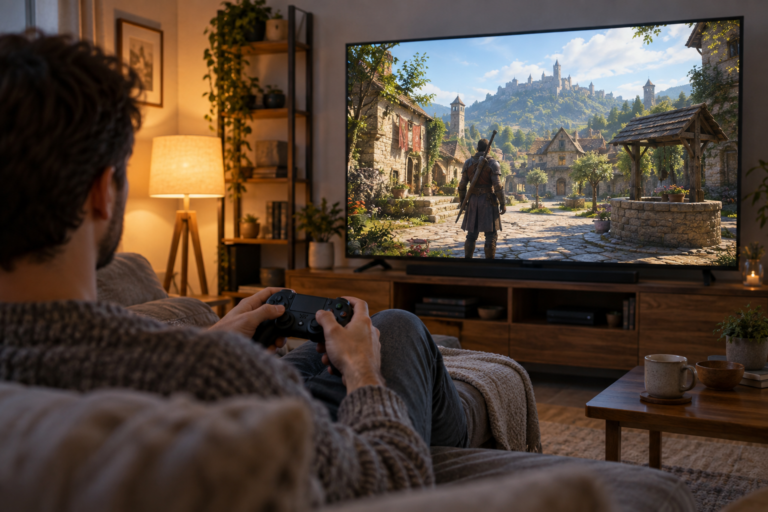
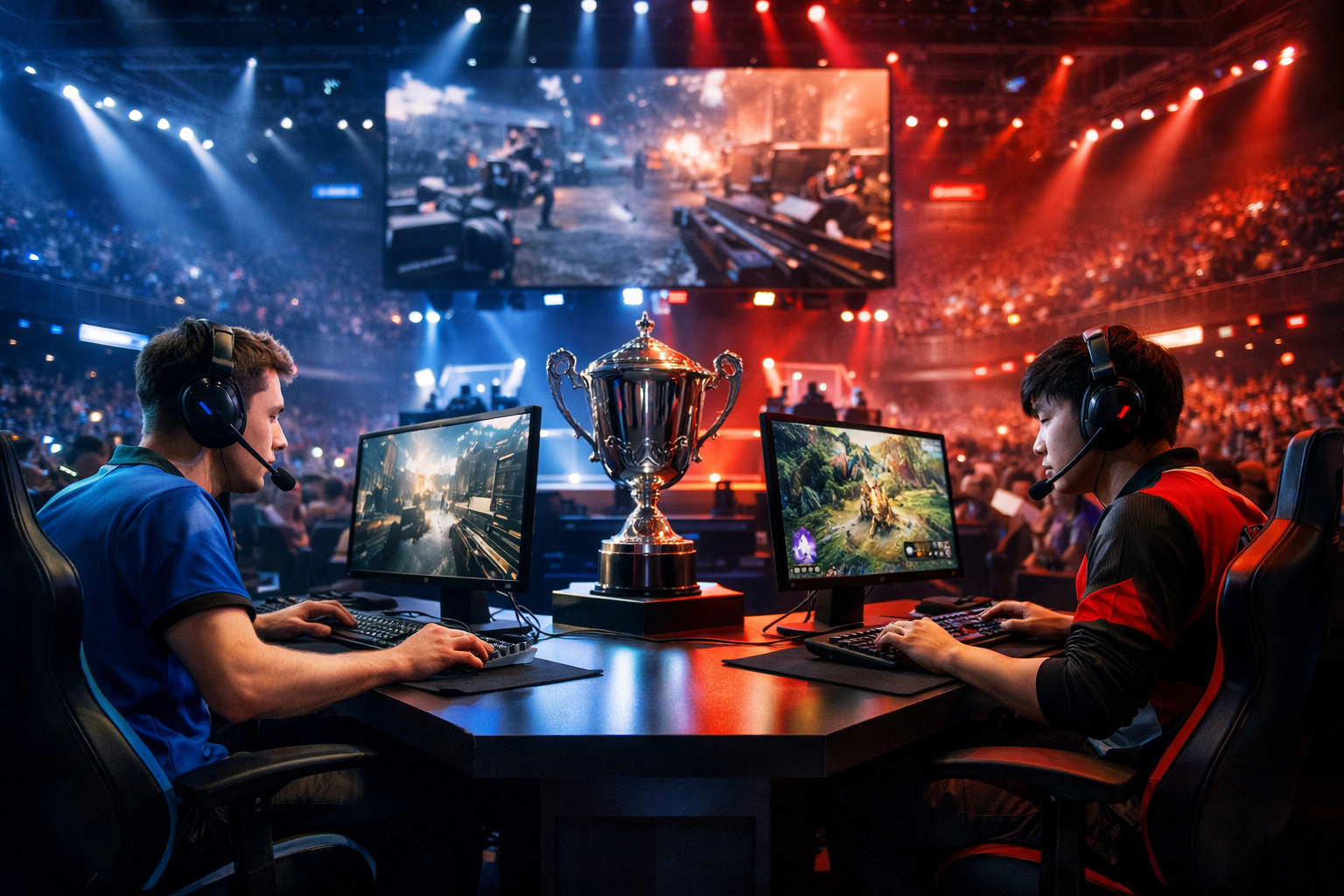
Gaming has transformed dramatically over the past few decades. What began as a pastime centered around arcades, home consoles, and local multiplayer has grown into a connected digital culture with global reach. At the center of this transformation is esports, the competitive side of gaming where skilled players and organized teams face off in tournaments watched by millions of fans around the world.
Esports is more than simply playing video games at a high level. It is a structured industry supported by publishers, tournament organizers, broadcasters, sponsors, coaches, analysts, and communities. Titles such as League of Legends, Counter-Strike, Dota 2, Valorant, and Fortnite have helped define modern competitive gaming, each with its own ecosystem, rules, audiences, and strategic depth.
From Casual Play to Professional Competition
The path from casual gaming to esports was built on accessibility and connectivity. As internet infrastructure improved, online multiplayer became a standard feature rather than a novelty. Players were no longer limited to local opponents; they could test their skills against others across cities, countries, and continents. This broad player base naturally created ranked systems, online ladders, amateur tournaments, and eventually professional circuits.
Streaming platforms accelerated that evolution. Services such as Twitch and YouTube Gaming gave players direct access to audiences, allowing competitive matches, tutorials, and live events to become easily shareable. Fans could follow favorite players in real time, learn advanced techniques, and develop deeper loyalty to teams and personalities. This direct viewer engagement helped esports grow into a spectator experience comparable to traditional sports in terms of excitement and community identity.
Why Esports Appeals to a Global Audience
One of the most important reasons esports has expanded so rapidly is its accessibility. Traditional sports often require specific facilities, equipment, geography, or physical conditions. Competitive gaming, while still demanding resources and practice, is more reachable for many people with a gaming device and internet connection. This lower barrier to entry has encouraged participation from diverse age groups and regions.
Another reason is variety. Esports is not a single game or genre. It includes strategy games, first-person shooters, fighting games, sports simulations, battle royales, and mobile titles. Each genre attracts different types of players and viewers. Some fans enjoy the tactical precision of team shooters, while others prefer the calculated macro decisions of multiplayer online battle arenas or the one-on-one intensity of fighting games.
- Competition: Ranked play and tournaments create clear goals and high-stakes drama.
- Community: Players connect through guilds, clans, forums, social media, and live chat.
- Entertainment: Commentary, highlight reels, and event production make matches engaging to watch.
- Aspiration: Skilled players can pursue streaming, content creation, or professional careers.
The Business Behind Competitive Gaming
Esports has become a serious business with multiple revenue streams. Sponsorships remain one of the largest pillars, with technology companies, energy drink brands, apparel labels, and mainstream advertisers investing in teams and events. Media rights, ticket sales, merchandise, in-game cosmetics, and publisher partnerships also contribute to the ecosystem.
Professional organizations now function much like sports franchises. They recruit talent, develop branding, manage social media, provide performance support, and cultivate fan loyalty. Many teams include not only players but also coaches, strategic analysts, psychologists, fitness staff, and content teams. This reflects how competitive gaming has matured into a demanding, high-performance environment.
Game publishers also play a uniquely powerful role in esports. Unlike traditional sports, where no single company owns the game of football or basketball, publishers control the intellectual property of esports titles. That means they can shape tournament formats, league structures, monetization, and long-term competitive balance. Their decisions have enormous impact on the health and sustainability of each scene.
Skills That Define Elite Players
Top esports competitors are often underestimated by those unfamiliar with gaming. In reality, success requires a combination of technical skill, strategic thinking, teamwork, adaptability, discipline, and emotional control. Reaction time matters, but so do communication, map awareness, decision-making under pressure, and consistency over long sessions of play.
Training for esports can be intense. Professional players spend hours reviewing game footage, practicing mechanics, studying opponents, and refining team coordination. Mental endurance is especially important because a single mistake can shift the outcome of a match. As the industry grows, more teams are focusing on player wellness to reduce burnout and improve long-term performance.
The Importance of Balance and Sustainability
Despite its growth, esports faces real challenges. Player burnout, unstable team finances, inconsistent league models, and short game life cycles can all affect the industry. Young players may enter competition without fully understanding contracts, income volatility, or the need for education and backup career plans. Sustainable growth depends on better support systems, clearer pathways to professionalism, and healthier work-life balance.
There is also increasing discussion around inclusivity and fair play. Harassment, cheating, match-fixing, and toxic behavior can damage communities if not addressed. Organizers, publishers, and players all have a role in promoting professionalism, integrity, and welcoming spaces for newcomers.
The Future of Gaming and Esports
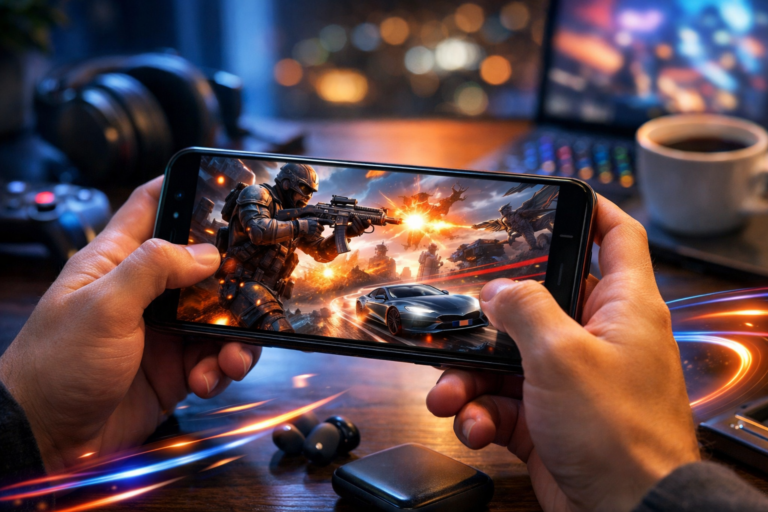
The future of gaming and esports looks dynamic and expansive. Mobile esports continues to grow rapidly, especially in regions where smartphones are more common than high-end PCs or consoles. Cross-platform play is connecting player bases, while improved broadband and cloud gaming may further reduce hardware barriers. Meanwhile, advancements in virtual production, augmented reality, and live event broadcasting are making tournaments more immersive for fans.
Colleges and universities are also contributing to esports through scholarships, competitive programs, and academic initiatives tied to game design, media, and event management. This educational support is helping legitimize the field while creating career opportunities beyond playing, including broadcasting, marketing, coaching, and operations.
Ultimately, gaming and esports represent more than digital competition. They reflect how entertainment, technology, and social interaction are evolving together. For players, esports offers challenge and ambition. For fans, it provides spectacle and community. And for the broader media landscape, it stands as proof that interactive experiences can command the same passion, loyalty, and cultural influence as any traditional form of sport or entertainment.