
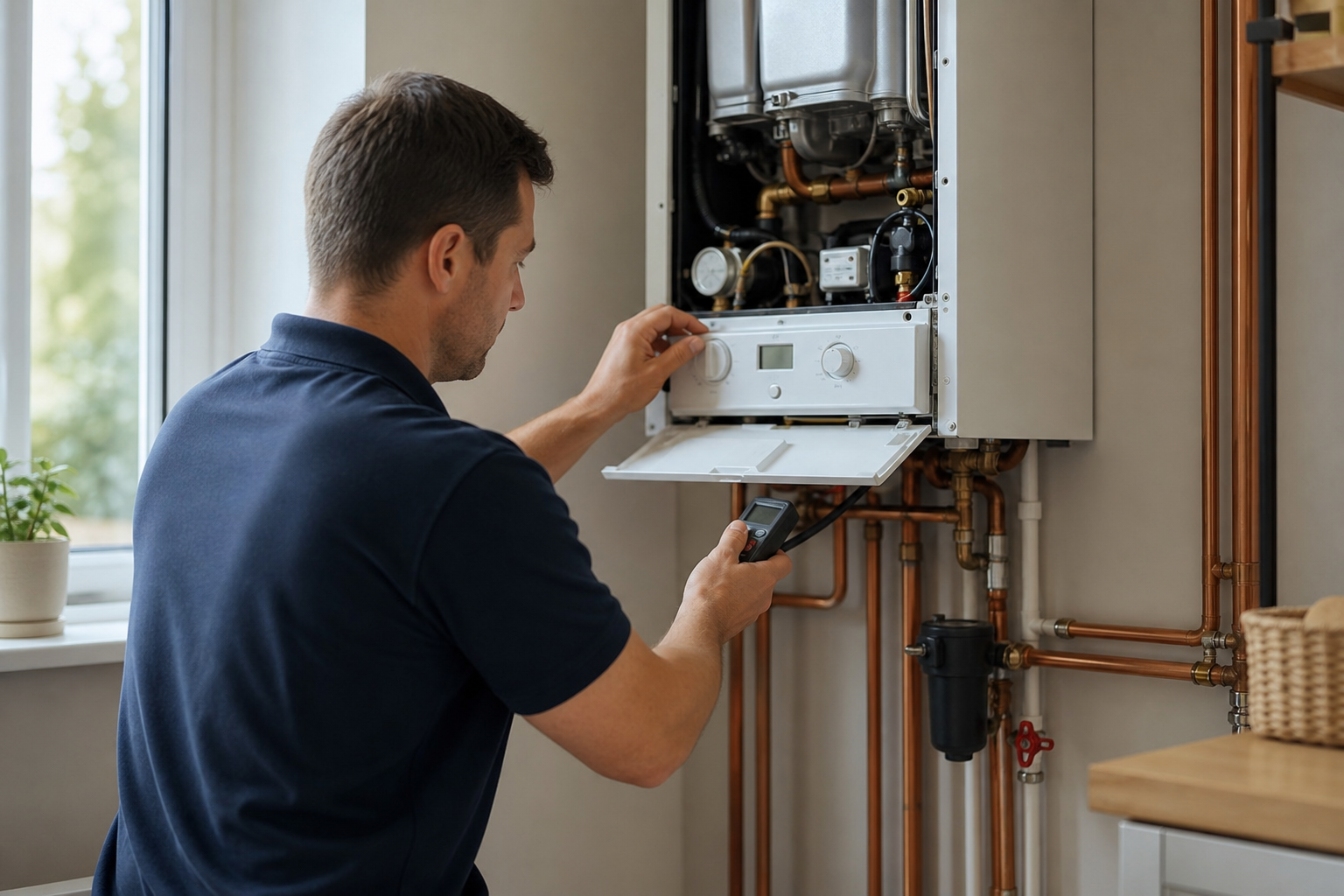
Keeping Your Gas and Central Heating System in Good Working Order
Make Heating Care Part of Regular Home Maintenance
A comfortable home depends on more than the features that are easy to see. Behind walls, beneath floors, and inside utility cupboards, heating equipment works throughout the year to provide hot water and keep rooms warm. Giving gas appliances and central heating systems regular attention can help homeowners maintain dependable performance and identify problems before they become disruptive.
This is particularly important in areas such as Chester, where households rely heavily on their heating during the colder months. Understanding when professional assistance may be appropriate is an important part of responsible property care. A recent feature on gas and central heating services available across Chester provides further insight into the types of professional support available to local homeowners and landlords.
Instead of thinking about the boiler only after the heating stops working, it can be useful to include the entire system in a regular maintenance routine. Servicing, monitoring performance, maintaining controls, and dealing with unusual behaviour promptly can all contribute to a more reliable heating setup.
Why Regular Boiler Servicing Matters
For homes with gas central heating, the boiler is one of the hardest-working appliances in the property. It may operate every day to provide hot water and can run for extended periods during winter. Regular servicing provides an opportunity for a qualified professional to examine the appliance and assess whether it is operating as expected.
A service may also reveal deterioration or developing faults that are not noticeable during normal household use. Addressing an issue at an earlier stage can sometimes prevent it from becoming a larger problem later.
Many homeowners choose to have their boilers serviced before winter. Booking during spring or summer is another practical option because the heating is generally less essential and there may be more time to complete any recommended repair work before cold weather returns.
Before Choosing a Heating Engineer
Consider checking the following:
- Whether the engineer has the appropriate registration and qualifications.
- Whether they are qualified to work on your particular appliance.
- What is included in the quoted service or repair.
- Whether findings and recommendations will be explained clearly.
- Whether appropriate paperwork will be supplied when the work is completed.
Gas appliances require specialist knowledge, so homeowners should avoid attempting repairs simply because a fault appears minor.
Don’t Ignore Small Changes in Performance
A heating problem does not always begin with a complete breakdown. There are often smaller indications that something within the system needs attention.
A radiator might take much longer to warm up than usual, boiler pressure might repeatedly decrease, or hot water may become inconsistent. These symptoms do not necessarily mean the boiler needs replacing, but repeated or unexplained changes are worth investigating.
Warning Signs Around the Home
Some issues to watch for include:
- Radiators that remain partially or completely cold.
- Boiler pressure that frequently drops.
- Hot water becoming unreliable.
- Heating turning itself off unexpectedly.
- Unusual noises from the boiler, pipes, or radiators.
- Water around valves, pipes, or heating equipment.
- Visible corrosion on accessible components.
- Increased energy consumption without an obvious explanation.
- Unusual behaviour from a pilot light or visible flame on applicable appliances.
Persistent symptoms should not simply be treated by repeatedly resetting the boiler. Finding out why a problem is occurring is more useful than temporarily restoring operation without addressing its cause.
Leave Gas Work to Qualified Professionals
There are plenty of household maintenance jobs that an experienced homeowner can safely tackle independently. Gas appliance repair is not one of them.
Removing boiler covers, altering gas pipework, or attempting to repair internal gas components without the appropriate qualifications can create serious risks. Work involving gas should therefore be carried out by a suitably registered professional.
Homeowners should also make sure that carbon monoxide alarms are installed where required or recommended and are tested according to the manufacturer’s instructions.
A suspected gas leak or activated carbon monoxide alarm requires immediate attention rather than a routine maintenance appointment. Occupants should follow official emergency guidance and contact the appropriate emergency or gas network service.
Check More Than Just the Boiler
Even a well-maintained boiler cannot heat a property efficiently if much of the warmth is being lost elsewhere. It is therefore useful to consider the central heating system alongside insulation and the overall condition of the home.
Poorly sealed windows, draughts around exterior doors, inadequate loft insulation, and exposed heating pipes can all contribute to heat loss. Addressing appropriate areas may make rooms more comfortable and reduce the amount of work required from the heating system.
Furniture placement can make a difference as well. Large sofas, cabinets, or curtains positioned immediately in front of radiators can restrict the movement of warm air through a room.
Give Radiators Some Attention
Radiators can provide useful clues about the condition of a central heating system.
A radiator that is cold at the top may contain trapped air and could need bleeding. Uneven heating throughout a property, however, can have several possible causes.
If radiators regularly need bleeding, specific rooms repeatedly remain cold, or boiler pressure consistently falls afterwards, professional investigation may be preferable to repeatedly treating the visible symptom.
Make Better Use of Your Heating Controls
Heating controls influence both household comfort and the amount of energy used. A system that is programmed around the occupants’ actual routine can avoid heating the property unnecessarily while still providing warmth when it is needed.
Depending on the heating installation, useful controls can include:
- Programmable thermostats.
- Heating timers.
- Thermostatic radiator valves.
- Smart thermostats.
- Separate heating zones.
Settings should not necessarily remain unchanged indefinitely. Working hours, family routines, room usage, and occupancy patterns can all change over time.
Reviewing heating schedules occasionally allows homeowners to make sure the system still reflects how the property is being used.
Follow a Simple Seasonal Routine
Heating maintenance can be easier when tasks are spread throughout the year instead of being left until winter.
Spring
After the period of heaviest heating use, inspect accessible radiators, valves, and pipes for leaks or other visible changes. Any recurring problems noticed during winter can also be investigated.
Summer
Consider arranging boiler servicing while the heating system is less critical. This can also be a convenient time for insulation improvements or heating repairs.
Autumn
Run the heating before temperatures fall significantly. Check that radiators heat properly and that the boiler operates without unexpected noises or interruptions.
Test carbon monoxide alarms and review heating schedules before the system returns to regular use.
Winter
Pay attention to changes in boiler pressure, room temperatures, hot-water reliability, and unusual noises. Problems that repeatedly return should be assessed rather than ignored until spring.
Keep Useful Heating Records
Maintaining basic records can make future servicing and repairs considerably easier.
Keep boiler service documents, appliance warranties, installation records, invoices, and details of previous repairs together. This information can help an engineer understand the history of the system and may also be useful when selling or renting the property.
For landlords, maintaining appropriate gas safety documentation is particularly important because additional legal responsibilities apply to rented homes.
Know When Professional Advice Is Appropriate
Not every change in heating performance indicates a major fault, but recurring problems deserve attention. Professional assessment can help determine whether a system requires a straightforward adjustment, replacement component, repair, or more extensive work.
Homeowners and landlords seeking assistance with gas appliances, boilers, central heating, or related heating work in the Chester area can learn more about the services available from Daley Gas Group.
Looking after a heating system does not need to involve constant intervention. A sensible combination of routine servicing, homeowner observations, efficient controls, and timely professional assistance can go a long way toward keeping a property warm and dependable.
By making heating maintenance part of normal property care rather than something reserved for emergencies, households can be better prepared for colder weather and less likely to be caught off guard by avoidable problems.