Ready When It Matters: A Practical Guide to Emergency Preparedness for Safer Homes and Communities
Why Emergency Preparedness Matters
Emergency preparedness is a core part of personal security, household safety, and community resilience. Disasters and emergencies can happen with little warning, including fires, severe storms, power outages, floods, earthquakes, hazardous material incidents, public health events, or security threats. In these moments, confusion and delay can increase danger. Preparation gives people a practical advantage: it helps them respond quickly, protect vulnerable family members, and make better decisions under stress.
Preparedness is not about fear. It is about reducing uncertainty. When households and organizations take time to create plans, store essential supplies, and understand local risks, they are better positioned to stay safe and recover more efficiently. Even simple actions, such as knowing evacuation routes or keeping emergency contacts current, can have a major impact.
Start with Risk Awareness
Effective preparedness begins with understanding the hazards most likely to affect your area. Coastal communities may prioritize hurricanes and flooding, while other regions may face wildfires, winter storms, tornadoes, or infrastructure disruptions. Security-related emergencies, such as civil unrest or shelter-in-place situations, may also require planning.
Assess risks at three levels: your region, your home or workplace, and your personal circumstances. Consider whether anyone in your household has medical needs, mobility limitations, dietary restrictions, or communication challenges. Also think about pets, children, older adults, and anyone who may need extra assistance during an evacuation or extended disruption.
Questions to Ask During a Risk Assessment
- What natural or human-caused emergencies are most common in my area?
- How would we receive warnings if phone service or power failed?
- What hazards exist in or near the home, such as gas lines, large trees, or flood-prone areas?
- Who in the household needs specialized medication, equipment, or support?
- Where would we go if we had to evacuate immediately?
Create a Family Emergency Plan
An emergency plan turns good intentions into clear actions. Every household should know what to do, where to go, and how to communicate if separated. Plans should be simple, written down, and easy to review. Children should understand the basics, and all adults should know their roles.
Key Elements of a Strong Plan
- Emergency contacts: Keep a list of family members, neighbors, schools, doctors, and an out-of-area contact who can help coordinate communication.
- Meeting places: Choose one location near home and another outside the neighborhood in case local access is blocked.
- Evacuation routes: Identify multiple routes and know where official shelters may be located.
- Shelter-in-place procedures: Know how to stay indoors safely during severe weather, smoke events, or chemical incidents.
- Utility shutoff knowledge: Learn how to turn off gas, water, and electricity if instructed by authorities.
- Special needs planning: Include medications, assistive devices, infant supplies, pet carriers, and backup power for medical devices when possible.
It is wise to keep printed copies of the plan in case digital devices are unavailable. Share the plan with trusted relatives or friends, and update it whenever phone numbers, schools, jobs, or health needs change.
Build an Emergency Supply Kit
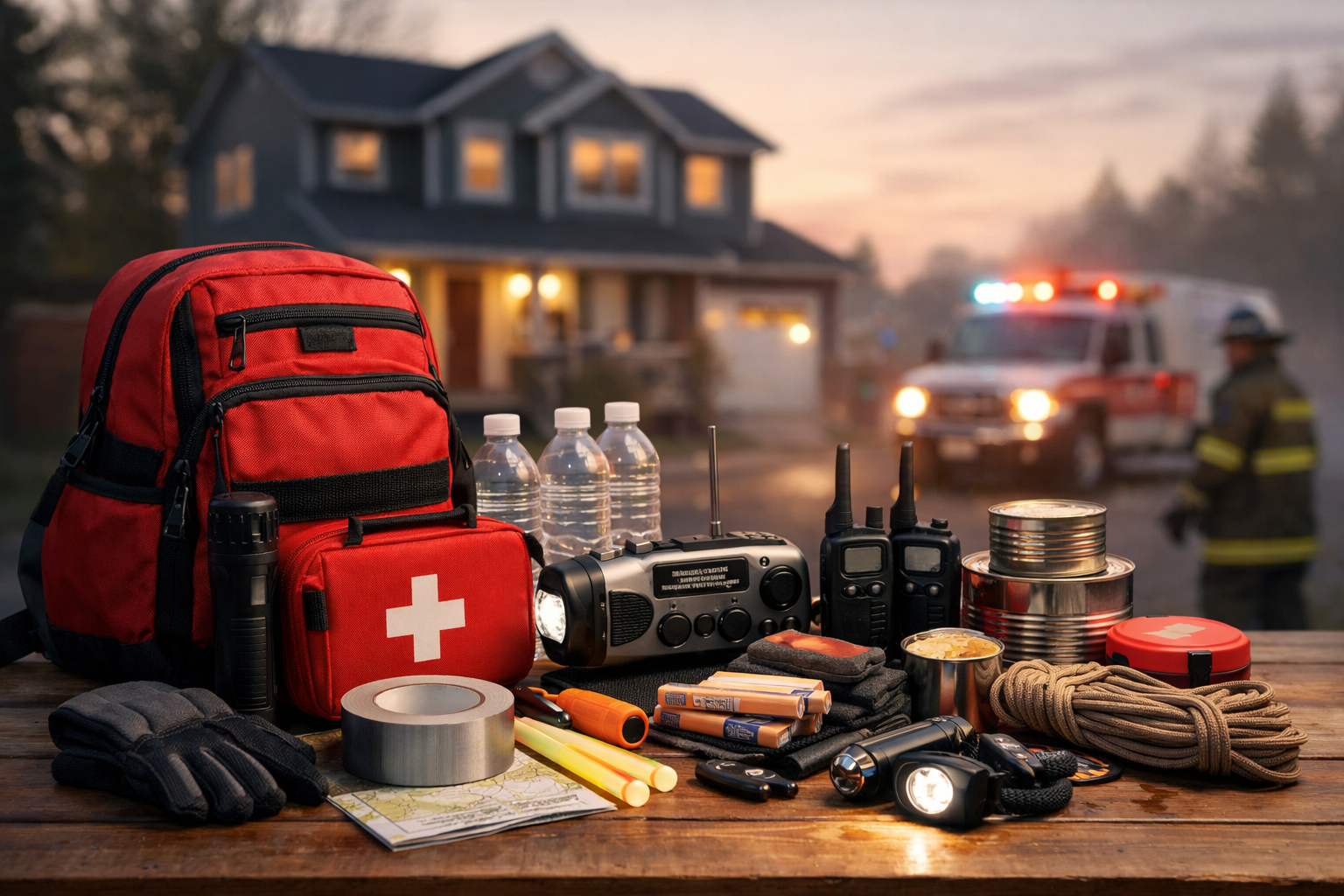
Supplies support safety during the first hours or days of an emergency. A well-stocked emergency kit should help your household manage without immediate outside assistance. Experts often recommend preparing for at least 72 hours, though longer disruptions are possible.
Basic Emergency Kit Essentials
- Water and nonperishable food
- Flashlights and extra batteries
- First-aid kit and essential medications
- Phone chargers and backup battery packs
- Battery-powered or hand-crank radio
- Important documents in a waterproof container
- Cash in small bills
- Blankets, sturdy clothing, and hygiene items
- Whistle, multipurpose tool, and work gloves
- Pet food, leashes, and veterinary records if applicable
Consider creating separate kits for home, car, and workplace. A smaller “go bag” can be especially useful if evacuation is necessary. Rotate food, batteries, and medications regularly to keep supplies fresh and functional.
Strengthen Home Safety Before an Emergency
Preparedness also involves prevention. The safer and more secure your living environment is before a crisis, the lower the risk of injury or property damage. Routine maintenance and safety upgrades can significantly improve resilience.
Practical Home Preparedness Steps
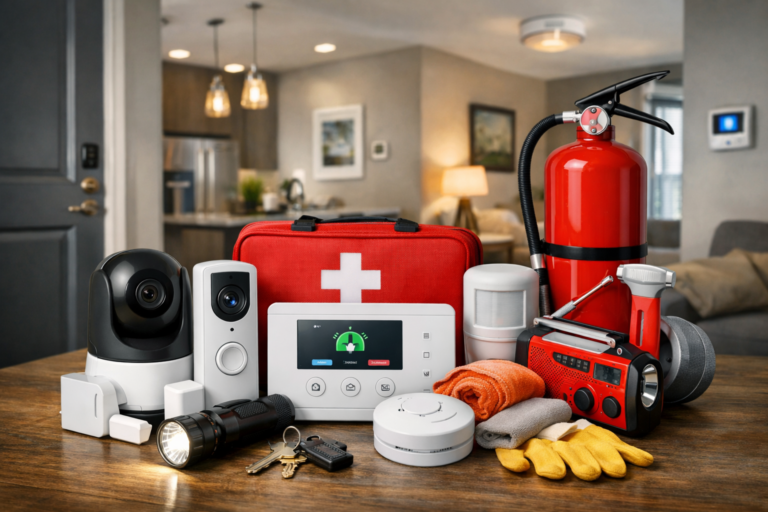
- Install and test smoke alarms and carbon monoxide detectors.
- Keep fire extinguishers accessible and learn how to use them.
- Secure heavy furniture, water heaters, and large appliances.
- Trim trees and clear debris that could become hazards in storms.
- Review home insurance coverage and document valuables.
- Store hazardous materials properly and out of children’s reach.
- Know where flashlights, first-aid items, and shutoff valves are located.
If you live in an area prone to specific threats, add targeted measures such as storm shutters, flood barriers, seismic retrofits, or wildfire defensible space. Small upgrades completed in advance are usually far easier and less costly than emergency repairs after a disaster.
Communication Is Critical
During emergencies, communication systems may become overloaded or disrupted. A strong communication strategy can help reduce panic and keep everyone aligned. Text messaging often works when calls do not, and out-of-area contacts can help relay information if local lines are congested.
Sign up for local emergency alerts, weather notifications, and community warning systems. Schools, employers, and local governments often provide emergency messaging platforms. It is also helpful to agree on communication priorities, such as sending a quick “I am safe” message before attempting longer conversations.
Practice, Review, and Improve
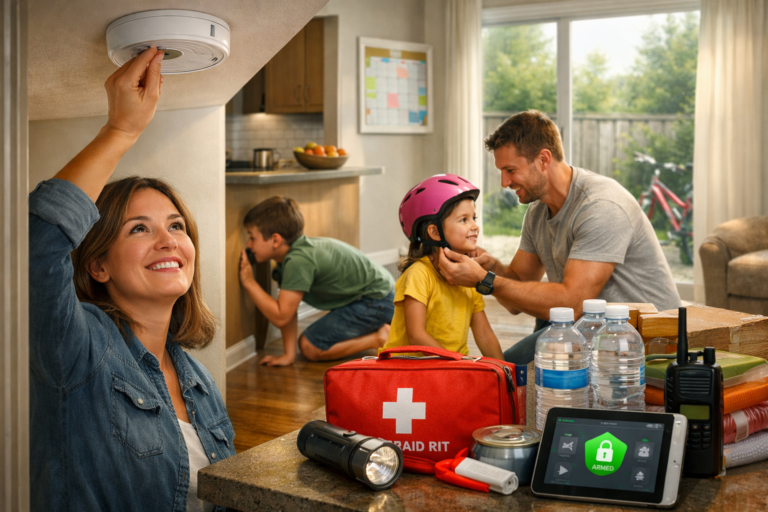
A plan that is never practiced may fail when it is needed most. Regular drills make emergency actions more familiar and expose gaps before a real event occurs. Practice evacuation, shelter-in-place procedures, and family check-ins. Review how to use a fire extinguisher, where supplies are stored, and how to access important information.
Preparedness should be reviewed at least once or twice a year. Replace expired items, update contact lists, and adjust plans for seasonal risks. Involving children in age-appropriate ways can make drills less intimidating and more effective.
Community Preparedness Builds Resilience
Emergency preparedness is strongest when it extends beyond the household. Neighbors, schools, workplaces, faith groups, and local organizations all play a role in creating safer communities. Knowing who may need assistance nearby, sharing information, and participating in training programs can improve collective response.
Community resilience grows when people understand local resources, volunteer opportunities, and emergency procedures. Even simple coordination, such as checking on older neighbors during heat waves or storms, can save lives and reduce isolation.
Conclusion
Emergency preparedness is a practical investment in safety, security, and peace of mind. It does not require perfection or expensive gear. What matters most is taking consistent, thoughtful steps: understand your risks, make a plan, gather supplies, strengthen your home, and practice your response. When emergencies happen, preparation helps transform uncertainty into action and protects what matters most.